Maximum Temperature Summer 37 degree C

Red Plumeria/Frangipani flower/champa Plant
- 🌸 Vibrant deep red Plumeria/Frangipani blooms — large, velvety red flowers with intense tropical fragrance; rare and striking colour
- ☀️ Full sun required — at least 6–8 hours of direct sunlight for prolific flowering
- 💧 Moderate watering — water deeply once a week; drought-tolerant; excellent drainage essential
- 🌡️ Thrives in tropical to subtropical climates (10°C to 45°C); perfect for most of India
- 📐 Compact to medium tree 1–5 m tall — dramatic red floral display through the warm season
- 🏆 The most dramatic Plumeria colour — deep red is rarer and more striking than pink or white varieties
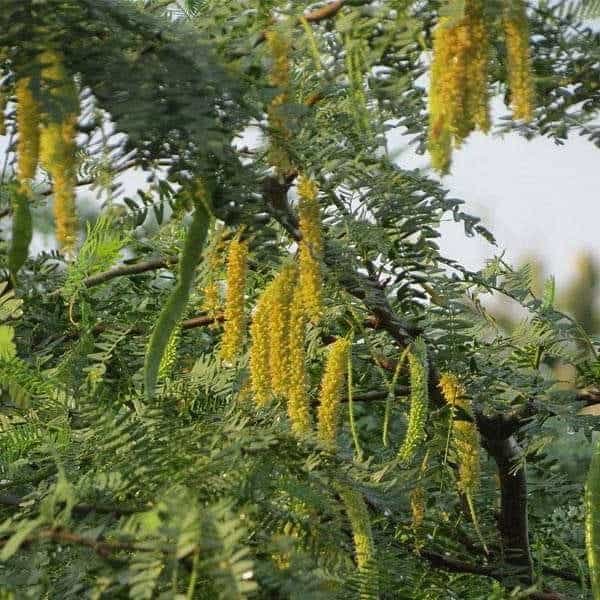
Red sandalwood (Pterocarpus santalinus)
- 🌳 Native red-heartwood tree of the Eastern Ghats — reaches 5–8 m in cultivation
- ☀️ Full sun all day; it will not develop properly in shade
- 💧 Water weekly while young, then almost never — very drought hardy once established
- 🌡️ Temperature Tolerance: 7°C – 46°C (grows best where the mean annual temperature is 26–32°C; killed below 0°C)
- 📐 Needs no host plant, unlike white sandalwood — and fixes its own nitrogen
- 🏆 Thrives in poor, gravelly soil where most trees fail
Rose White Grafted
- 🤍 Large high-centred white blooms 8–12 cm across, one to a long straight stem
- ☀️ At least 6 hours of direct morning sun; light afternoon shade helps in hot regions
- 💧 Deep watering every 2–3 days — water the soil, never the leaves
- 🌡️ Temperature Tolerance: blooms best at 22–26°C; flowers get fewer and smaller above 30°C, and winter hardiness depends on the cultivar
- 📐 Grafted onto vigorous rootstock — stronger stems and better disease resistance
- 🏆 Repeat flushes every 6–8 weeks, heaviest from November to March
Rosemary (Salvia Rosmarinus)
Rosemary (Salvia rosmarinus) is a fragrant herb that has many practical uses and medicinal benefits. In botanical medicine, rosemary has been used to reduce inflammation, boost mental focus, and help lower stress. In the garden, growing rosemary can help to keep away deer and rodents. In the kitchen, rosemary is well known for lending a warm, bitter flavor and aroma to a wide variety of foods.
Rosemary contains antioxidants, antibacterial and anti-inflammatory compounds that are thought to help boost the immune system and improve circulation. Among the nutrients found in rosemary are vitamins A, C, B6, iron, and calcium.
When used medicinally, dried rosemary leaves can be made into powder for use in capsules or tea. Rosemary can also be extracted to create an essential oil or a liquid extract (tincture). Some of the many uses of rosemary for health enhancement include:
- Aromatherapy with rosemary essential oil is useful for enhancing mood, memory, and focus.
- Essential oil of rosemary is useful to stimulate the scalp to help reduce dandruff. *(Not the same as rosemary-infused cooking oil).
- Rosemary in both tea and capsule form have been used to alleviate digestive distress such as heartburn, gas, and constipation.
- Tinctures prepared with rosemary have been used to combat bacterial infections, including staph infections. In lab analysis, the antioxidants in rosemary have been shown to protect cells from damage that is caused by free radicals (the byproducts of molecular processes in the body that are linked to many chronic illnesses).
Saucer Magnolia – Tulip Tree: Stunning Flowering Tree for Gardens and Landscapes
- 🌸 Spectacular goblet-shaped blooms in rose-pink outside and pure white inside — an iconic spring-flowering tree, blooms before leaves emerge
- ☀️ Full sun to partial shade — needs at least 5–6 hours of direct sunlight for best flowering
- 💧 Water deeply once every 5–7 days; reduce in winter dormancy; never waterlog
- 🏡 Perfect for garden lawns, driveways, bungalow landscapes & cool-climate specimen planting
- 🌡️ Best for cool-to-mild Indian climate (5–30°C); ideal for Shimla, Nainital, Ooty, Srinagar & similar
- 📏 Grows 4–8 m tall; spreads wide — a grand, statement flowering tree
- 📦 1 healthy Saucer Magnolia sapling in nursery pot