

Variegated foliage plants


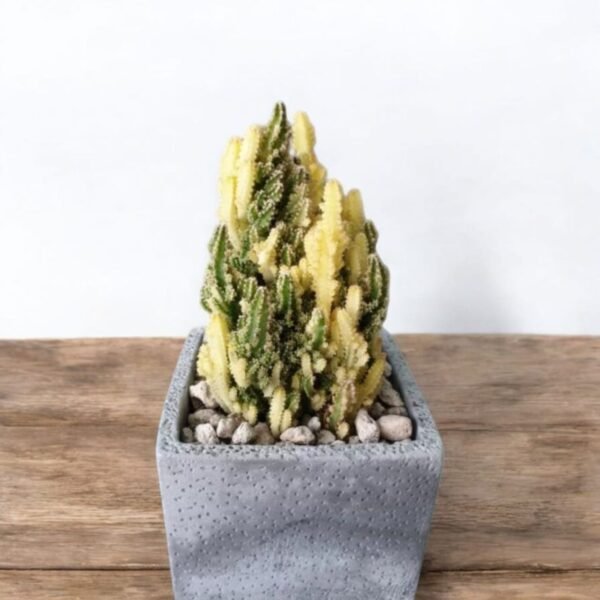

Buy Variegated Plants Online in India
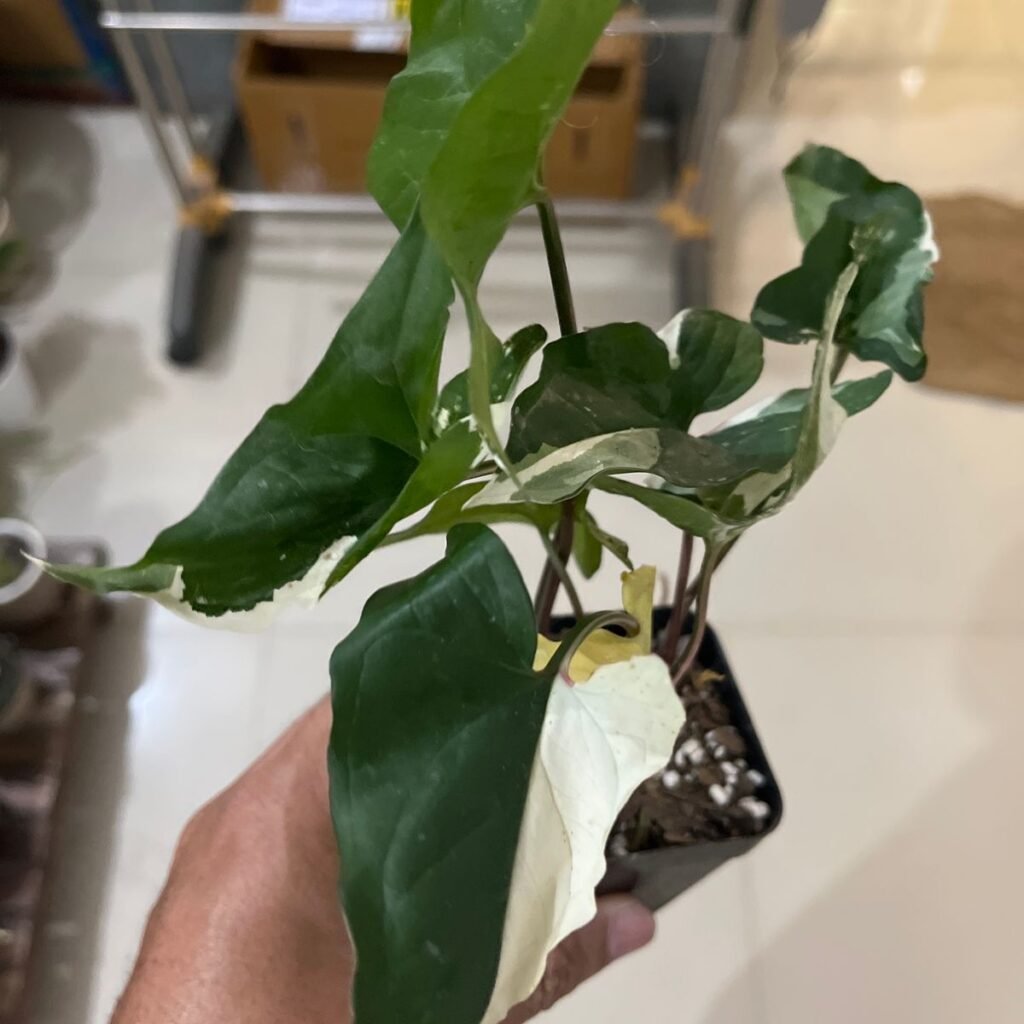
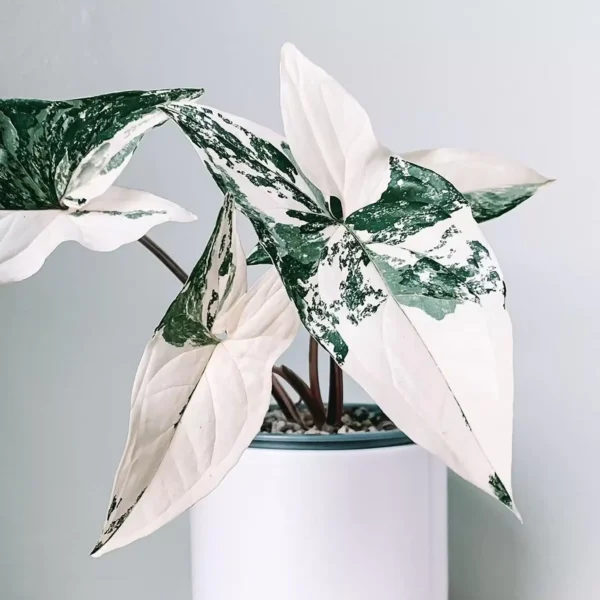
Variegated plants have leaves marked with white, cream, yellow, pink or red patches. The range here includes variegated Monstera, ficus, philodendron, syngonium, aglaonema, croton and more. Variegation looks striking but needs a little more care than all-green plants. What is in stock changes, so the products above show what we have today.
Variegated Plant Care at a Glance
| Need | What most variegated plants want |
|---|---|
| Light | Bright, indirect light. The white and cream areas have less chlorophyll, so in low light the pattern fades and the plant turns greener. |
| Sun | Avoid harsh direct sun. The pale parts of the leaf scorch easily. |
| Water | Water when the top 2 to 3 cm of soil is dry. Do not let the soil stay wet. |
| Growth | Variegated plants usually grow more slowly than all-green ones, because the pale areas make less food. |
| Propagation | Take cuttings from stems with well-variegated leaves. The pattern cannot be guaranteed in every new plant. |
| Pets | Many variegated aroids, such as Monstera, philodendron, syngonium and epipremnum, are toxic to cats and dogs if chewed. |
Variegated Plant FAQs
Why is my variegated plant turning green?
Usually too little light. Move it to a brighter spot with indirect light, and prune stems that grow fully green so they do not take over.
Why are the white parts of the leaves turning brown?
The pale areas are delicate. Brown patches usually come from sunburn, dry air or overwatering.
Do variegated plants need more light than green ones?
They do better in brighter, indirect light, because the pale areas cannot make food. Avoid harsh direct sun.
Why do variegated plants grow slowly?
The white and cream areas contain little or no chlorophyll, so the plant makes less food and grows more slowly.
Are variegated plants safe for pets?
Many of them, including Monstera, philodendron and syngonium, are toxic to cats and dogs if chewed. Keep them out of reach.
What Customers Say About Our Variegated Foliage Plants

 Verified owner
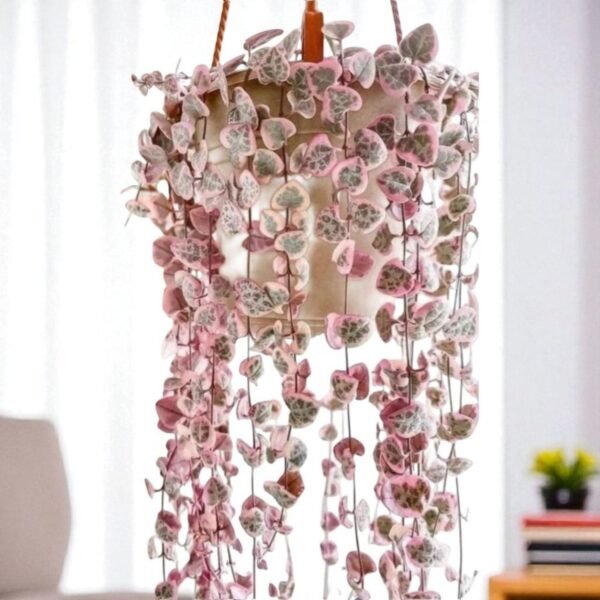
Received healthy plants very well packed and very good customer service. Will surely come back for more.. 5⭐️
 Verified owner
 Verified review - view original
 Verified owner
Problem with packing of monstera as 75 percent of soil was displaced. Otherwise okay.
Verified review - view original

 Verified owner

 Verified owner
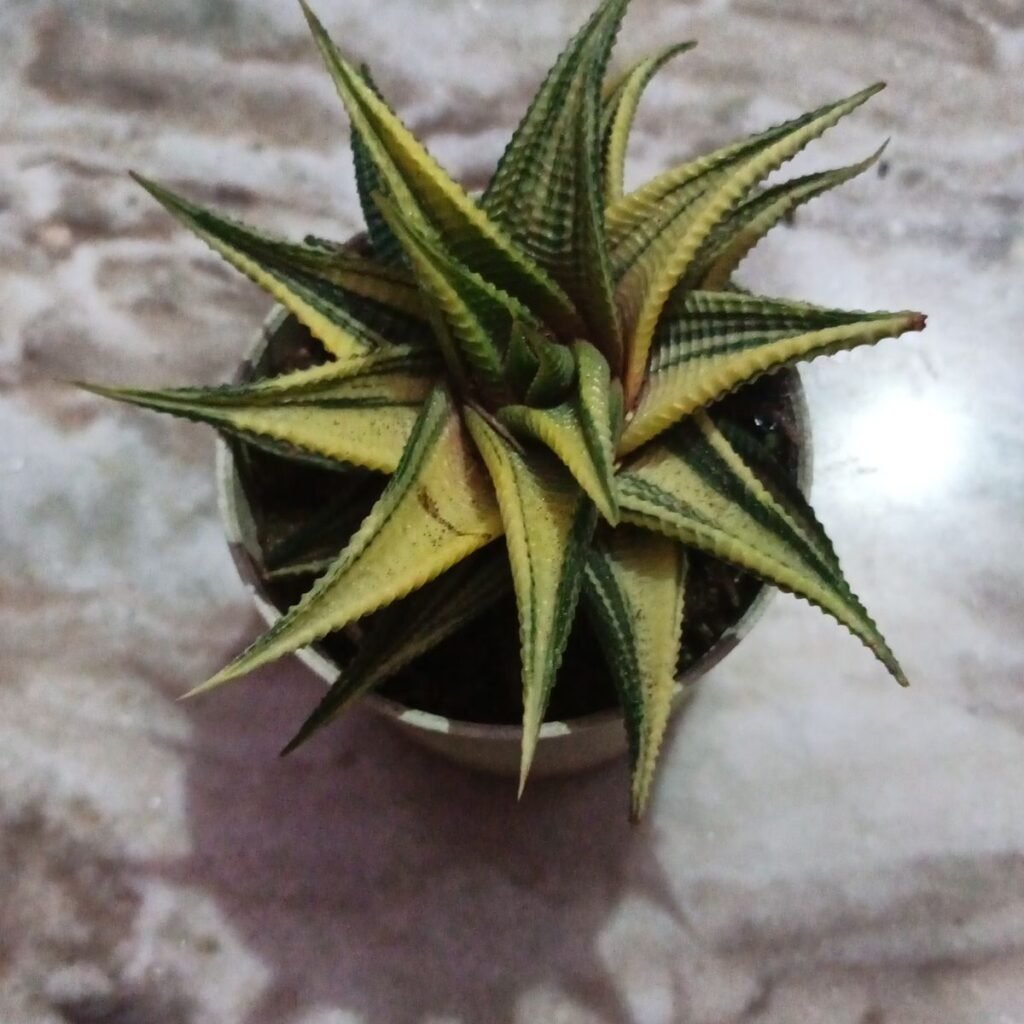
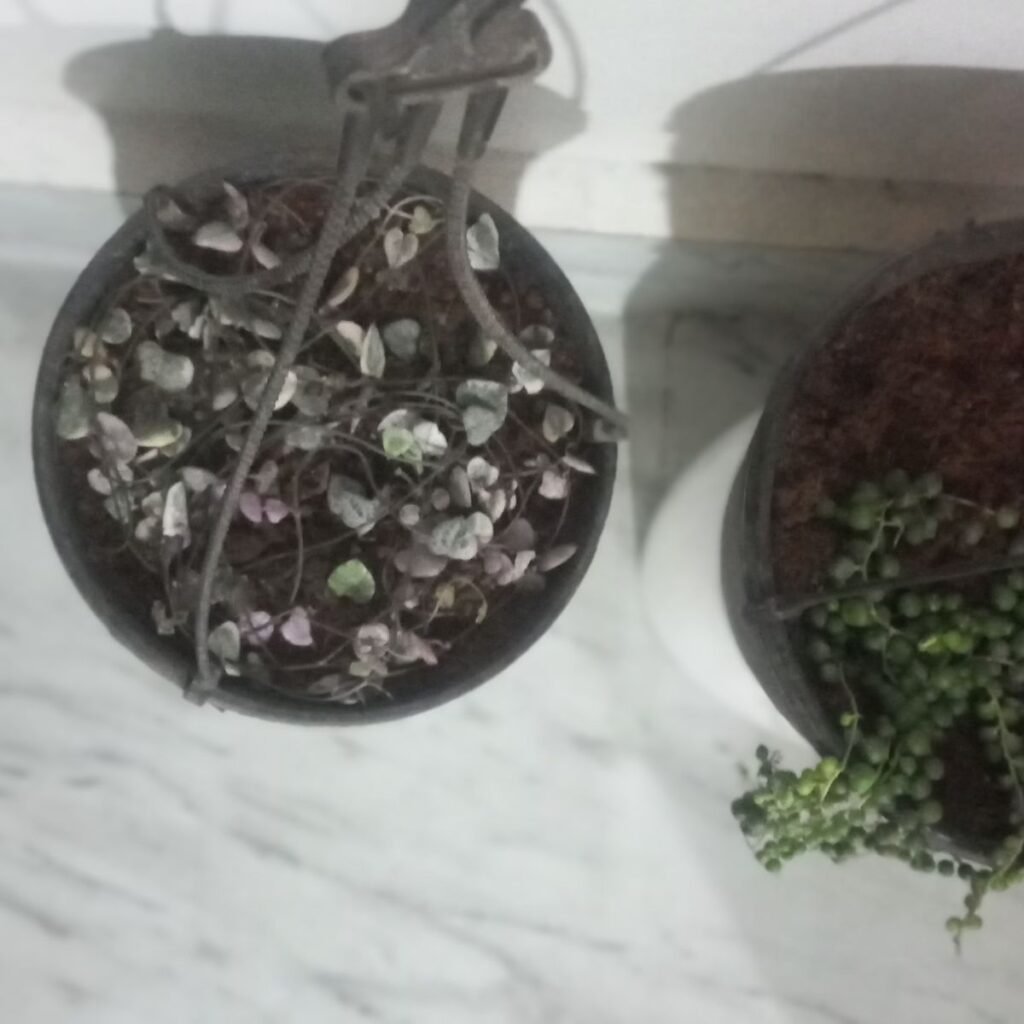
Very healthy and Big amount of bunch of plant received. Very genuine online saler. Must to Belive on Plantshub
Verified review - view original

 PEBBLES
 PLANTS GROWTH
 Planting Materials