










Maximum Temperature Summer 28 degree C



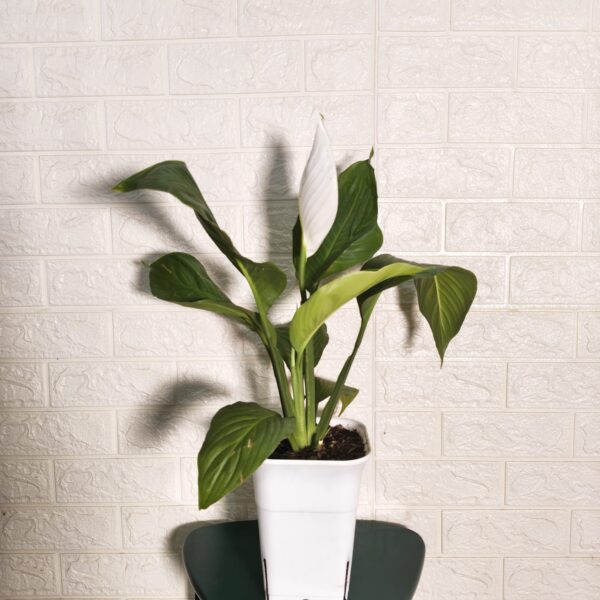
Peace Lily Thai
🌿 Compact Thai Peace Lily with glossy deep-green foliage & pure white spathes
☀️ Bright, indirect light — tolerates lower light beautifully
💧 Water when top 2 cm of soil feels dry (about every 4–6 days)
🏠 Outstanding indoor air-purifier — bedrooms, offices & bathrooms
🌡️ Loves warm, humid Indian climate (18–30°C)
📏 Stays compact — 30–45 cm tall when mature
📦 1 healthy Peace Lily Thai in a 4-inch nursery pot



Pilosocereus Blue Hairy Cactus – Unique and Eye-Catching Addition to Your Plant Collection


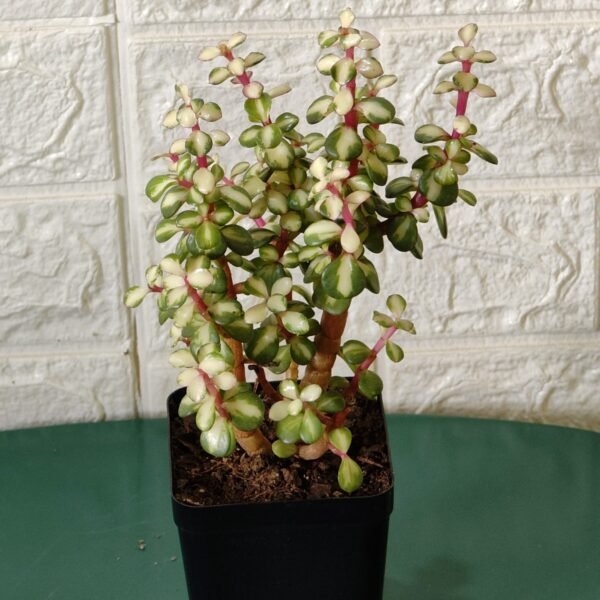


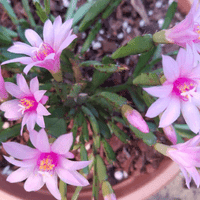

Rose White Grafted
- 🤍 Large high-centred white blooms 8–12 cm across, one to a long straight stem
- ☀️ At least 6 hours of direct morning sun; light afternoon shade helps in hot regions
- 💧 Deep watering every 2–3 days — water the soil, never the leaves
- 🌡️ Temperature Tolerance: blooms best at 22–26°C; flowers get fewer and smaller above 30°C, and winter hardiness depends on the cultivar
- 📐 Grafted onto vigorous rootstock — stronger stems and better disease resistance
- 🏆 Repeat flushes every 6–8 weeks, heaviest from November to March

Rosemary (Salvia Rosmarinus)
Rosemary (Salvia rosmarinus) is a fragrant herb that has many practical uses and medicinal benefits. In botanical medicine, rosemary has been used to reduce inflammation, boost mental focus, and help lower stress. In the garden, growing rosemary can help to keep away deer and rodents. In the kitchen, rosemary is well known for lending a warm, bitter flavor and aroma to a wide variety of foods.
Rosemary contains antioxidants, antibacterial and anti-inflammatory compounds that are thought to help boost the immune system and improve circulation. Among the nutrients found in rosemary are vitamins A, C, B6, iron, and calcium.
When used medicinally, dried rosemary leaves can be made into powder for use in capsules or tea. Rosemary can also be extracted to create an essential oil or a liquid extract (tincture). Some of the many uses of rosemary for health enhancement include:
- Aromatherapy with rosemary essential oil is useful for enhancing mood, memory, and focus.
- Essential oil of rosemary is useful to stimulate the scalp to help reduce dandruff. *(Not the same as rosemary-infused cooking oil).
- Rosemary in both tea and capsule form have been used to alleviate digestive distress such as heartburn, gas, and constipation.
- Tinctures prepared with rosemary have been used to combat bacterial infections, including staph infections. In lab analysis, the antioxidants in rosemary have been shown to protect cells from damage that is caused by free radicals (the byproducts of molecular processes in the body that are linked to many chronic illnesses).