
















━━━━━━━━━━━━━━━━━━━━━━━━━━━━━━━━━━━━━
🎁 GIFTING BADGE
━━━━━━━━━━━━━━━━━━━━━━━━━━━━━━━━━━━━━
🎁 Perfect Gift For:
✔ Housewarming ✔ Birthday
✔ Anniversary ✔ Garden Lovers
✔ Get Well Soon ✔ Festival Gift
━━━━━━━━━━━━━━━━━━━━━━━━━━━━━━━━━━━━━
About This Plant
━━━━━━━━━━━━━━━━━━━━━━━━━━━━━━━━━━━━━
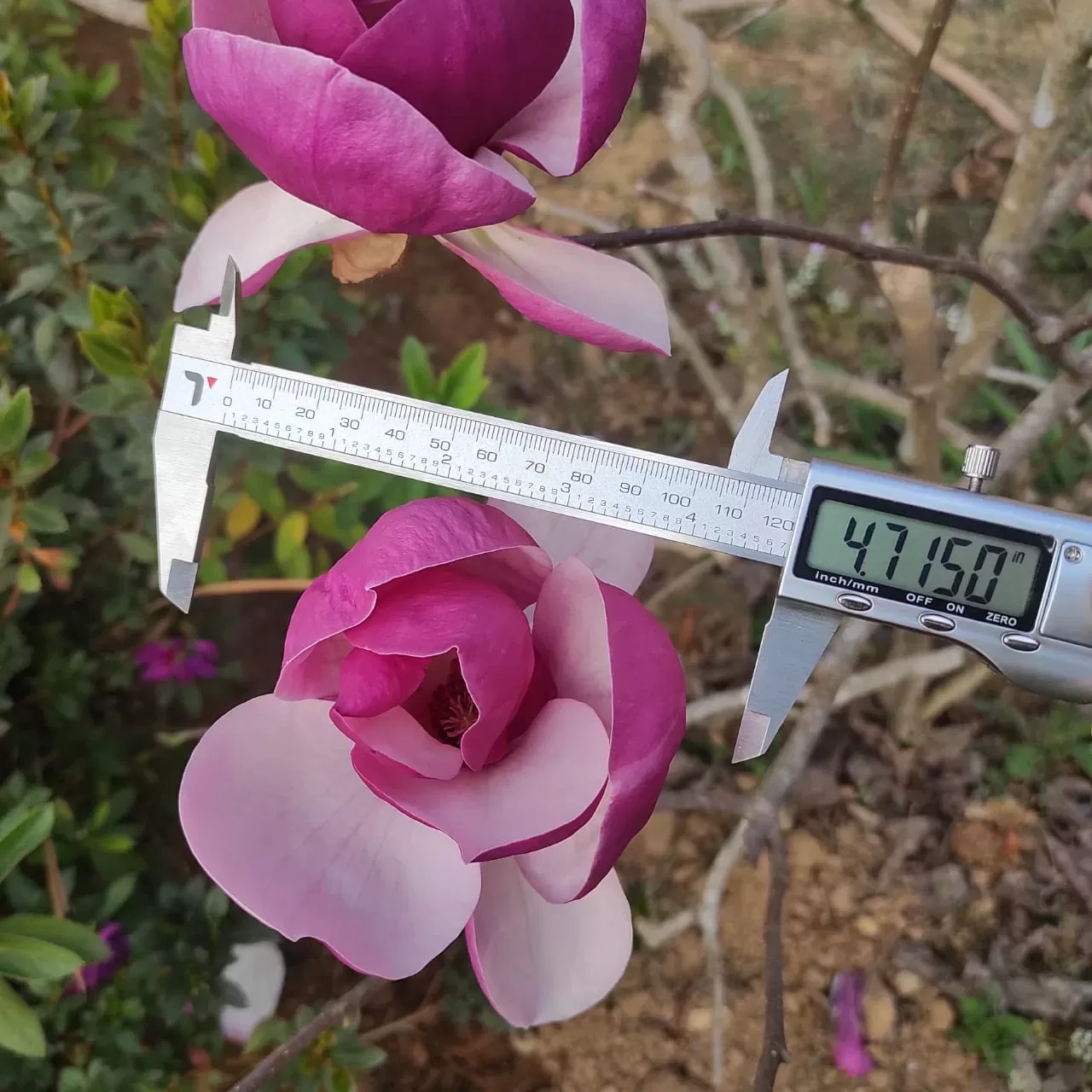
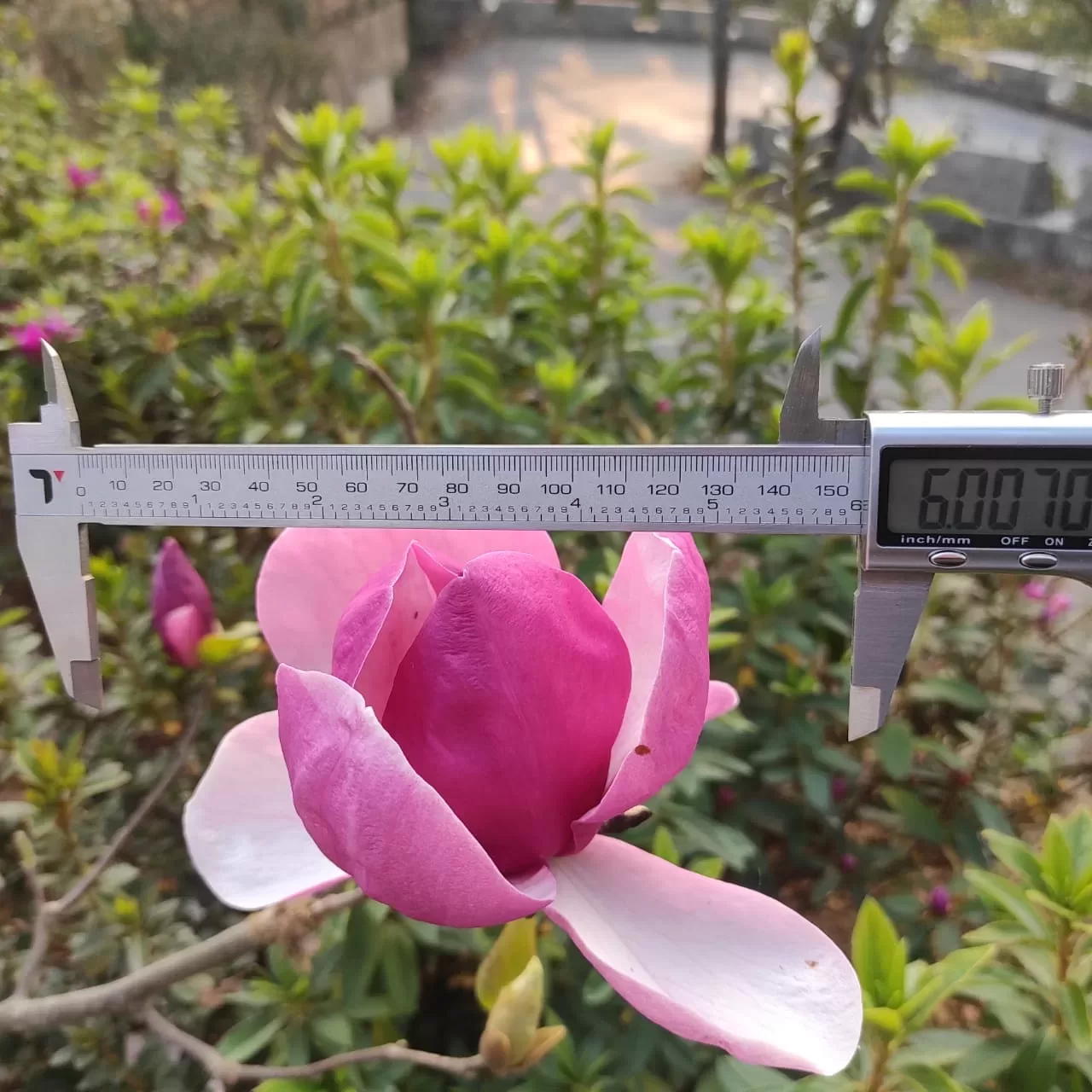
Magnolia × soulangeana, commonly known as the Saucer Magnolia or Tulip Tree, is one of the most magnificent and widely celebrated flowering trees in the world — a medium to large deciduous tree that erupts into an extraordinary display of enormous goblet-shaped flowers in late winter and early spring, before a single leaf appears. Each bloom is a dramatic two-tone masterpiece: deep rose-pink to purple-rose on the outside and pure, satiny white on the inside, held upright on bare branches like hundreds of candles. The effect when the tree is in full bloom is simply breathtaking — one of nature’s most theatrical displays. A hybrid between Magnolia liliiflora and Magnolia denudata, the Saucer Magnolia was first raised in France in the early 19th century and has since become one of the most planted ornamental flowering trees in temperate gardens worldwide. In India, it thrives in the cool highlands of Himachal Pradesh, Uttarakhand, Jammu & Kashmir, and the Nilgiri and Kodaikanal hills — one of the most spectacular and dramatic specimen trees for India’s mountain gardens, hill-station bungalows, and heritage landscapes.
━━━━━━━━━━━━━━━━━━━━━━━━━━━━━━━━━━━━━
✨ Key Benefits
━━━━━━━━━━━━━━━━━━━━━━━━━━━━━━━━━━━━━
- 🌸 Spectacular goblet-shaped bicolour blooms — deep rose-pink outside, pure white inside — on bare branches in early spring
- 🌳 Grows into a magnificent medium tree (4–8 m) — a true statement specimen for any cool-climate garden
- 🍂 Deciduous beauty — dramatic bare-branch spring bloom followed by lush green summer foliage
- 🌺 One of the most celebrated and widely planted ornamental flowering trees in the temperate world
- ✅ Long-lived and low-maintenance once established in the right cool climate
━━━━━━━━━━━━━━━━━━━━━━━━━━━━━━━━━━━━━
🌿 Care Instructions
━━━━━━━━━━━━━━━━━━━━━━━━━━━━━━━━━━━━━
☀️ Sunlight: Full sun to partial shade — needs at least 5–6 hours of direct morning sun for best flowering. Afternoon shade in warmer hill stations is beneficial.
💧 Watering: Deeply once every 5–7 days in the growing season; reduce to once every 10–14 days in winter dormancy. Never allow roots to sit in waterlogged soil.
🪴 Soil Composition: Saucer Magnolia demands slightly acidic, humus-rich, moisture-retentive yet well-draining soil. Best mix: garden loam + leaf compost + coarse river sand + perlite (2:2:1:1). Target pH 5.5–6.5. Mulch the root zone generously (5–8 cm) with dry leaves or bark chips to keep roots cool and retain moisture.
🌡️ Temperature: 5–30°C ideal; tolerates frost when fully dormant; does not thrive where summer temperatures consistently exceed 35°C.
🧪 Fertilizer: Slow-release balanced fertilizer (NPK 10:10:10) in early spring before bud break; supplement with well-rotted leaf compost in autumn. Avoid high-nitrogen feeds which reduce flowering.
✂️ Pruning: Minimal — only after flowering in spring. Remove dead or crossing branches. Never prune hard or cut into old wood, as Magnolias do not respond well to heavy pruning.
━━━━━━━━━━━━━━━━━━━━━━━━━━━━━━━━━━━━━
📏 Size Guide
━━━━━━━━━━━━━━━━━━━━━━━━━━━━━━━━━━━━━
🌱 At Delivery:
Height: 40–80 cm
Pot Size: 8–10 inch nursery pot
Stage: Young, established sapling
🌿 After 2 Years:
Height: 100–180 cm
Spread: 80–120 cm
Growth Rate: Slow to medium
🌳 Fully Grown:
Height: 4–8 m
Spread: 4–6 m
Time to First Bloom: 3–5 years from sapling
📌 Space Needed:
Minimum Pot Size: 24–30 inch terracotta or wooden barrel pot
Garden Spacing: 5–8 m from other trees, walls, or structures
━━━━━━━━━━━━━━━━━━━━━━━━━━━━━━━━━━━━━
📅 Seasonal Availability & Behaviour
━━━━━━━━━━━━━━━━━━━━━━━━━━━━━━━━━━━━━
🌸 Late Winter / Early Spring (Feb – Apr): Peak flowering season. Enormous goblet-shaped rose-pink and white blooms cover bare branches before leaves appear. The most dramatic spectacle in the garden.
🌿 Spring (Apr – May): Fresh green leaves emerge after flowering ends. Begin light fertilizing. Good time for planting in cool-climate gardens.
☀️ Summer (Jun – Aug): Dense green canopy. Maintain regular watering. Growth is active in cooler hills.
🍂 Autumn (Sep – Nov): Leaves turn yellow-brown before dropping. Reduce watering. Apply mulch around root zone. Flower buds for next season begin forming.
❄️ Winter (Dec – Jan): Fully dormant — bare branches with prominent, silky flower buds clearly visible. No fertilizing. This cold dormancy is essential for spectacular spring bloom.
🛒 Best Time to Buy & Plant: March to May (post-bloom) or September to October — allows roots to establish before the next flowering cycle.
━━━━━━━━━━━━━━━━━━━━━━━━━━━━━━━━━━━━━
🌍 Climate Zone Compatibility
━━━━━━━━━━━━━━━━━━━━━━━━━━━━━━━━━━━━━
✅ Cold Cities (thrives — summer max below 20°C): Tawang, Spiti — alpine climate; Saucer Magnolia thrives and blooms reliably
✅ Semi-Temperate Cities (grows well — summer max 20–28°C): Shimla, Manali, Mussoorie, Ooty, Kodaikanal, Shillong, Munnar — ideal blooming conditions
✅ Temperate Cities (best growth & flowering — summer max 25–32°C): Aizawl, Nainital, Dharamsala, Srinagar — cool summers and cold winters provide ideal dormancy
⚠️ Subtropical Cities (marginal — summer max 33–38°C): Dehradun, Bangalore, Pune, Guwahati — plant survives but flowering may be inconsistent; needs afternoon shade
❌ Tropical & Hot Cities (not suitable): Mumbai, Chennai, Kolkata, Delhi, Hyderabad, Jaipur — climate incompatible; insufficient cold dormancy for reliable flowering
━━━━━━━━━━━━━━━━━━━━━━━━━━━━━━━━━━━━━
🏠 Perfect For
━━━━━━━━━━━━━━━━━━━━━━━━━━━━━━━━━━━━━
👤 Who: Hill-station homeowners, serious gardeners, bungalow owners seeking a dramatic lawn specimen, cool-climate garden enthusiasts
📍 Where: Garden lawns, driveways, heritage bungalow gardens, large terrace pots, mountain resort landscapes
🎯 Why: Unmatched spring spectacle, large dramatic blooms, majestic tree form, and decades of garden grandeur
━━━━━━━━━━━━━━━━━━━━━━━━━━━━━━━━━━━━━
📦 What You Get
━━━━━━━━━━━━━━━━━━━━━━━━━━━━━━━━━━━━━
- 1 healthy Saucer Magnolia (Magnolia × soulangeana) sapling
- Carefully packed for safe delivery to cool-climate destinations
- Nursery grown in controlled cool-climate conditions
- Free plant care guide
- 100% healthy plant guarantee
━━━━━━━━━━━━━━━━━━━━━━━━━━━━━━━━━━━━━
❓ Frequently Asked Questions
━━━━━━━━━━━━━━━━━━━━━━━━━━━━━━━━━━━━━
Q: Can I grow Saucer Magnolia in Delhi or Mumbai?
A: Not recommended for reliable flowering. Saucer Magnolia needs cold winter dormancy (below 10°C) to set flower buds. In hot plains cities, the tree may survive but will flower poorly or not at all. Best suited to Shimla, Manali, Ooty, Nainital, Shillong, Srinagar and similar cool-climate locations.
Q: How long before it flowers?
A: Typically 3–5 years from a young sapling. Once established in the right climate, it blooms reliably and prolifically every late winter.
Q: Does it lose its leaves?
A: Yes — Saucer Magnolia is deciduous. It drops its leaves in autumn and stands bare through winter. The spectacular flowers appear on the bare branches before new leaves emerge in spring.
Q: What soil does it need?
A: Slightly acidic, humus-rich, well-draining soil with pH 5.5–6.5. Garden loam + leaf compost + coarse sand + perlite. Mulching around the root zone is strongly recommended.
Q: How much sun does it need?
A: At least 5–6 hours of direct morning sun. Afternoon shade in warmer hill stations is beneficial during summer.
Q: Can I grow it in a pot?
A: Young trees can be kept in 24–30 inch pots for several years, but will eventually need garden planting to reach full potential.
Q: Will the plant survive shipping?
A: Yes. We use special packaging for woody saplings. We recommend planting immediately upon arrival.
Q: What if my plant arrives damaged?
A: 100% replacement guarantee. Email support@plantshub.in with a photo within 24 hours.
Q: Are the flowers fragrant?
A: Yes — Saucer Magnolia blooms carry a soft, sweet, vanilla-like floral fragrance that is particularly pleasant on warm spring mornings.
Q: Does it need a lot of water?
A: Deep, infrequent watering (once every 5–7 days) is ideal. Never waterlog the roots — good drainage is essential.


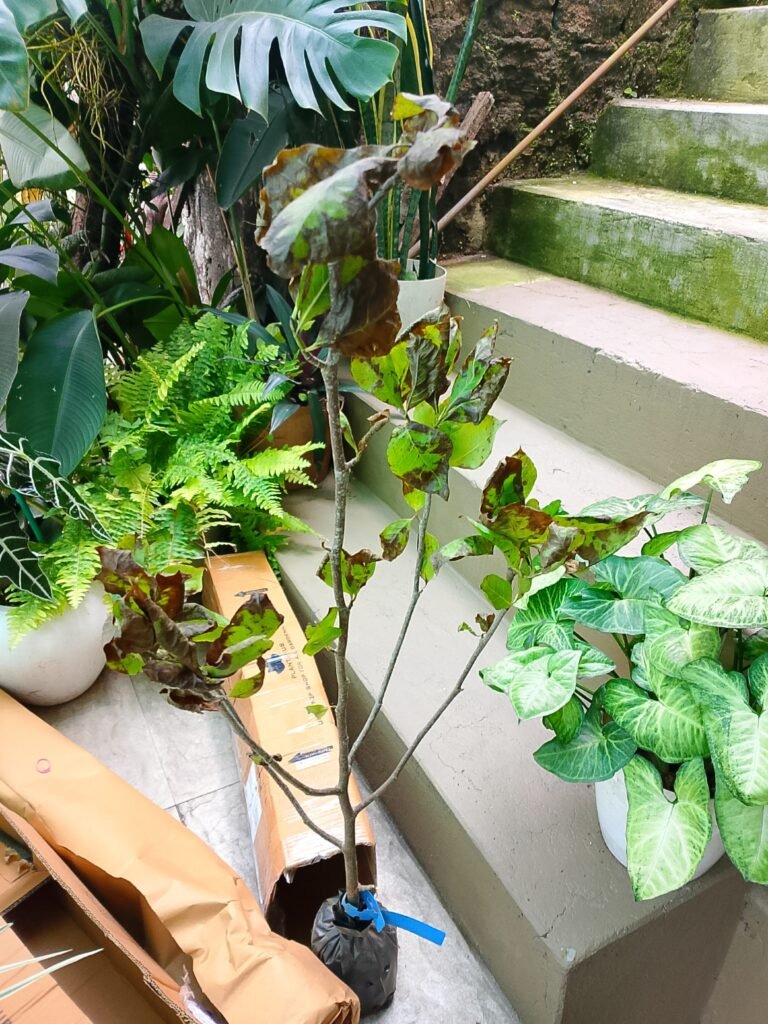




Fast delivery , size is as described ,but they arrived with almost every leaves very dry.
Good plant..healthy..waiting for its growth