

Asparagus Fern


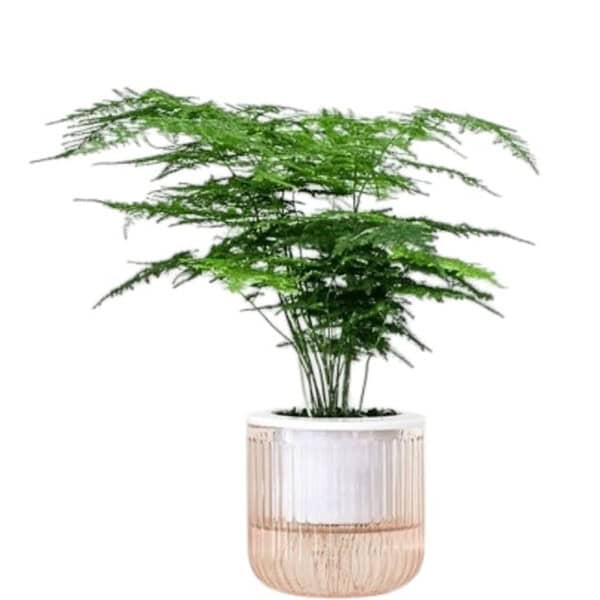
Asparagus Plant: A Graceful Addition to Your Garden
The asparagus plant is a versatile and elegant addition to any home garden. Known for its feathery foliage and fresh green spears, this perennial vegetable is both decorative and productive. Gardeners appreciate it not only for its culinary value but also for its low-maintenance nature once established. With proper care, it can thrive for 15 to 20 years, making it a long-term investment for your outdoor space.
Understanding the Asparagus Plant
The asparagus plant is a perennial species that produces tender spears during the growing season. These spears are harvested before they mature into tall, fern-like foliage. If left unharvested, the plant develops airy, soft green fronds that add texture and movement to the garden landscape.
It grows best in temperate climates with well-drained soil and plenty of sunlight. Unlike many vegetables that need replanting every year, asparagus returns season after season, gradually producing higher yields as it matures. Patience is key, as most plants require two to three years before a full harvest can begin.
Ideal Growing Conditions
For healthy growth, choose a sunny location that receives at least six to eight hours of direct light daily. Soil preparation is essential. Loose, sandy, and nutrient-rich soil encourages deep root development. Before planting, mix compost or well-rotted manure into the soil to improve fertility and drainage.
Spacing is equally important. Crowded roots can limit spear production. Plant crowns about 12 to 18 inches apart in trenches, then gradually fill the trench as shoots emerge. Consistent watering during the first growing season helps establish a strong root system.
Once established, the asparagus plant requires minimal attention. Regular weeding and occasional fertilization are usually sufficient to maintain productivity.
Harvesting and Maintenance
Harvesting typically begins in the second or third year after planting. Spears are ready to cut when they reach about 6 to 8 inches in height. Use a sharp knife or gently snap them off at ground level. Avoid over-harvesting in the early years, as the plant needs time to build strength.
After the harvesting season ends, allow the remaining shoots to grow into tall ferns. These ferns play a crucial role in photosynthesis, storing energy for the next season’s growth. In late autumn, once the foliage turns yellow or brown, cut it back to ground level to prepare for winter dormancy.
Applying mulch during colder months protects the roots and helps regulate soil temperature.
Benefits Beyond the Garden
Beyond its visual appeal, the asparagus plant is valued for its nutritional profile. Fresh spears are rich in vitamins A, C, and K, along with fiber and antioxidants. Homegrown produce often tastes more vibrant and flavorful than store-bought alternatives.
Additionally, its delicate foliage can enhance ornamental beds, blending seamlessly with flowering plants and shrubs. The plant’s dual purpose—culinary and decorative—makes it a practical yet attractive choice for gardeners seeking variety.
Final Thoughts
Growing asparagus requires patience, but the rewards are long-lasting. With proper soil preparation, sunlight, and consistent care, this resilient perennial will provide fresh harvests for many years. Whether planted for its elegant greenery or its nutritious spears, the asparagus plant remains a timeless favorite among gardening enthusiasts.
 PEBBLES
 PLANTS GROWTH
 PLANTHING MATERIALS