




















━━━━━━━━━━━━━━━━━━━━━━━━━━━━━━━━━━━━━
🎁 GIFTING BADGE
━━━━━━━━━━━━━━━━━━━━━━━━━━━━━━━━━━━━━
🎁 Perfect Gift For:
✔ Housewarming ✔ Birthday
✔ Anniversary ✔ Garden Lovers
✔ Get Well Soon ✔ Festival Gift
━━━━━━━━━━━━━━━━━━━━━━━━━━━━━━━━━━━━━
About This Plant
━━━━━━━━━━━━━━━━━━━━━━━━━━━━━━━━━━━━━
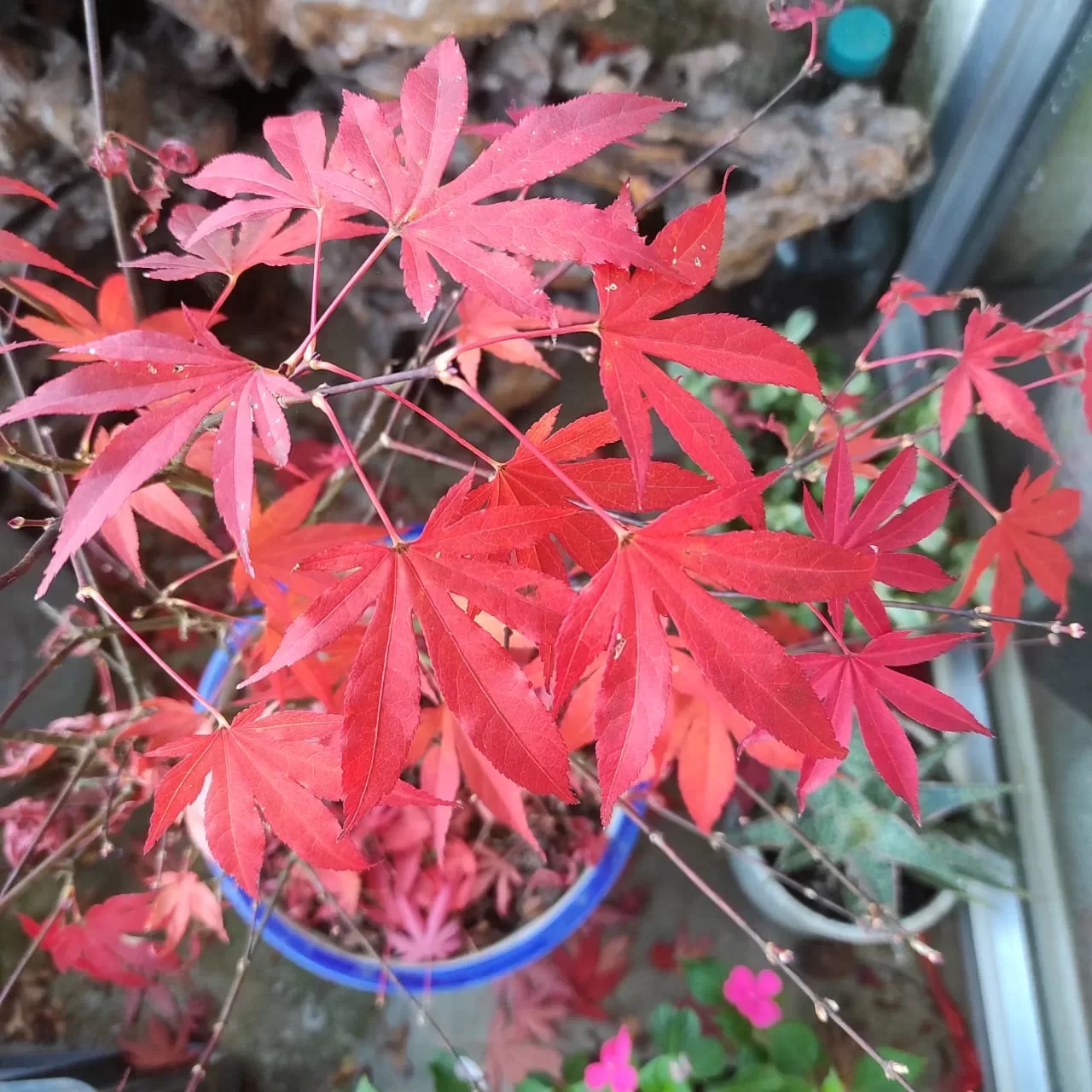
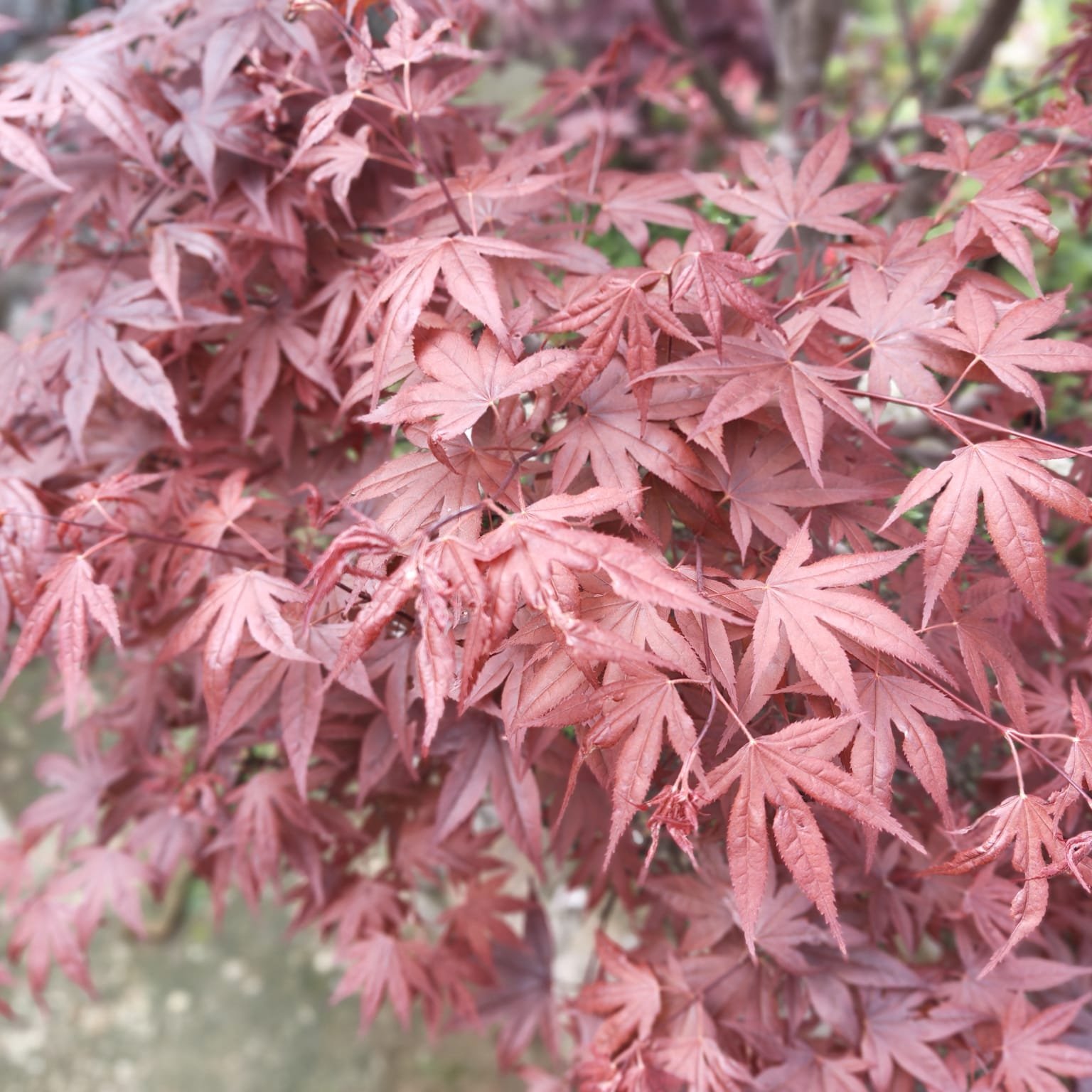
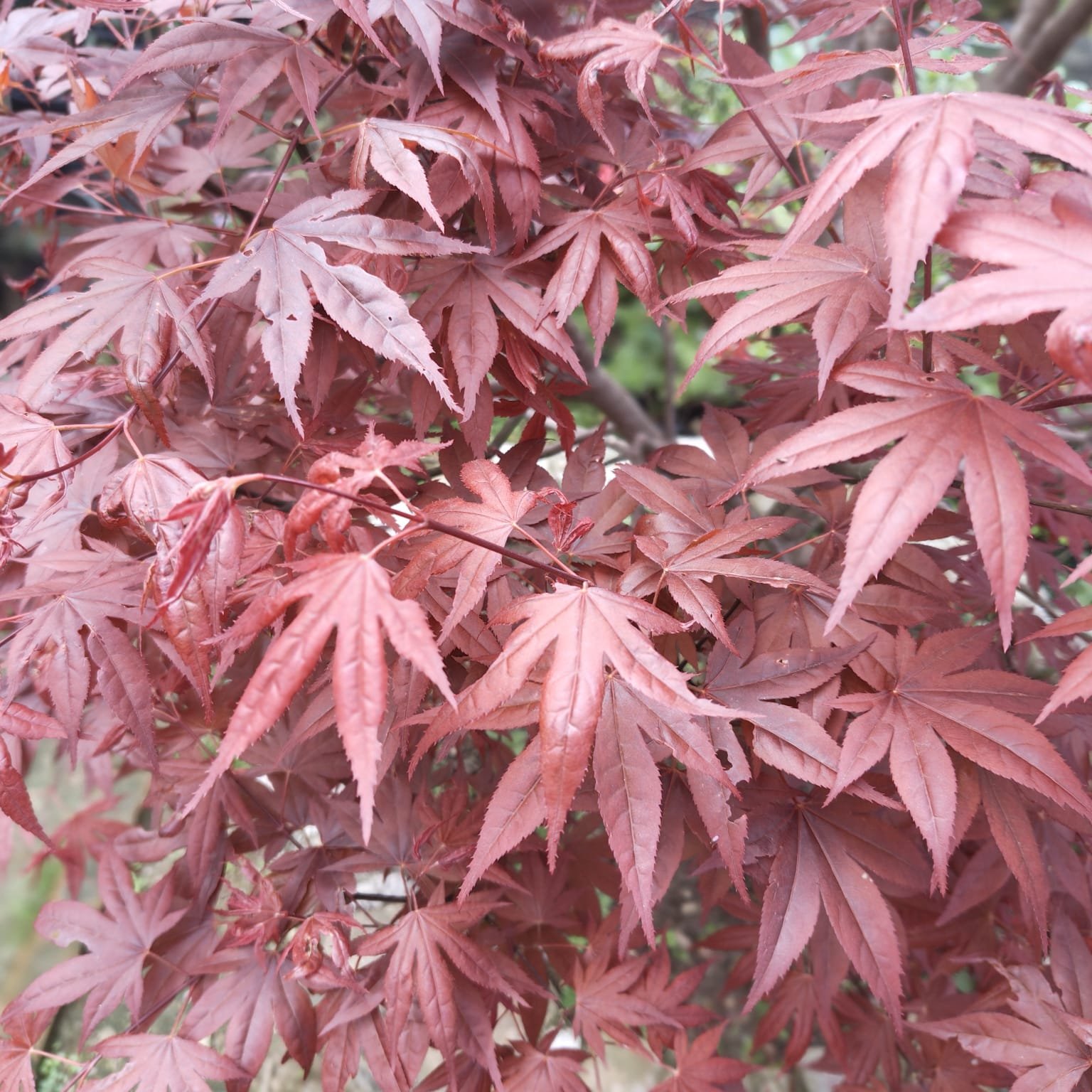
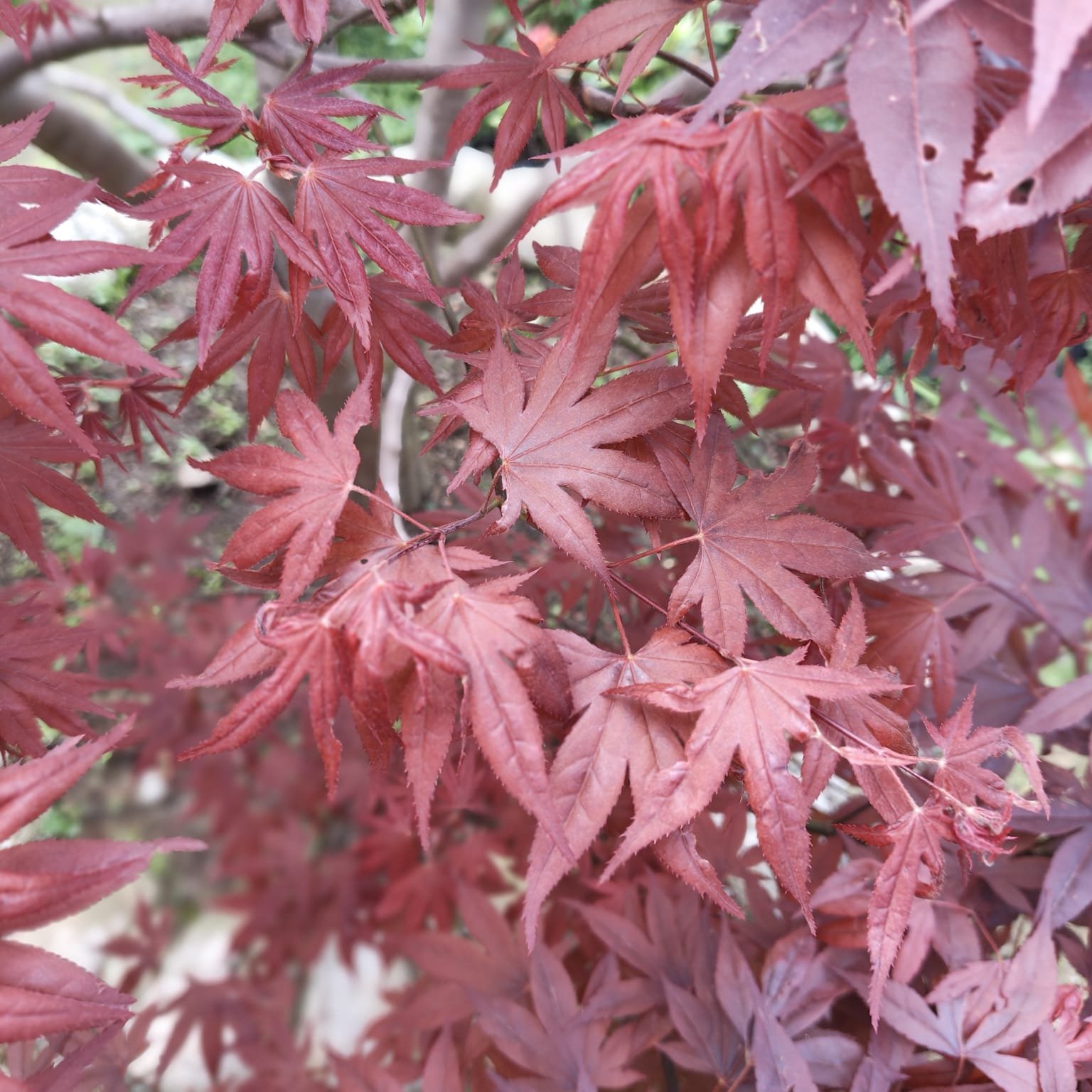
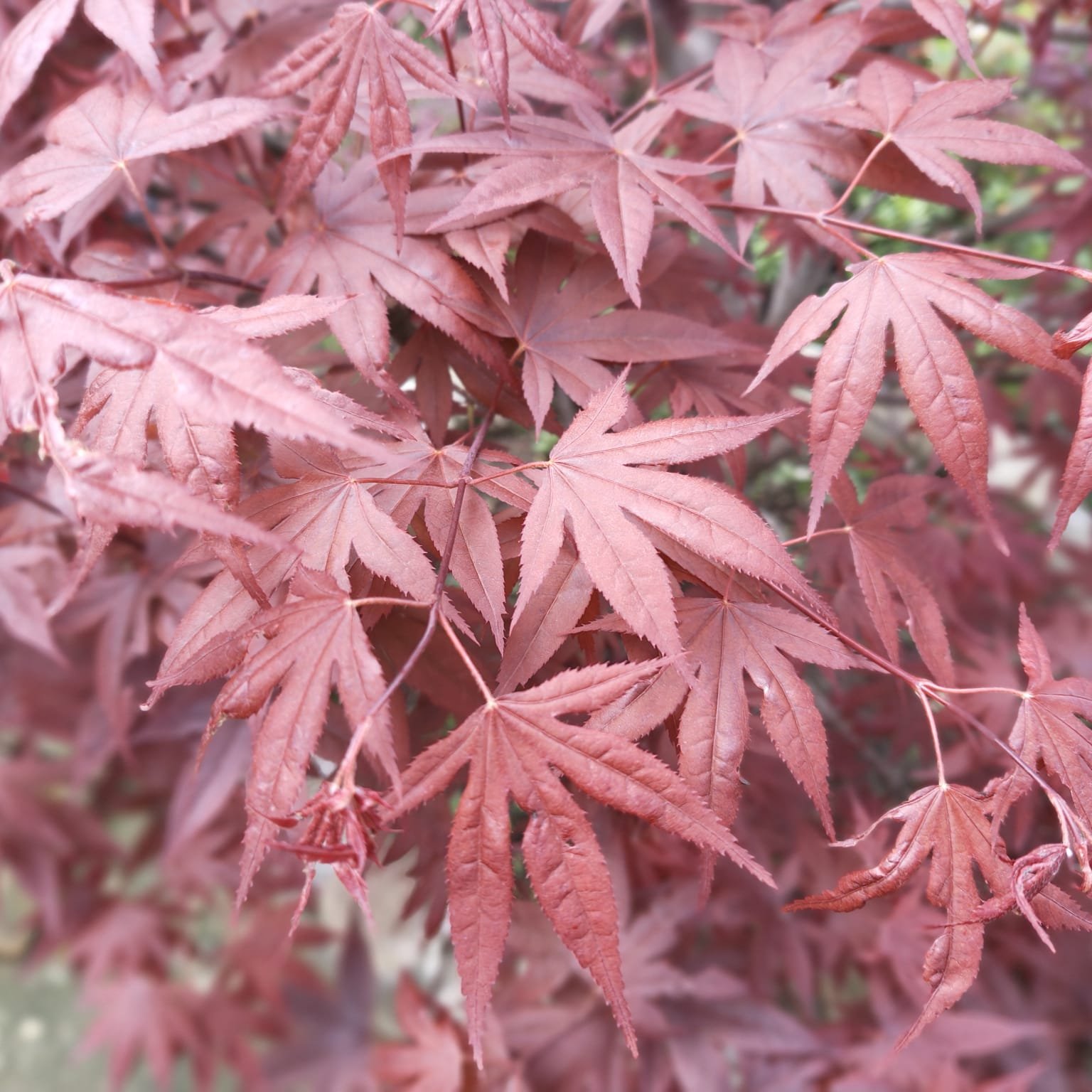
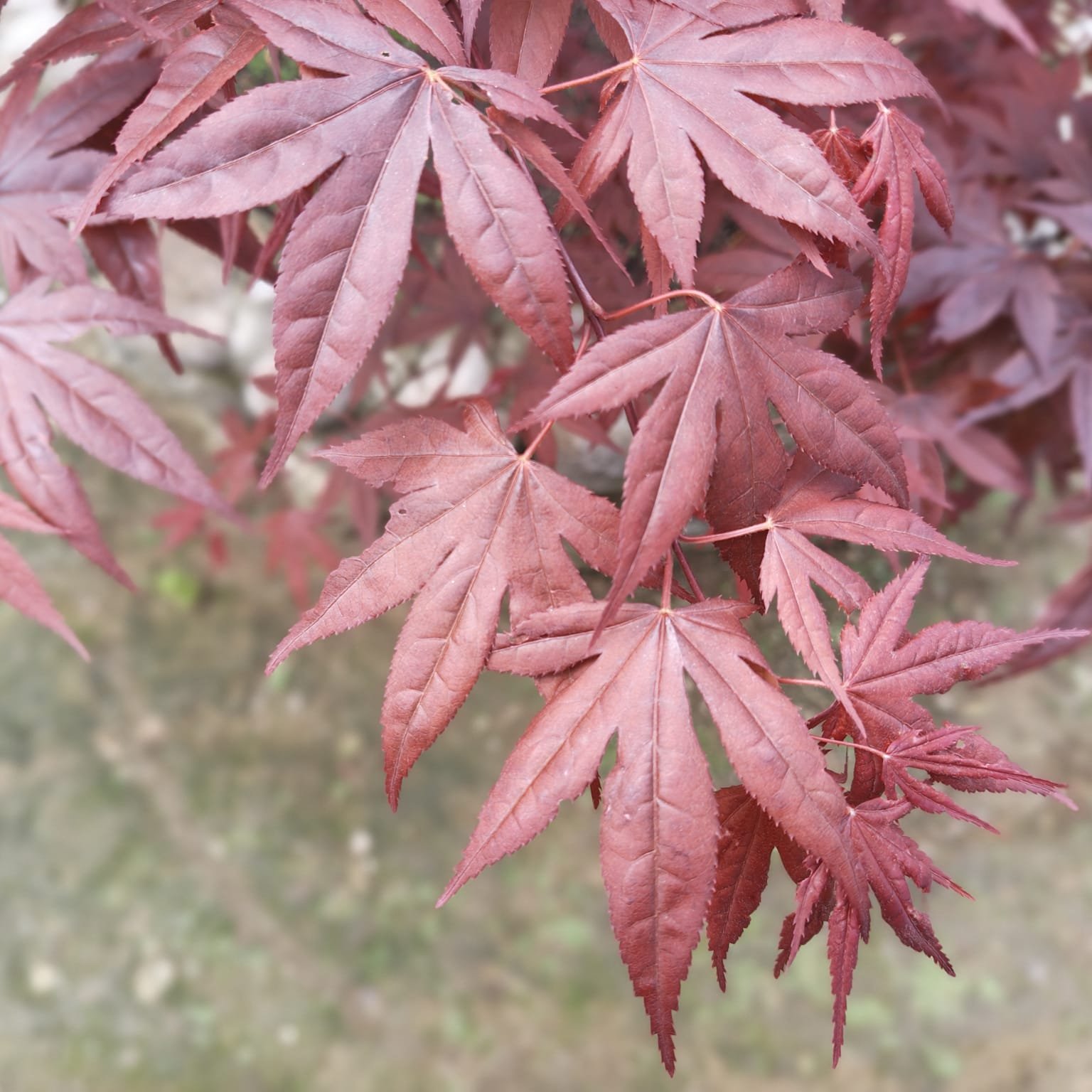
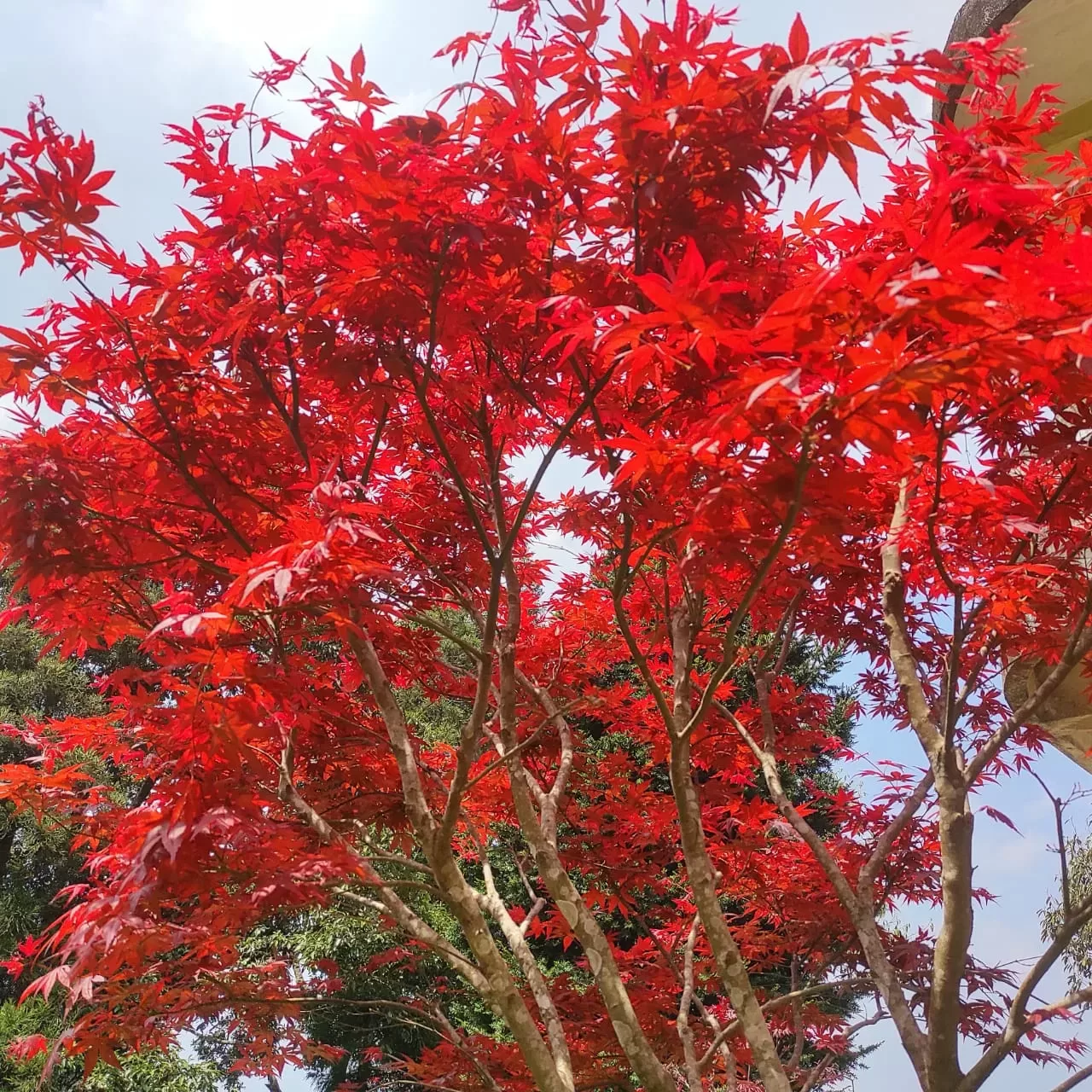
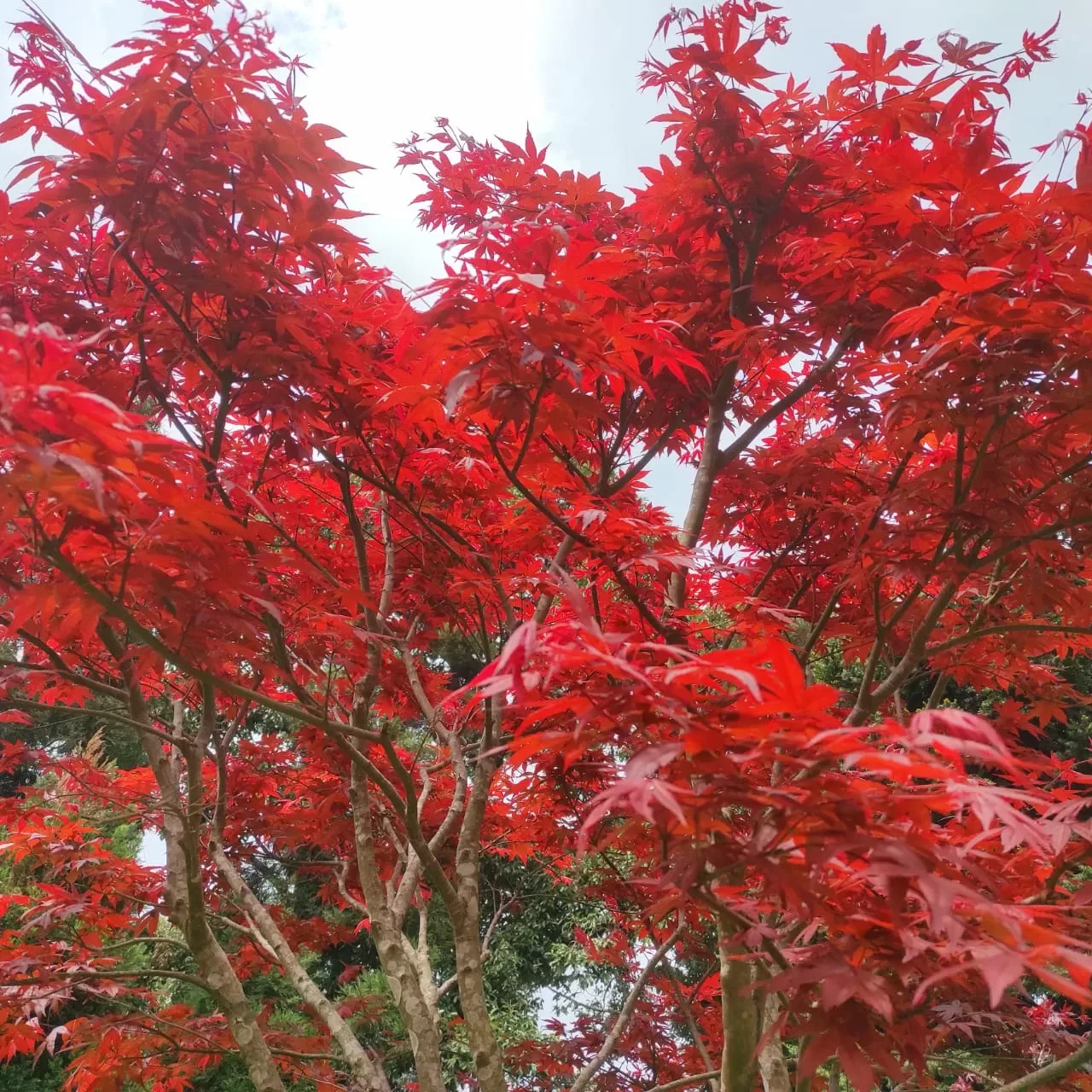
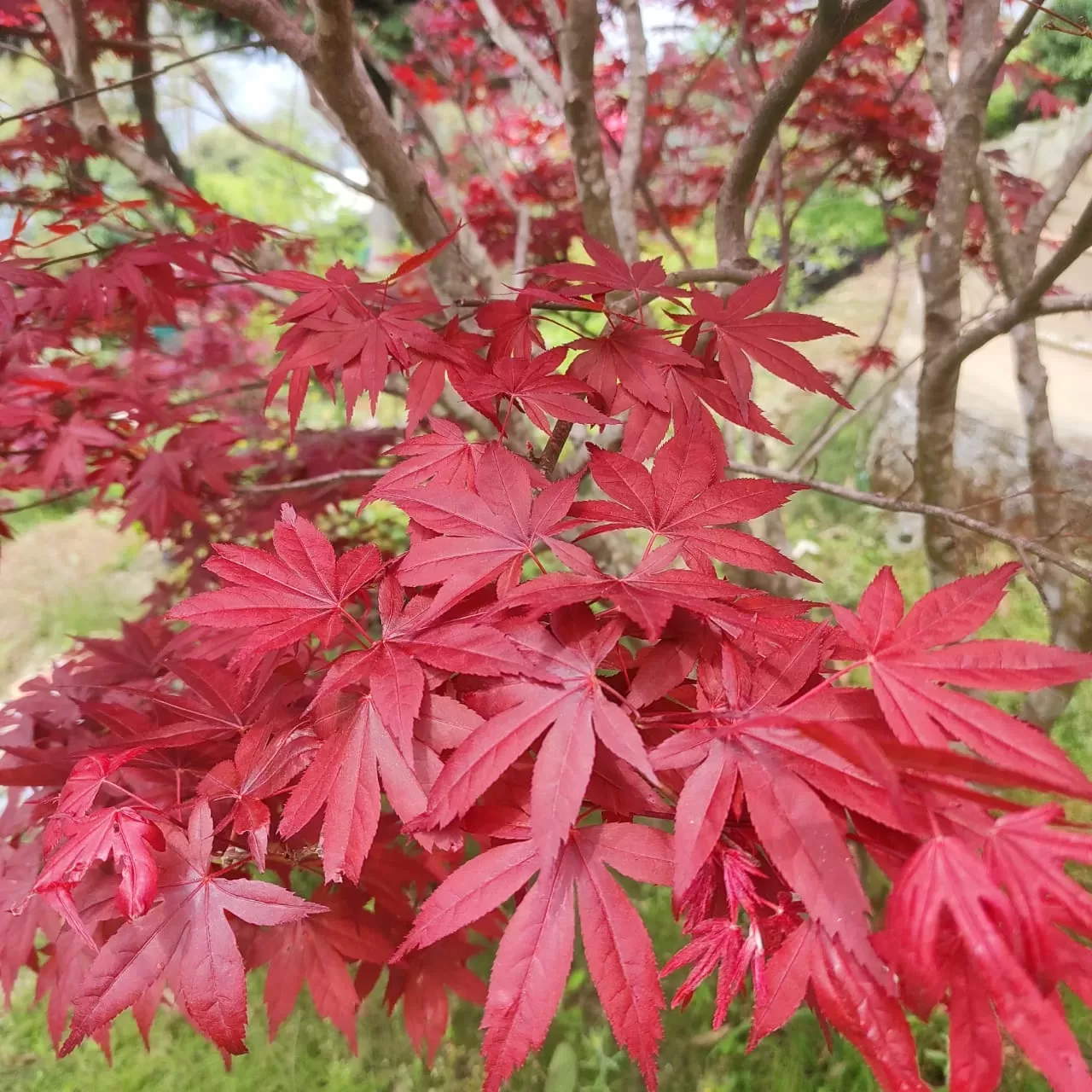
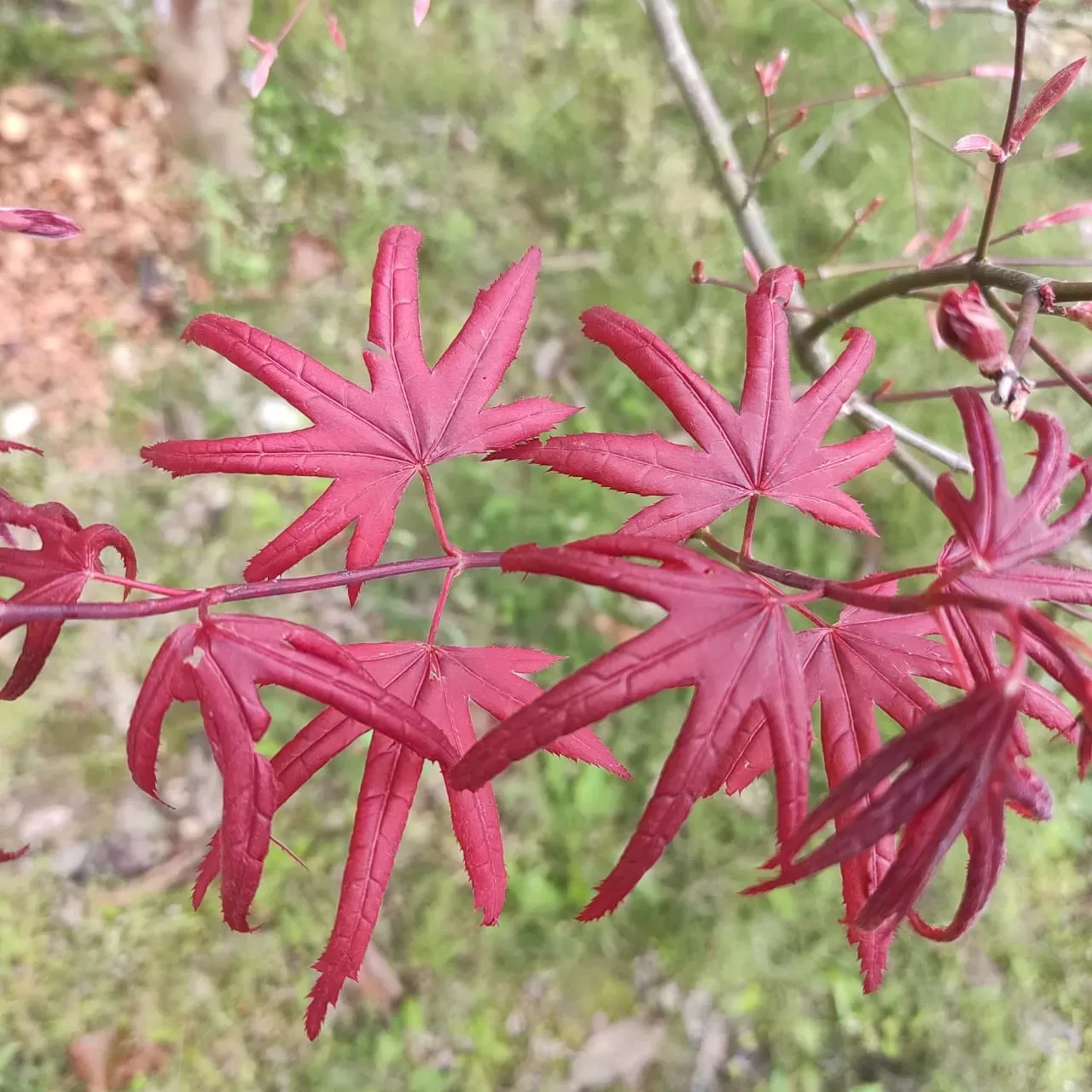
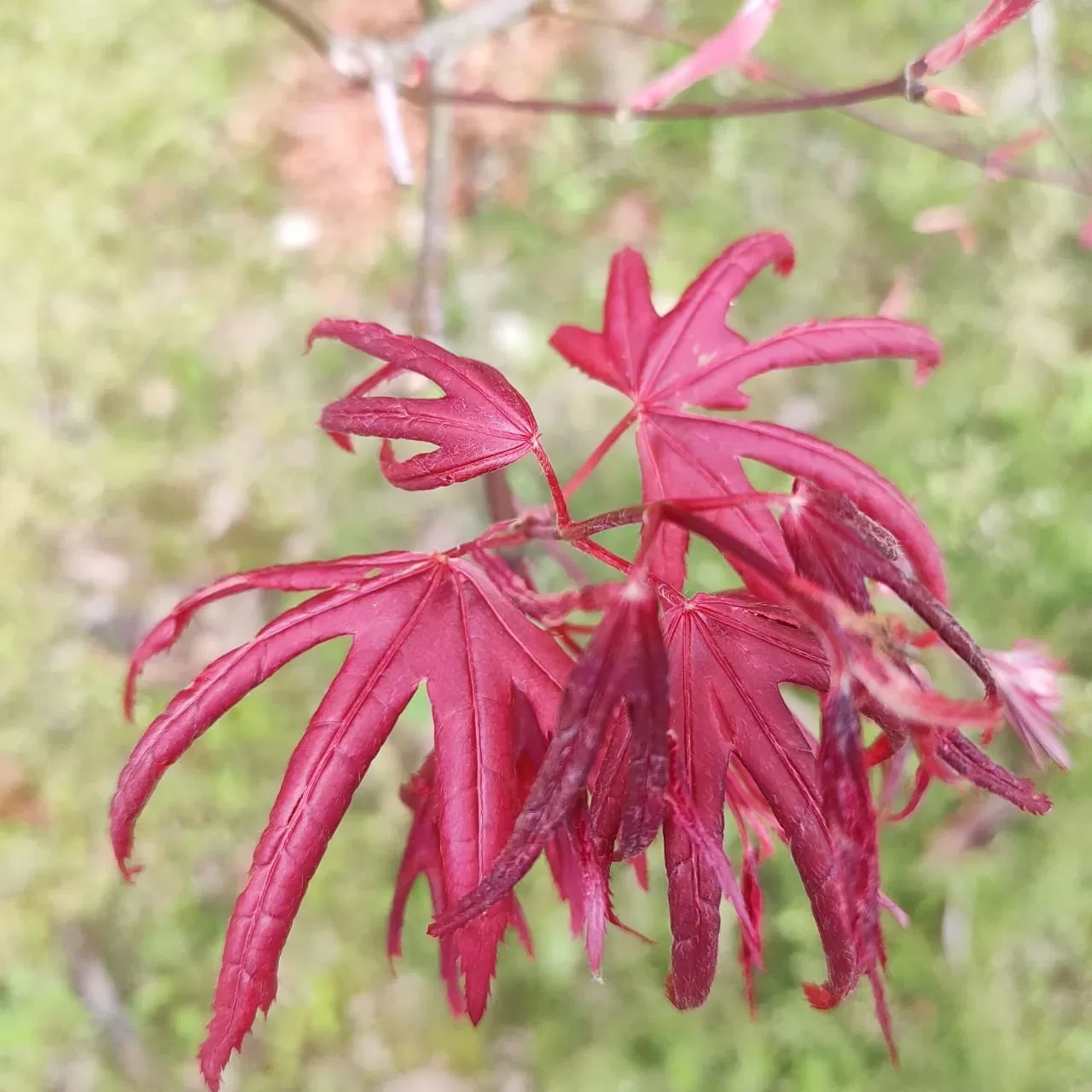
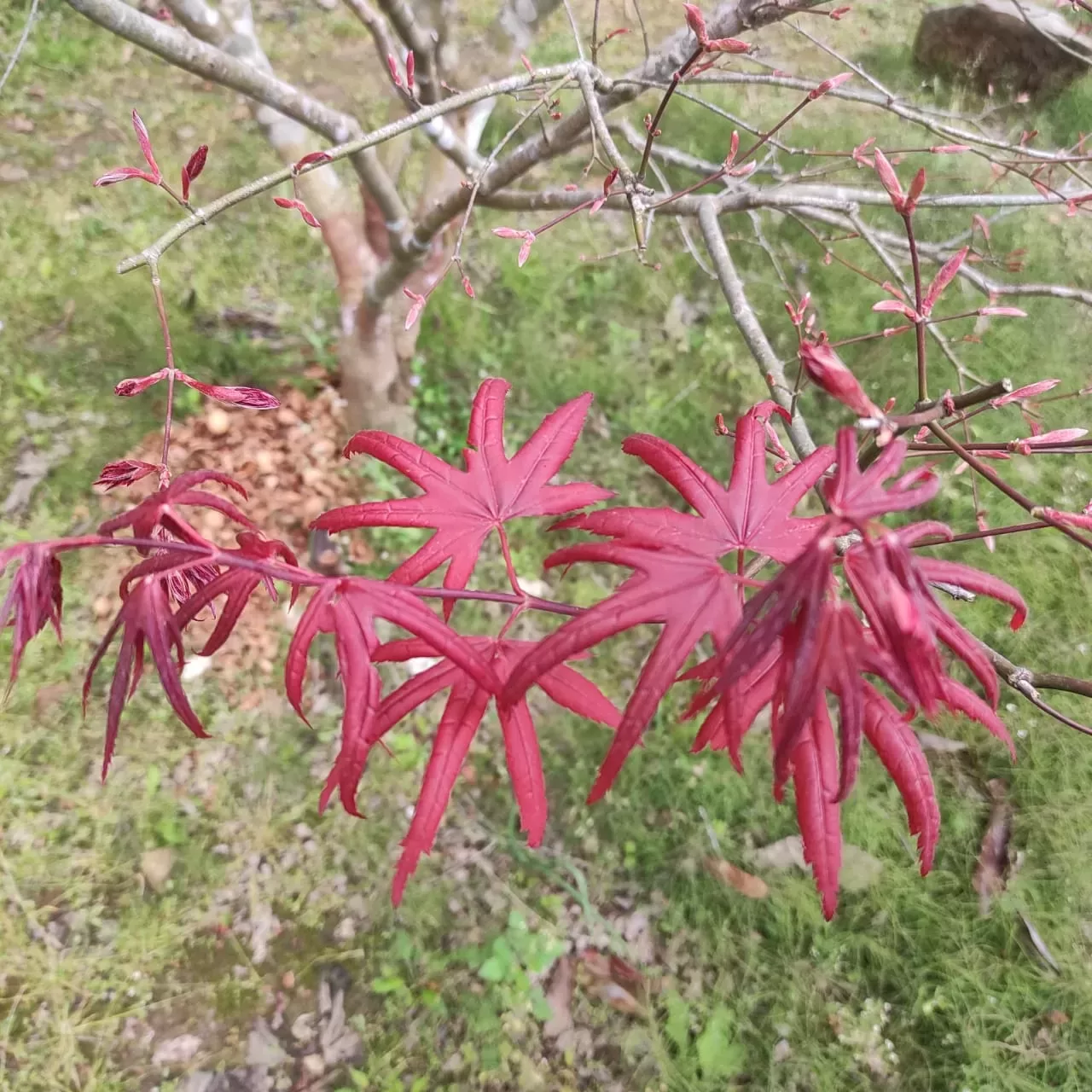
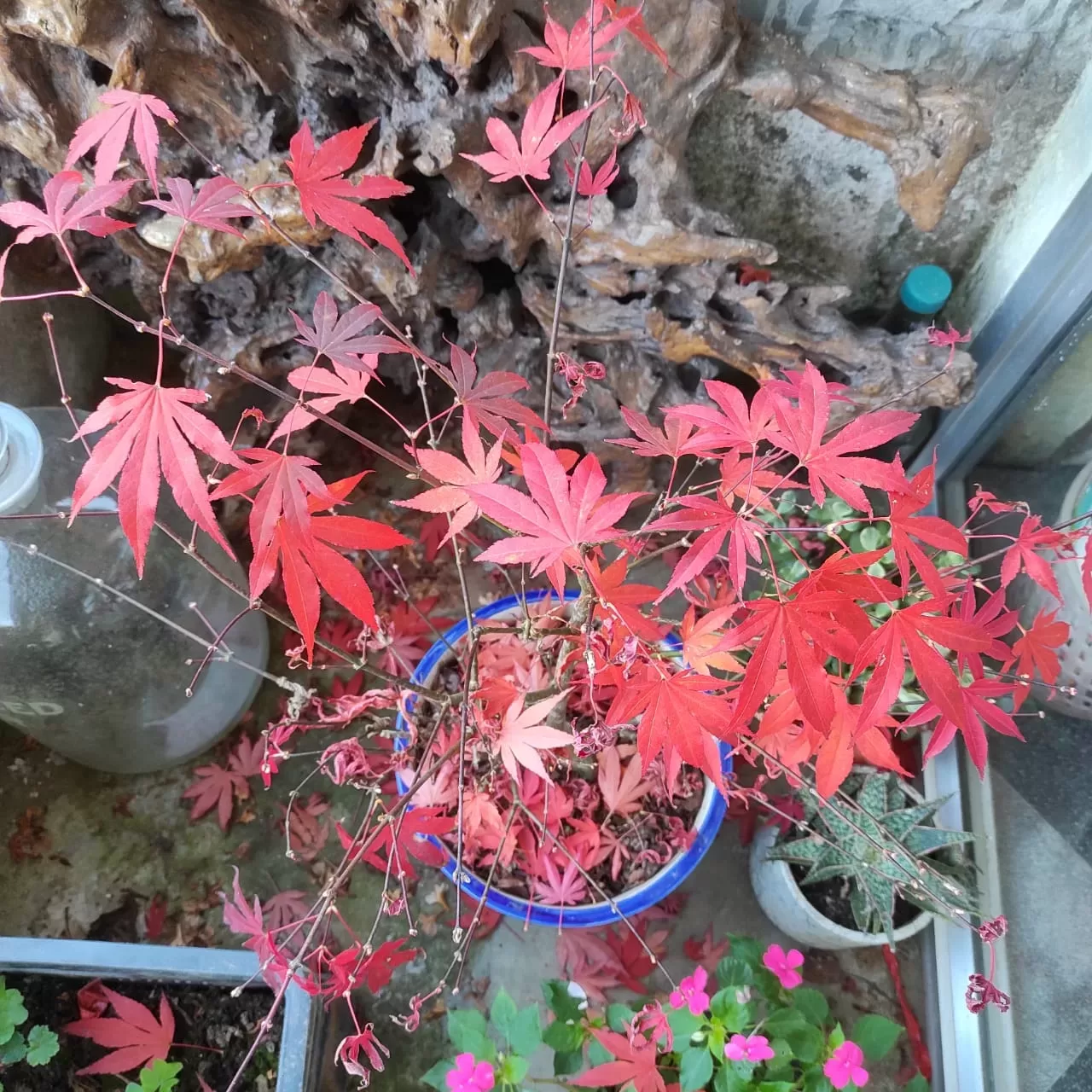
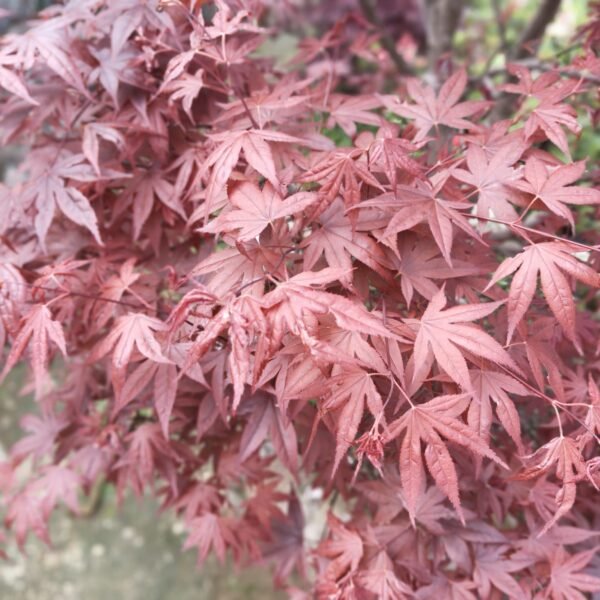
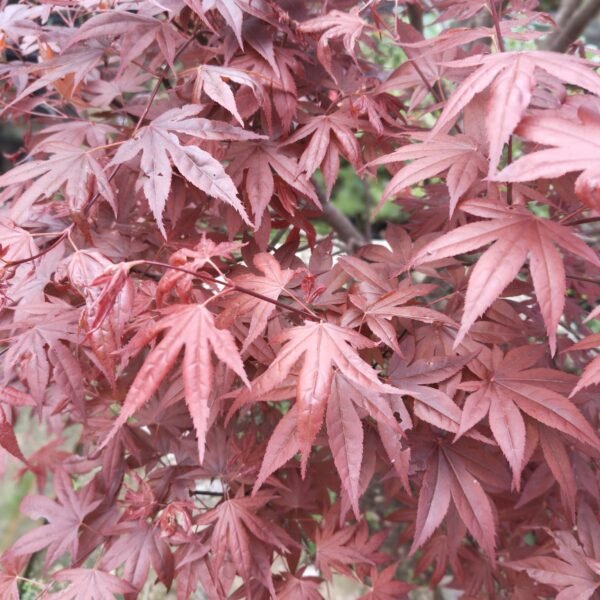
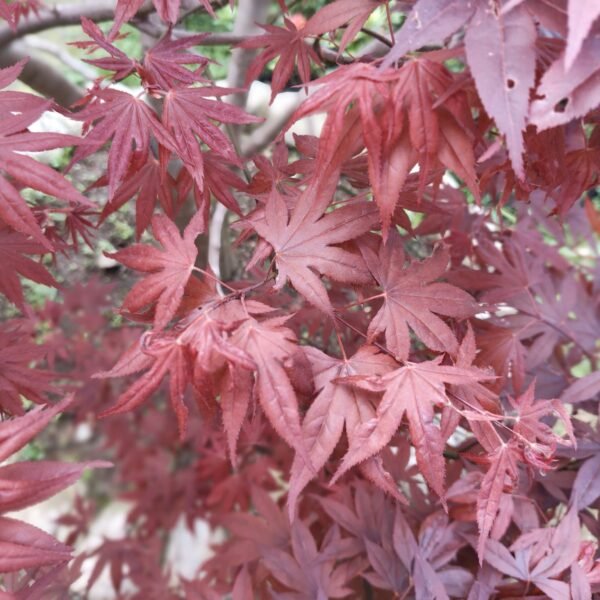
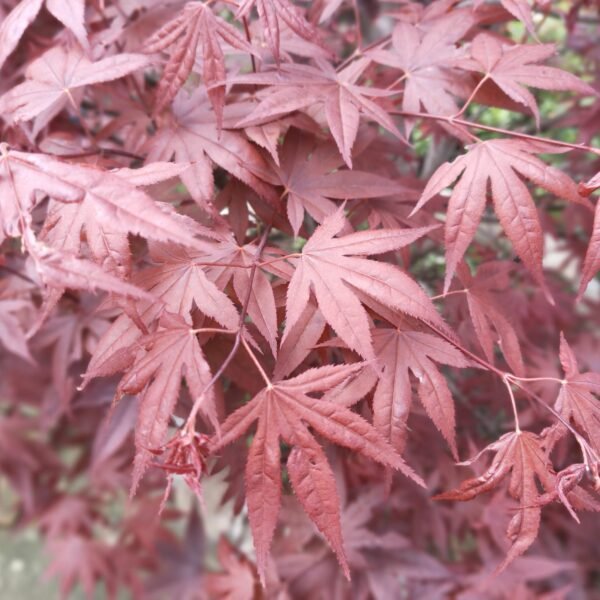
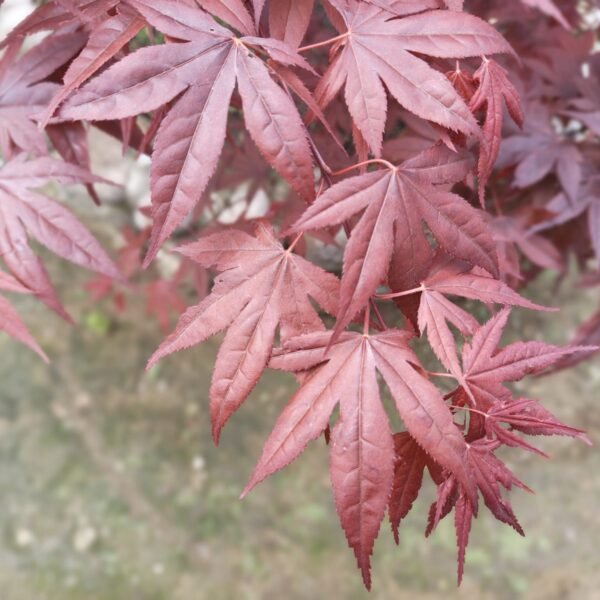
The Japanese Red Maple (Acer palmatum) is one of the most sought-after ornamental trees in the world. Native to Japan, Korea, and China, this elegant deciduous tree is beloved for its deeply lobed, star-shaped leaves that flush a rich, vivid red throughout spring and summer before transforming into blazing crimson and orange in autumn. Whether you are crafting a Japanese-style garden, growing a stunning bonsai, or want a statement tree for your balcony or terrace, the Japanese Red Maple delivers year-round visual drama and timeless beauty.
━━━━━━━━━━━━━━━━━━━━━━━━━━━━━━━━━━━━━
✨ Key Benefits
━━━━━━━━━━━━━━━━━━━━━━━━━━━━━━━━━━━━━
- 🍁 Vivid red-to-burgundy foliage in spring & summer — blazing crimson in autumn
- 🏡 Elegant size (2–6 m) — ideal for gardens, balconies, and terrace containers
- 🎋 Excellent for bonsai training — a classic subject for Japanese bonsai artists
- 🌸 Year-round ornamental appeal — stunning in every season
- ✅ Low-maintenance once established in the right cool climate
━━━━━━━━━━━━━━━━━━━━━━━━━━━━━━━━━━━━━
🌿 Care Instructions
━━━━━━━━━━━━━━━━━━━━━━━━━━━━━━━━━━━━━
☀️ Sunlight: Morning sun with afternoon shade — avoid harsh direct midday sun, especially in summer. In cooler climates, more direct sun enhances red colour intensity.
💧 Watering: Keep soil consistently moist but never waterlogged. Water deeply 2–3 times a week in summer; reduce in winter. Mulching helps retain moisture.
🪴 Soil: Well-drained, slightly acidic soil enriched with compost. Avoid heavy clay soils. Target pH 5.5–6.5.
🌡️ Temperature: Thrives in 0–27°C. In hot Indian summers, provide afternoon shade and increase watering to protect foliage from scorching. Best for cooler regions and hill stations.
🧪 Fertiliser: Slow-release balanced fertiliser in spring. Avoid high nitrogen — it promotes green growth at the expense of red colour.
✂️ Pruning: Light pruning in late winter or early spring. Remove dead or crossing branches to improve airflow and shape.
❄️ Cold Resistance: Good cold hardiness. Protect roots with mulch in harsh winters.
━━━━━━━━━━━━━━━━━━━━━━━━━━━━━━━━━━━━━
📏 Size Guide
━━━━━━━━━━━━━━━━━━━━━━━━━━━━━━━━━━━━━
🌱 At Delivery:
Height: 30–50 cm
Pot Size: 6-inch nursery pot
Stage: Young, established sapling
🌿 After 2 Years:
Height: 80–130 cm
Spread: 60–90 cm
Growth Rate: Slow to moderate
🌳 Fully Grown:
Height: 2–6 m (container-grown plants stay much smaller)
Spread: 2–4 m
Time to First Full Colour: 2–3 years from sapling
📌 Space Needed:
Minimum Pot Size: 18–24 inch terracotta or wooden pot
Garden Spacing: 2–3 m from other trees or walls
━━━━━━━━━━━━━━━━━━━━━━━━━━━━━━━━━━━━━
📅 Seasonal Availability & Behaviour
━━━━━━━━━━━━━━━━━━━━━━━━━━━━━━━━━━━━━
🌸 Spring (Feb – Apr):
Vivid red leaves emerge — the most striking display. Begin light fertilising after new growth appears.
☀️ Summer (May – Aug):
Rich red-to-burgundy foliage. Maintain regular watering. Provide afternoon shade in hotter zones.
🍂 Autumn (Sep – Nov):
Leaves transform to brilliant crimson and orange before dropping. Reduce watering. Apply leaf compost around root zone.
❄️ Winter (Dec – Jan):
Plant goes dormant — bare branches with graceful silhouette. Do not fertilise. Mulch roots well.
🛒 Best Time to Buy & Plant:
February to April or September to October — allows roots to establish before the next colour season.
━━━━━━━━━━━━━━━━━━━━━━━━━━━━━━━━━━━━━
🌍 Climate Zone Compatibility
━━━━━━━━━━━━━━━━━━━━━━━━━━━━━━━━━━━━━
✅ Cold Cities (thrives — summer max below 20°C):
Leh, Kargil, Tawang, Spiti, Lahaul — excellent growth and vivid seasonal colour
✅ Semi-Temperate Cities (grows well — summer max 20–28°C):
Shimla, Manali, Mussoorie, Ooty, Kodaikanal, Shillong, Munnar — good colour with afternoon shade in summer
✅ Temperate Cities (best growth — summer max 25–30°C):
Nainital, Dharamsala, Srinagar, Aizawl — ideal cool summers and cold winters for strong colour display
⚠️ Subtropical Cities (marginal — summer max 33–38°C):
Dehradun, Bangalore, Pune — plant survives with care but colour may be less intense; afternoon shade essential
❌ Tropical Cities (not suitable — summer max 35–40°C):
Mumbai, Delhi, Chennai, Hyderabad — not recommended; extreme heat prevents proper dormancy and colour
━━━━━━━━━━━━━━━━━━━━━━━━━━━━━━━━━━━━━
🏠 Perfect For
━━━━━━━━━━━━━━━━━━━━━━━━━━━━━━━━━━━━━
👤 Who: Garden enthusiasts, bonsai artists, plant collectors, and cool-climate homeowners
📍 Where: Mountain gardens, terrace containers, Japanese-style landscapes, balcony focal points
🎯 Why: Stunning year-round seasonal colour, elegant form, and classic ornamental value
━━━━━━━━━━━━━━━━━━━━━━━━━━━━━━━━━━━━━
📦 What You Get
━━━━━━━━━━━━━━━━━━━━━━━━━━━━━━━━━━━━━
- 1 healthy Japanese Red Maple (Acer palmatum) sapling
- Carefully packed for safe delivery across India
- Nursery grown in controlled cool-climate conditions
- Free plant care guide
- 100% healthy plant guarantee
━━━━━━━━━━━━━━━━━━━━━━━━━━━━━━━━━━━━━
❓ Frequently Asked Questions
━━━━━━━━━━━━━━━━━━━━━━━━━━━━━━━━━━━━━
Q: Can I grow Japanese Red Maple in Delhi or Mumbai?
A: It is not recommended. Japanese maple needs cool winters (below 10°C) for proper dormancy and vivid colour. In hot plains cities, the plant may survive but will not show its true seasonal beauty. Best suited to Nainital, Shimla, Manali, Ooty, Kodaikanal, Srinagar, and similar cool-climate locations.
Q: How long before it shows its full colour?
A: Most young saplings show strong red colour from the first spring. Full, well-established colour display develops within 2–3 years of planting.
Q: Does it lose its leaves?
A: Yes — it is deciduous. It drops its leaves in autumn after the colour display and stands bare through winter. The bare winter branching has its own elegant, architectural beauty.
Q: Is it good for bonsai?
A: Absolutely. Japanese Red Maple has been prized for bonsai for centuries. Its small leaves, graceful branching, and vivid seasonal colour make it one of the most popular bonsai trees worldwide.
Q: What soil does it need?
A: Slightly acidic (pH 5.5–6.5), well-drained, humus-rich soil. Avoid heavy clay and alkaline soils. For containers, use a mix of loam, compost, and perlite.






Healthy plant received
Packing was really good . Plan received in healthy condition
Excellent plant.I love the colour,size and spread of the plant sent.
Received it in very good condition. Will be eagerly waiting for next autumn.