















━━━━━━━━━━━━━━━━━━━━━━━━━━━━━━━━━━━━━
🎁 GIFTING BADGE
━━━━━━━━━━━━━━━━━━━━━━━━━━━━━━━━━━━━━
🎁 Perfect Gift For:
✔ Housewarming ✔ Birthday
✔ Anniversary ✔ Garden Lovers
✔ Get Well Soon ✔ Festival Gift
━━━━━━━━━━━━━━━━━━━━━━━━━━━━━━━━━━━━━
About This Plant
━━━━━━━━━━━━━━━━━━━━━━━━━━━━━━━━━━━━━
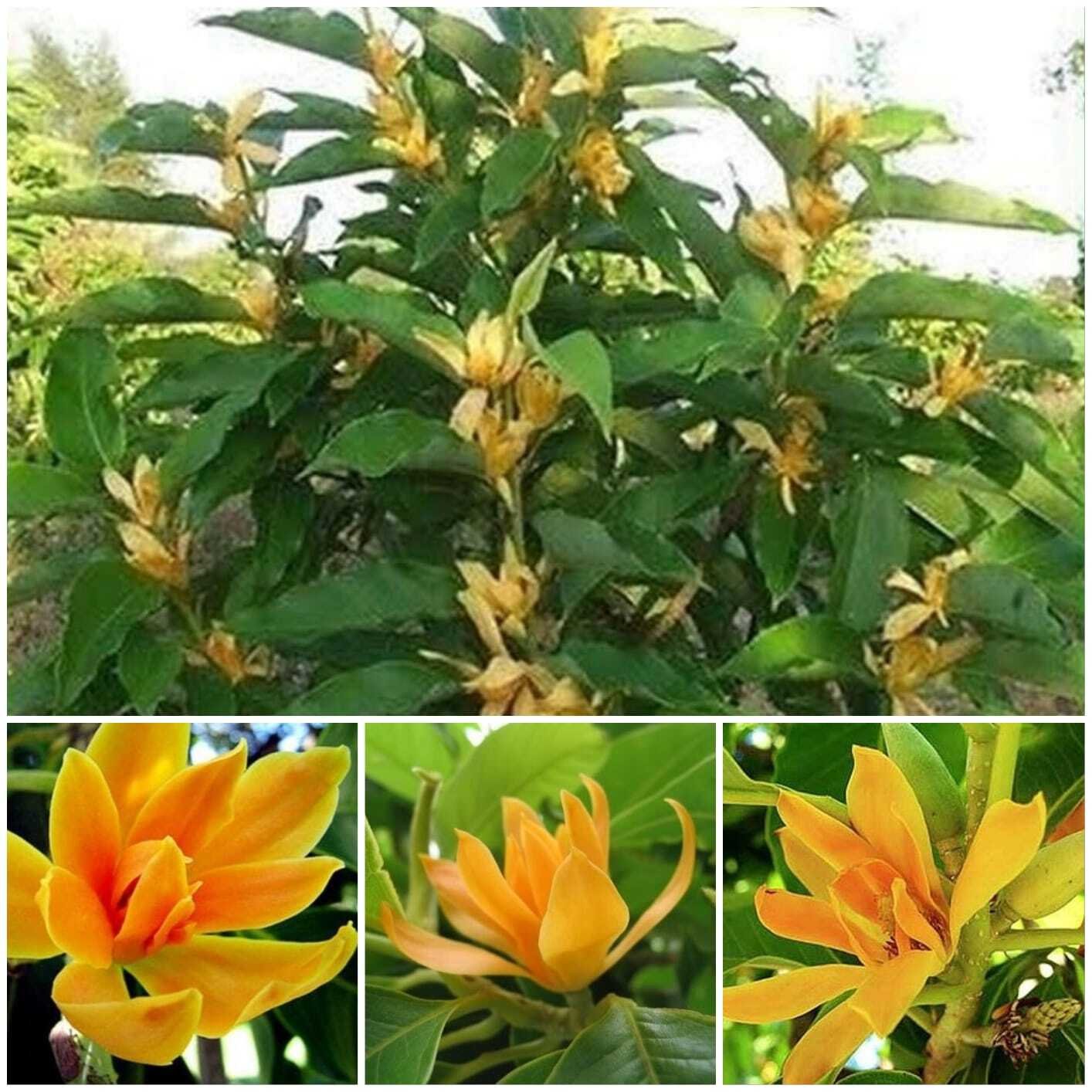
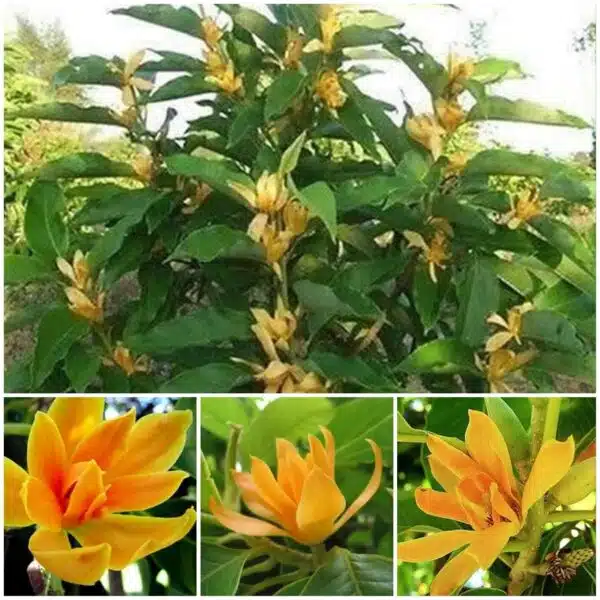
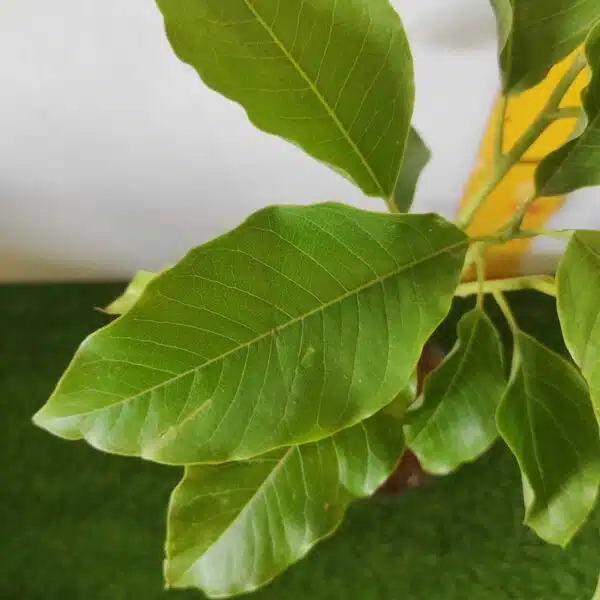
Magnolia champaca — known across India as Champaka, Champa, or Yellow Champak — is one of the most spiritually significant and aromatically powerful flowering trees in the subcontinent. A medium to large evergreen tree native to South and Southeast Asia, it produces narrow, golden-yellow, star-shaped flowers of extraordinary, heady fragrance that fills entire neighbourhoods when in bloom. The flowers are used in temples, garlands, hair decoration, and are the source of some of the world’s finest floral perfumes — the legendary Dior fragrance ‘Joy’ was originally made with Champaka absolute. Unlike seedling Champaka which can take 8–12 years to flower, this grafted variety flowers within 1–2 years of purchase, making it ideal for gardeners who want results fast. In India, it grows beautifully across a wide range of climates — from Kerala and Tamil Nadu to Bangalore, Pune, and even cooler cities like Dehradun — and performs exceptionally well in tropical and subtropical conditions.
━━━━━━━━━━━━━━━━━━━━━━━━━━━━━━━━━━━━━
✨ Key Benefits
━━━━━━━━━━━━━━━━━━━━━━━━━━━━━━━━━━━━━
- 🌼 Intoxicatingly fragrant golden-yellow flowers — one of the most powerfully scented flowering trees in India
- 🌳 Grafted variety — flowers within 1–2 years vs 8–12 years for seedlings; compact and manageable
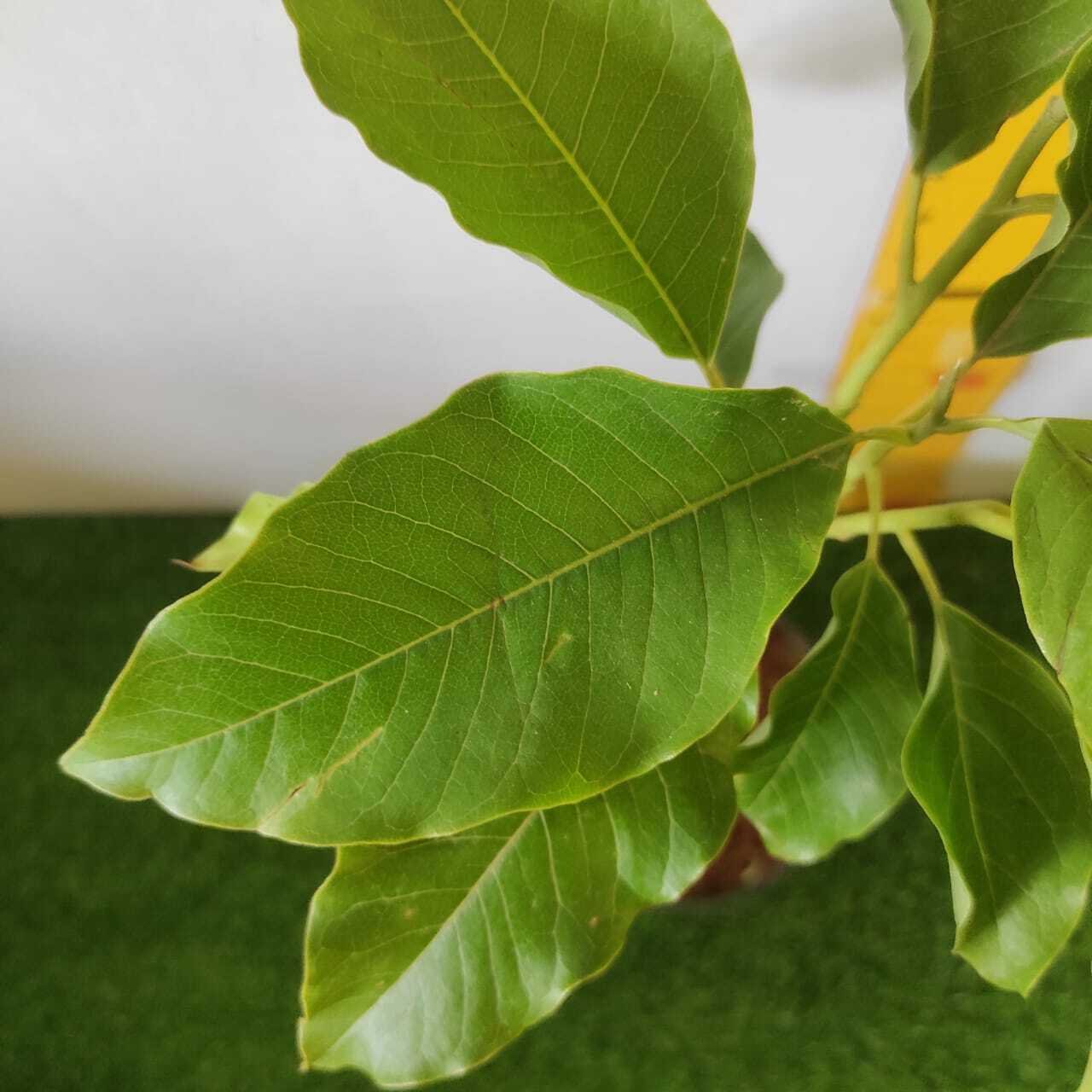
- 🌿 Evergreen — retains glossy dark-green leaves year-round; flowers multiple times a year in warm climates
- 🛕 Culturally and spiritually significant — used in temples, pooja, garlands, and perfumery
- ✅ Heat-tolerant and adaptable — one of the most widely grown aromatic trees across India’s warm regions
━━━━━━━━━━━━━━━━━━━━━━━━━━━━━━━━━━━━━
🌿 Care Instructions
━━━━━━━━━━━━━━━━━━━━━━━━━━━━━━━━━━━━━
☀️ Sunlight: Full sun — at least 6–8 hours of direct sunlight daily. Avoid planting in deep shade; insufficient sun dramatically reduces flowering.
💧 Watering: 2–3 times a week in summer; once a week in winter and cooler months. Young grafted plants need consistent moisture but must never sit in waterlogged soil.
🪴 Soil Composition: Well-draining, fertile loamy soil rich in organic matter. Best mix: garden loam + compost + coarse sand (2:1:1). Target pH 6.0–7.0. Avoid heavy clay soils that retain water around roots. Mulching helps retain moisture in hot, dry weather.
🌡️ Temperature: 20–40°C ideal; best in warm, humid tropical and subtropical climates. Not suitable for sustained frost or temperatures below 5°C. Thrives year-round in South India, the Deccan Plateau, and warm hill stations.
🧪 Fertilizer: Apply NPK fertilizer (10:10:10) every 4–6 weeks during active growing season (March–September). Supplement with well-rotted cow dung or compost monthly. Bone meal at planting time encourages strong root development.
✂️ Pruning: Light pruning after each flowering flush to shape the canopy and encourage new growth. Remove dead or crossing branches. Hard pruning is not required.
━━━━━━━━━━━━━━━━━━━━━━━━━━━━━━━━━━━━━
📏 Size Guide
━━━━━━━━━━━━━━━━━━━━━━━━━━━━━━━━━━━━━
🌱 At Delivery:
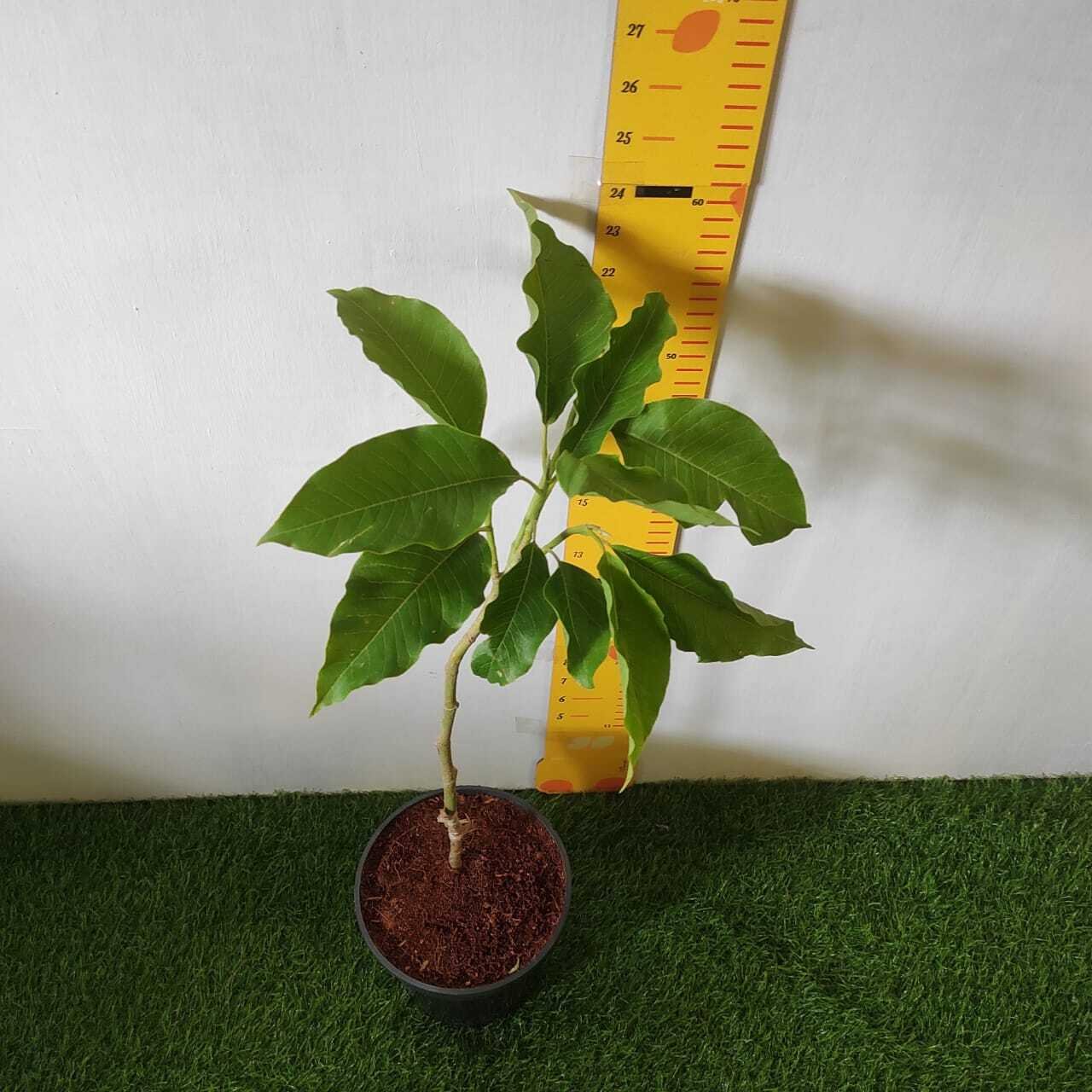
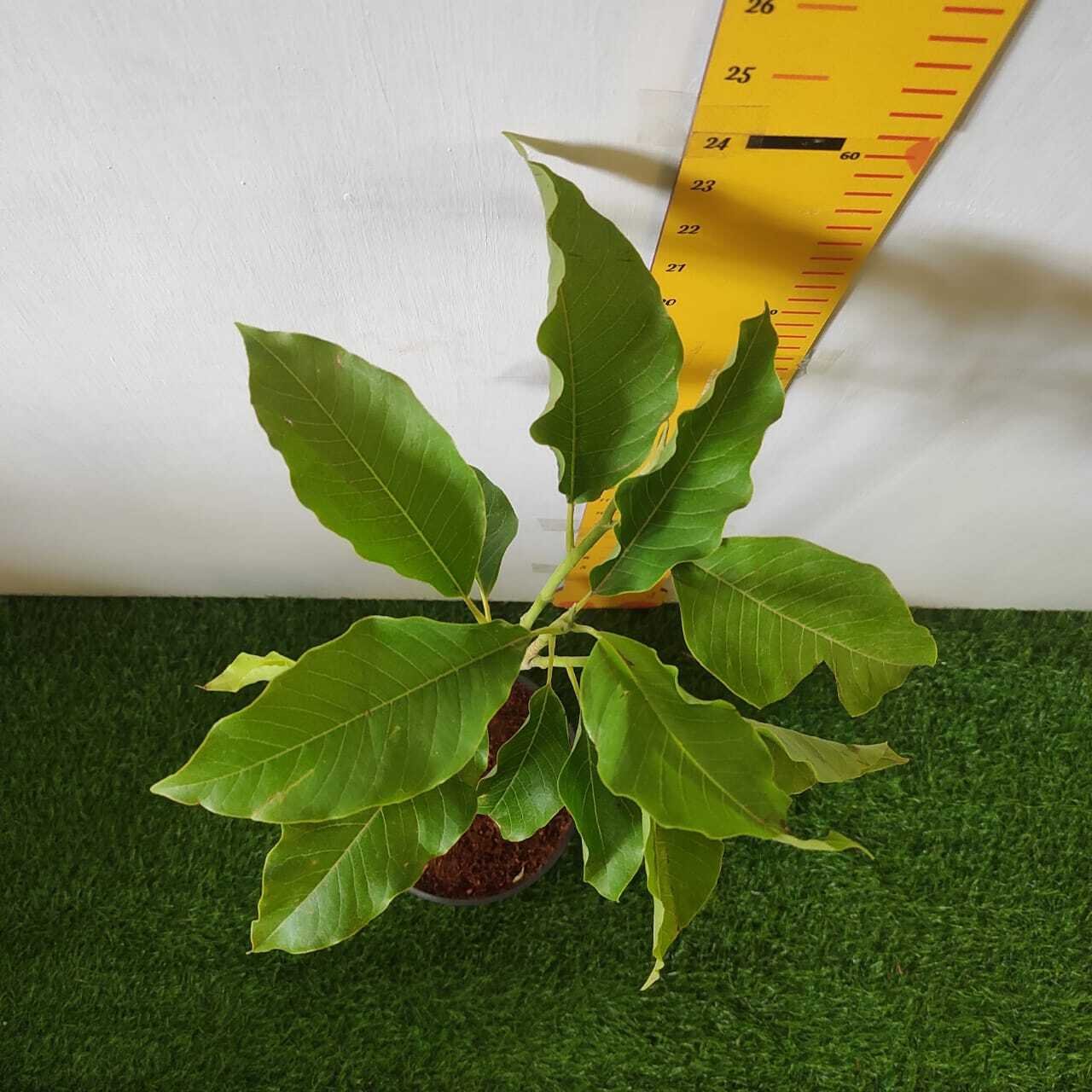
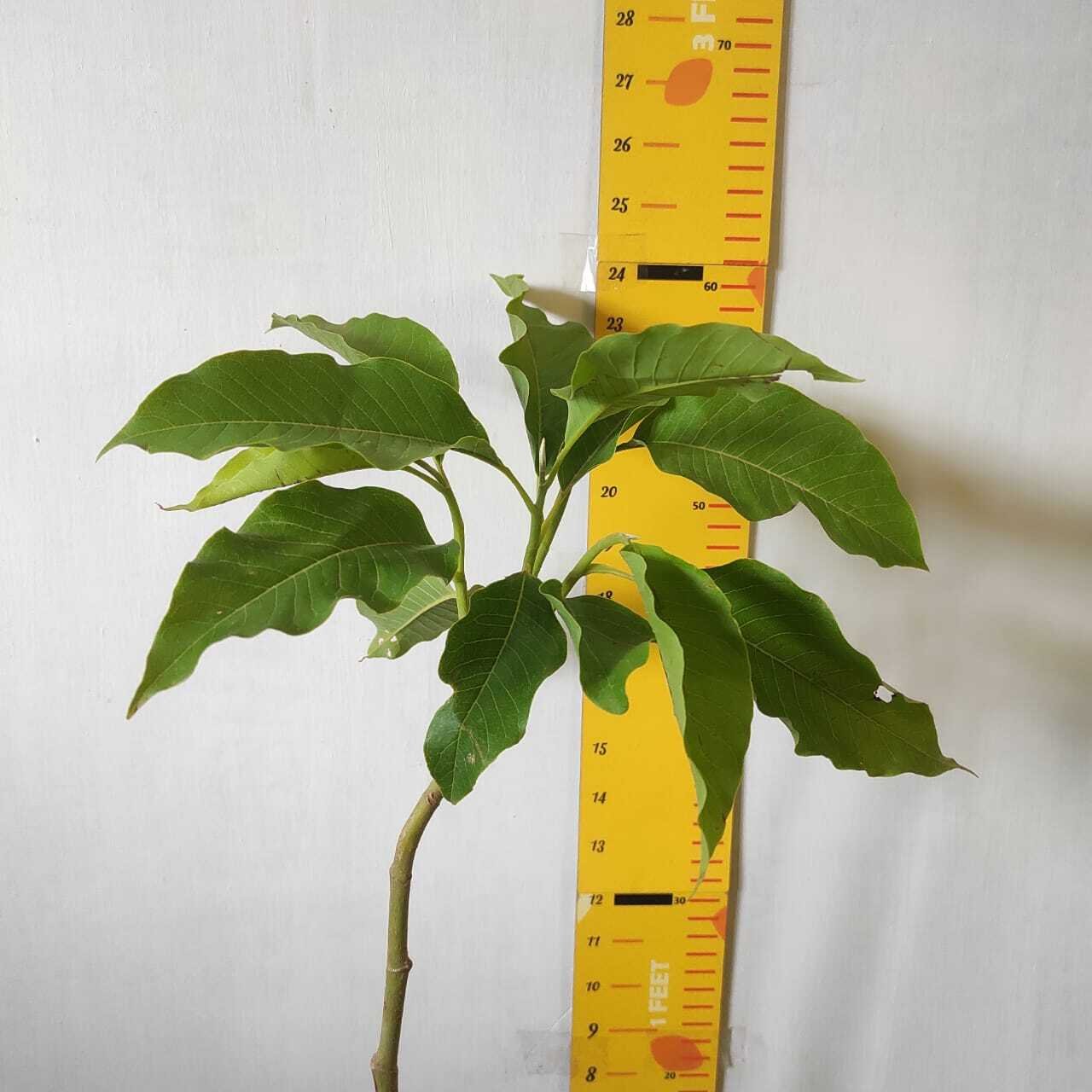
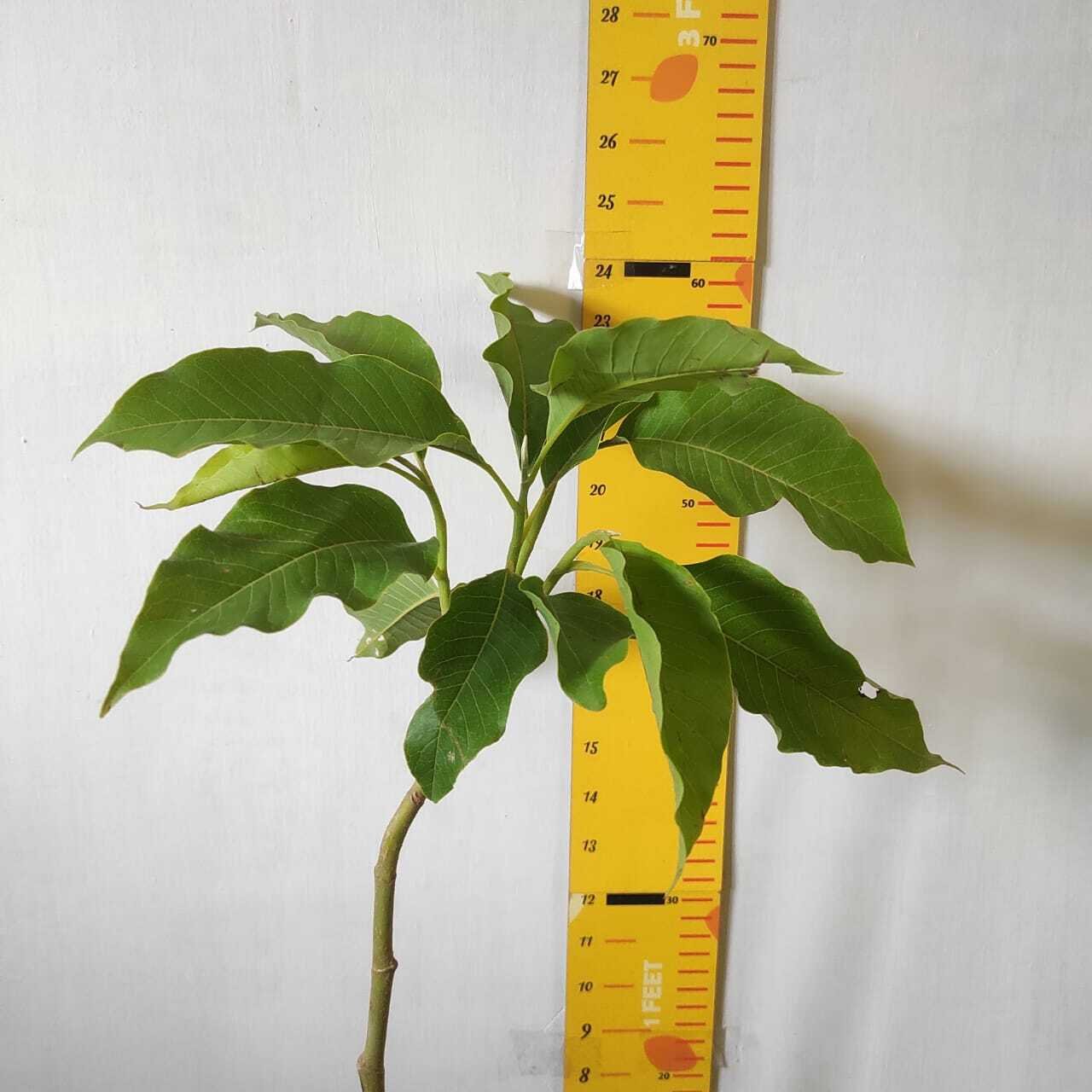
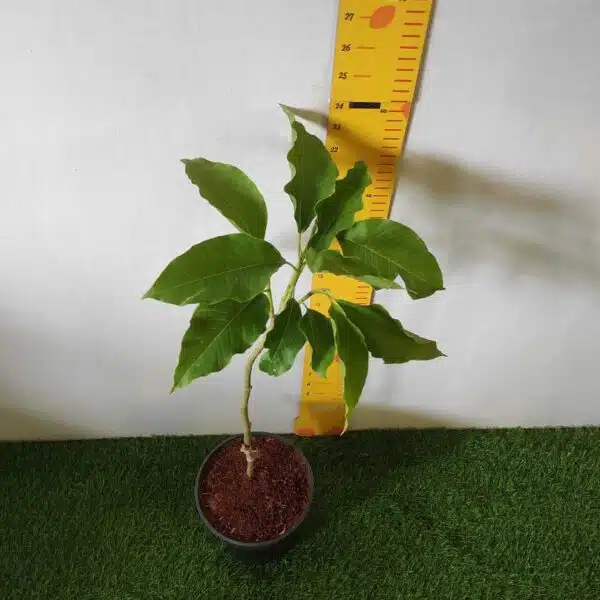
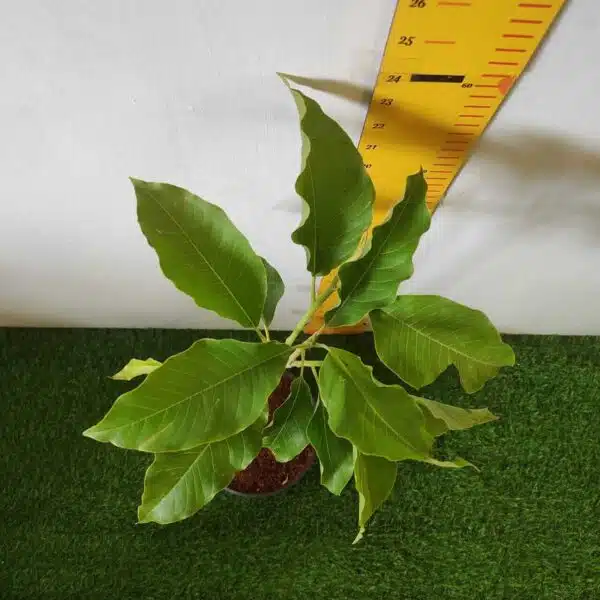
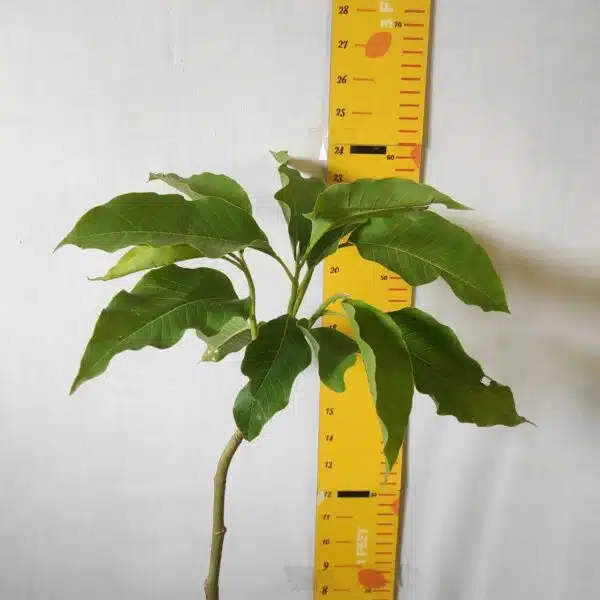
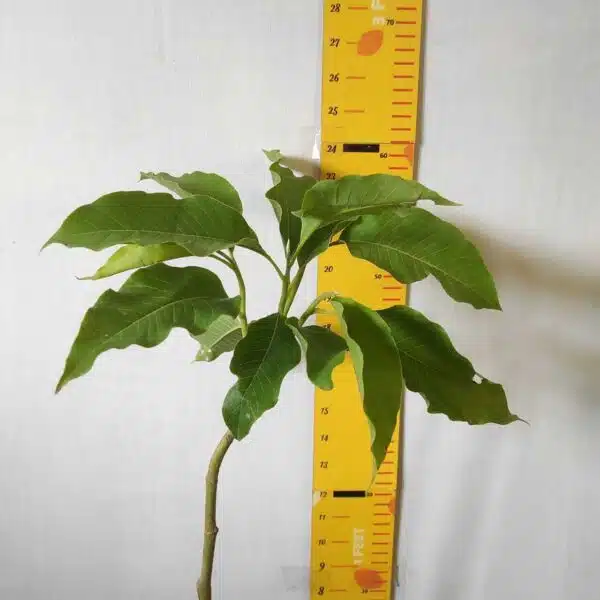
Height: 30–60 cm
Pot Size: 6-inch nursery pot
Stage: Grafted young plant, established
🌿 After 2 Years:
Height: 100–180 cm
Spread: 60–100 cm
Growth Rate: Medium to fast
🌳 Fully Grown (in ground):
Height: 10–20 m (in ground); 2–4 m manageable in large pots
Spread: 4–8 m
Time to First Bloom: 1–2 years (grafted); 8–12 years (seedling)
📌 Space Needed:
Minimum Pot Size: 18–24 inch terracotta or concrete pot
Garden Spacing: 4–6 m from other trees or structures
━━━━━━━━━━━━━━━━━━━━━━━━━━━━━━━━━━━━━
📅 Seasonal Availability & Behaviour
━━━━━━━━━━━━━━━━━━━━━━━━━━━━━━━━━━━━━
🌸 Spring (Mar – May): First major flowering flush of the year. Intensely fragrant golden-yellow blooms appear in clusters on branch tips.
☀️ Summer (Jun – Aug): Second flowering flush. Growth is vigorous in warm, humid conditions. Regular watering essential. Flowers continue through the monsoon season.
🍂 Autumn (Sep – Nov): Third flowering flush possible in warm locations. Growth slows slightly. Ideal time for light fertilizing and mulching.
❄️ Winter (Dec – Feb): Reduced flowering in cooler regions; continues blooming in warm tropical areas (Kerala, Tamil Nadu coast). Protect from frost in northern hill stations.
🛒 Best Time to Buy & Plant: March to July — during warm growing season when the plant establishes fastest.
━━━━━━━━━━━━━━━━━━━━━━━━━━━━━━━━━━━━━
🌍 Climate Zone Compatibility
━━━━━━━━━━━━━━━━━━━━━━━━━━━━━━━━━━━━━
✅ Tropical Cities (thrives — summer max 33–38°C with humidity): Mumbai, Kochi, Goa, Chennai, Bhubaneswar, Kolkata — ideal; flowers multiple times a year
✅ Warm Subtropical Cities (grows excellently — summer max 33–40°C): Bangalore, Pune, Hyderabad, Nagpur, Ahmedabad, Bhopal — excellent growth and flowering
✅ Semi-Arid Cities (grows well — summer max 38–43°C): Jaipur, Delhi, Lucknow, Indore, Surat — grows well with regular watering and mulching
⚠️ Hot Arid Cities (marginal — summer max 43–48°C): Jodhpur, Bikaner, Jaisalmer — survives but needs heavy mulching and consistent irrigation
✅ Cool Subtropical Cities (summer max 28–33°C): Dehradun, Shillong, Guwahati — grows and flowers well
❌ Alpine/Cold Hill Stations (not suitable — winter below 5°C): Shimla, Manali, Srinagar, Leh — sustained frost will damage or kill the plant
━━━━━━━━━━━━━━━━━━━━━━━━━━━━━━━━━━━━━
🏠 Perfect For
━━━━━━━━━━━━━━━━━━━━━━━━━━━━━━━━━━━━━
👤 Who: Fragrance lovers, garden enthusiasts, devotees who use Champaka for pooja and garlands, terrace gardeners
📍 Where: Garden lawns, temple gardens, terrace pots, fragrant garden corners, avenue planting
🎯 Why: Extraordinary fragrance, multiple flowering flushes per year, spiritual significance, and grafted early-blooming advantage
━━━━━━━━━━━━━━━━━━━━━━━━━━━━━━━━━━━━━
📦 What You Get
━━━━━━━━━━━━━━━━━━━━━━━━━━━━━━━━━━━━━
- 1 healthy grafted Yellow Champaka (Magnolia champaca) plant
- Carefully packed for safe delivery across India
- Grafted plant — guarantees early and reliable flowering
- Free plant care guide
- 100% healthy plant guarantee
━━━━━━━━━━━━━━━━━━━━━━━━━━━━━━━━━━━━━
❓ Frequently Asked Questions
━━━━━━━━━━━━━━━━━━━━━━━━━━━━━━━━━━━━━
Q: What is the difference between a grafted Champaka and a seedling?
A: A grafted Champaka flowers within 1–2 years of purchase. A seedling-grown Champaka can take 8–12 years to produce its first bloom. Our grafted plants are propagated from proven flowering mother trees, guaranteeing both early flowering and true-to-type golden-yellow blooms.
Q: Can I grow Champaka in a pot on a terrace?
A: Yes — in an 18–24 inch deep concrete or terracotta pot. Prune annually to control size. It will flower happily in a large pot in full sun.
Q: How often does it flower?
A: In warm tropical and subtropical climates, Champaka can flower 3–4 times a year. In cooler regions, it typically flowers 1–2 times annually, primarily in spring and summer.
Q: Is this plant suitable for Delhi’s climate?
A: Yes, Champaka grows and flowers well in Delhi. It needs protection from frost in December–January and generous watering in peak summer. Plant in full sun with good drainage.
Q: How strong is the fragrance?
A: The fragrance of Champaka is extraordinarily powerful — a single flowering tree can scent an entire garden. It is one of the strongest natural flower fragrances in Asia.
Q: Does it need special soil?
A: Well-draining, fertile loamy soil with compost. pH 6.0–7.0. Avoid waterlogged soil. Mulching in summer is highly recommended.
Q: Will the plant survive shipping?
A: Yes. We use special packaging for woody plants. Plant immediately upon arrival and water well.
Q: What if my plant arrives damaged?
A: 100% replacement guarantee. Email support@plantshub.in with a photo within 24 hours of delivery.
Q: Can I use Champaka flowers for pooja?
A: Absolutely — Champaka flowers are among the most sacred in Hindu, Buddhist, and Jain traditions. They are commonly used in temple offerings, garlands, and hair decoration.
Q: Does it need a lot of water?
A: Moderate to regular watering in summer (2–3 times a week). Once established with a strong root system, it becomes reasonably drought-tolerant. Never waterlog.




Reviews
There are no reviews yet