













How to Choose and Care for Lucky Plants to Enhance Home Vastu

Remember that feeling? You walk into a home, and it just feels right. The air is calm, the light is soft, and a sense of quiet well-being settles over you. Often, that magic isn’t an accident. It’s a space in harmony. For centuries, Vastu Shastra has been the guide for creating this balance, and today, we’re merging that ancient wisdom with a modern urban reality: the living, breathing power of lucky plants.
Choosing the right green companion isn’t just about picking a pretty leaf. It’s a deliberate act of shaping your home’s energy. A misplaced plant is just decor. A well-chosen, well-cared-for plant becomes an active participant in your environment. This guide cuts through the clutter. You’ll learn which specific plants are believed to attract which energies, exactly where to place them for maximum effect, and crucially, how to keep them thriving. A dead plant helps no one’s Vastu.
The Philosophy is in the Placement
Vastu is fundamentally about direction and elements. Plants, being living representatives of the earth element, have a potent role. The goal is to enhance positive energy flow, or prana, and reduce negative influences. Think of it not as superstition, but as intentional spatial psychology. Where you place a living thing matters.
A common thread in Vastu advice is the northeast direction. This is the corner of water and spiritual development that is believed to be an extremely receptive corner. Healthy plants here are reported to enhance favorable energies. On the contrary, the southwest, which symbolizes stability and earth equally requires the opposite sometimes less greenery. It has nothing to do with good or bad directions, but rather fits the nature of the plant with the purpose of the zone.
Your Shortlist of Lucky Plants for Home
Forget an overwhelming catalog. These are the proven performers, both in Vastu tradition and in their ability to survive your actual living room. They are the resilient classics.
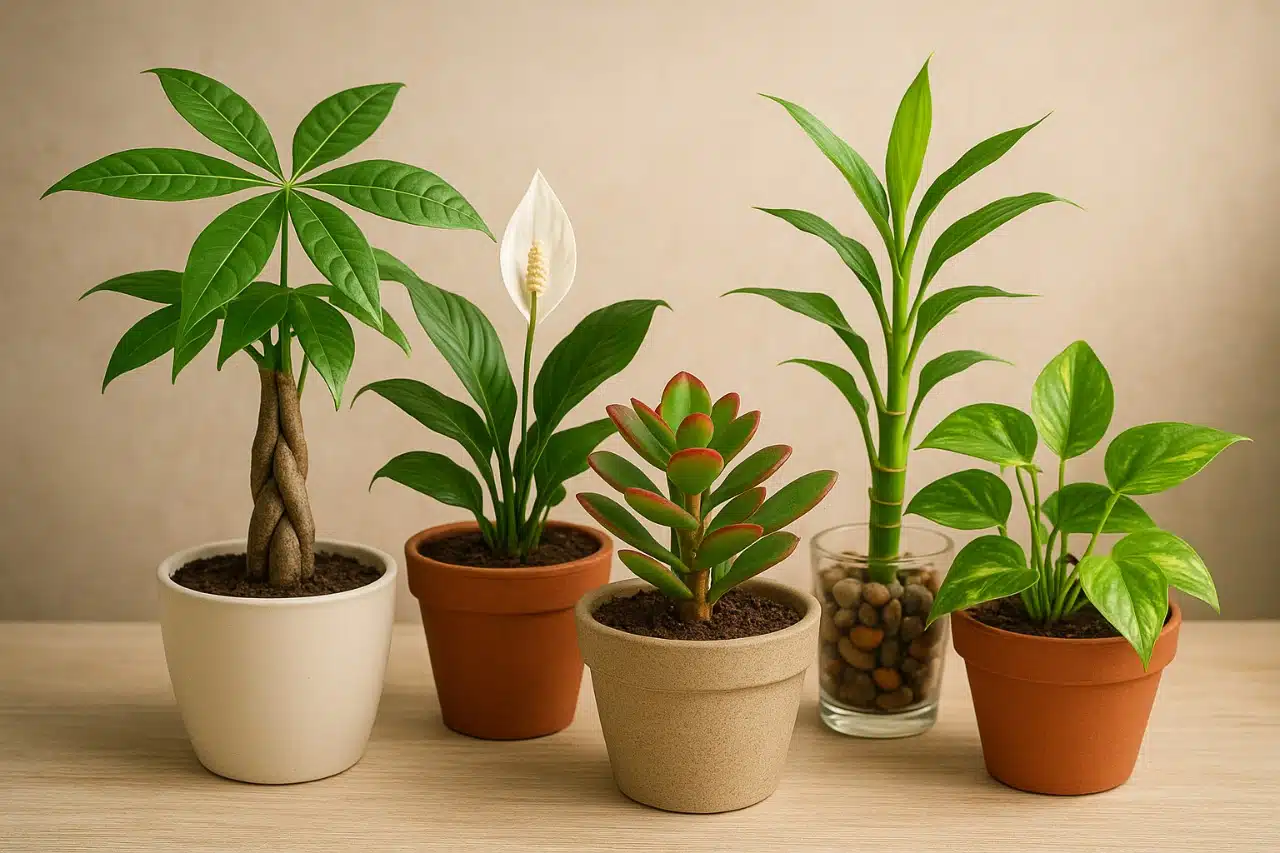
- The Money Plant (Epipremnum aureum): The undisputed champion. Its name says it all. Believed to invite wealth and prosperity. Its downward-growing vines are key. Place it in the southeast (the zone of fire, associated with wealth) or the northeast. Let it cascade from a shelf. Keep its leaves clean. A thriving Money Plant is a classic signal of positive energy.
- The Holy Basil (Tulsi): More than a plant, it’s a revered purifier. Tulsi is said to protect the home and bring spiritual purity. It emits oxygen at night and is known for its medicinal properties. The north, east, or northeast direction is ideal, and it needs good sunlight. For many, caring for Tulsi is a daily ritual, a tiny anchor of mindfulness.
- The Jade Plant (Crassula ovata): Often called the Lucky Jade, its round, coin-shaped leaves symbolize growth and renewal. It’s a succulent, so it’s tough. Place it near the entrance of your home or in a southeast-facing window to welcome prosperity. Its slow, steady growth mirrors the gradual accumulation of good fortune.
- The Peace Lily (Spathiphyllum): A powerful dual-action plant. It’s a top air-purifier, removing toxins, and its white blooms are associated with peace and harmony. It’s excellent for the northeast or in bedrooms to promote calm. It will tell you when it’s thirsty by drooping slightly, a forgiving trait for beginners.
- The Areca Palm: This is the volume knob for positive energy. A large, healthy Areca Palm in the living room’s east or southeast corner is believed to magnify good vibes throughout the home. It’s also a humidifier, great for dry urban apartments. It makes a statement.

Care is Non-Negotiable: Your Vastu Depends on It
Here’s the truth no one says loudly enough: A sick or dying plant is considered to have the opposite effect in Vastu. It symbolizes stagnancy. Your intention must extend beyond purchase. You are now a plant parent. Follow this simple, non-negotiable checklist:
1. Light First: Match the plant to your light. A Tulsi needs a sunny balcony. A Money Plant thrives in indirect light. Wrong light equals a slow death.
2. Water with Sense: Overwatering kills more plants than anything. Check the soil. For most lucky plants, the top inch should dry out before you water again. When you do, water thoroughly until it drains out the bottom.
3. Talk to Them: It sounds silly, but it works. A weekly check-in where you wipe dust off leaves, check for pests, and prune a yellowing leaf builds a connection. You notice changes before they become problems.
4. The Repotting Rhythm: A root-bound plant stops growing. Every couple of years, move it to a pot just one size larger with fresh potting mix. This gives it new energy, literally and symbolically.
A Glossy New Leaf is the Only Vastu Update You’ll Ever Need
Choosing and caring for lucky plants is a practice. It’s a small, daily engagement with nature inside your home. It forces you to observe, to be patient, to nurture. The Vastu benefit isn’t just in the folklore attached to the plant. It’s in the act of creating and sustaining life in your personal space. The focus, the care, and the resulting vitality become the real sources of positive energy.
Start with one. Maybe the resilient Money Plant. Place it with intention. Watch it. Learn its language. When it pushes out a new, glossy green leaf, that’s your first tangible result. That’s your home’s energy growing, literally.
Looking for a healthy, vibrant start? The right plant, chosen well, makes all the difference. Plantshub delivers carefully selected, robust specimens right to your door so that you can focus on the care, not the chase. Which energy will you invite in first?

