



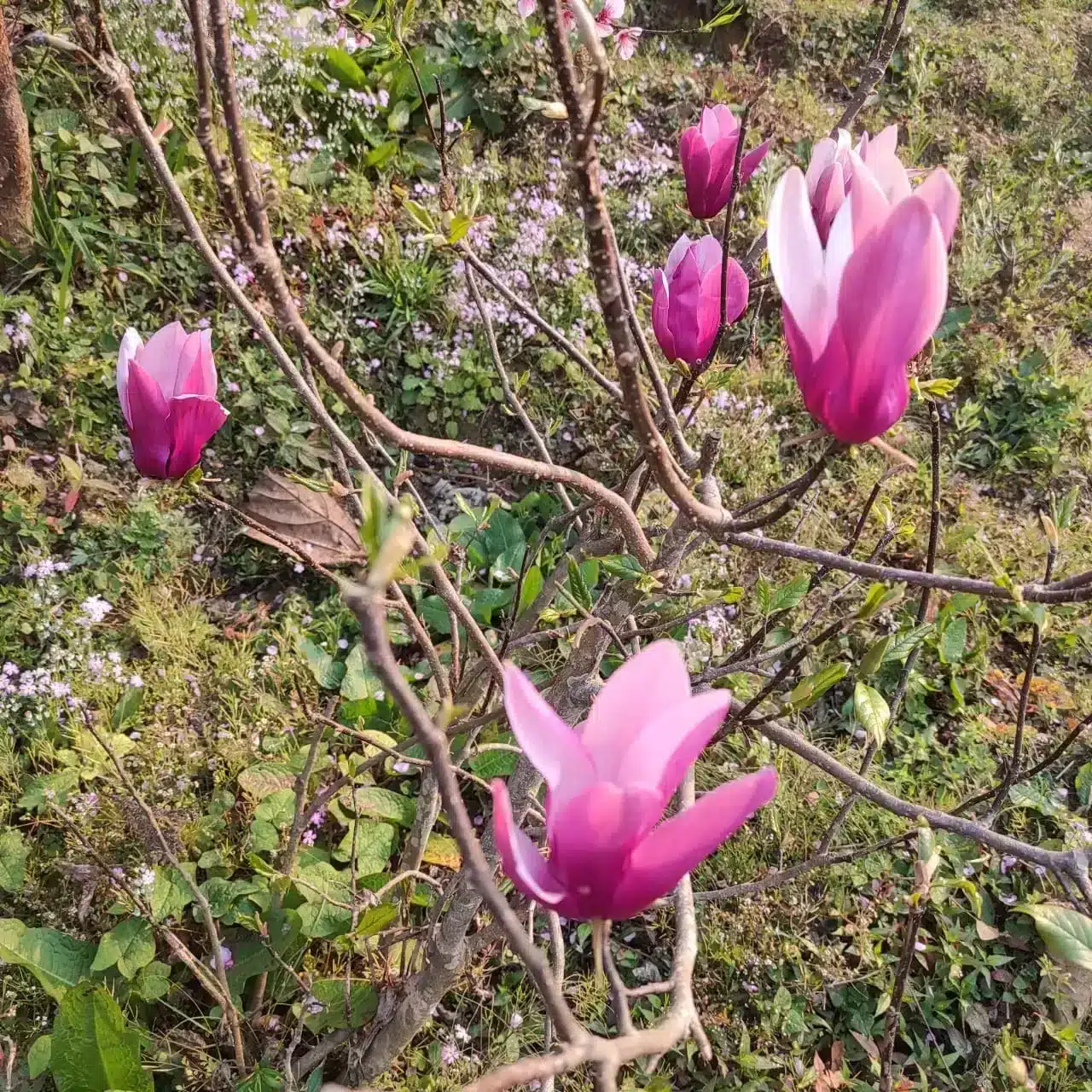


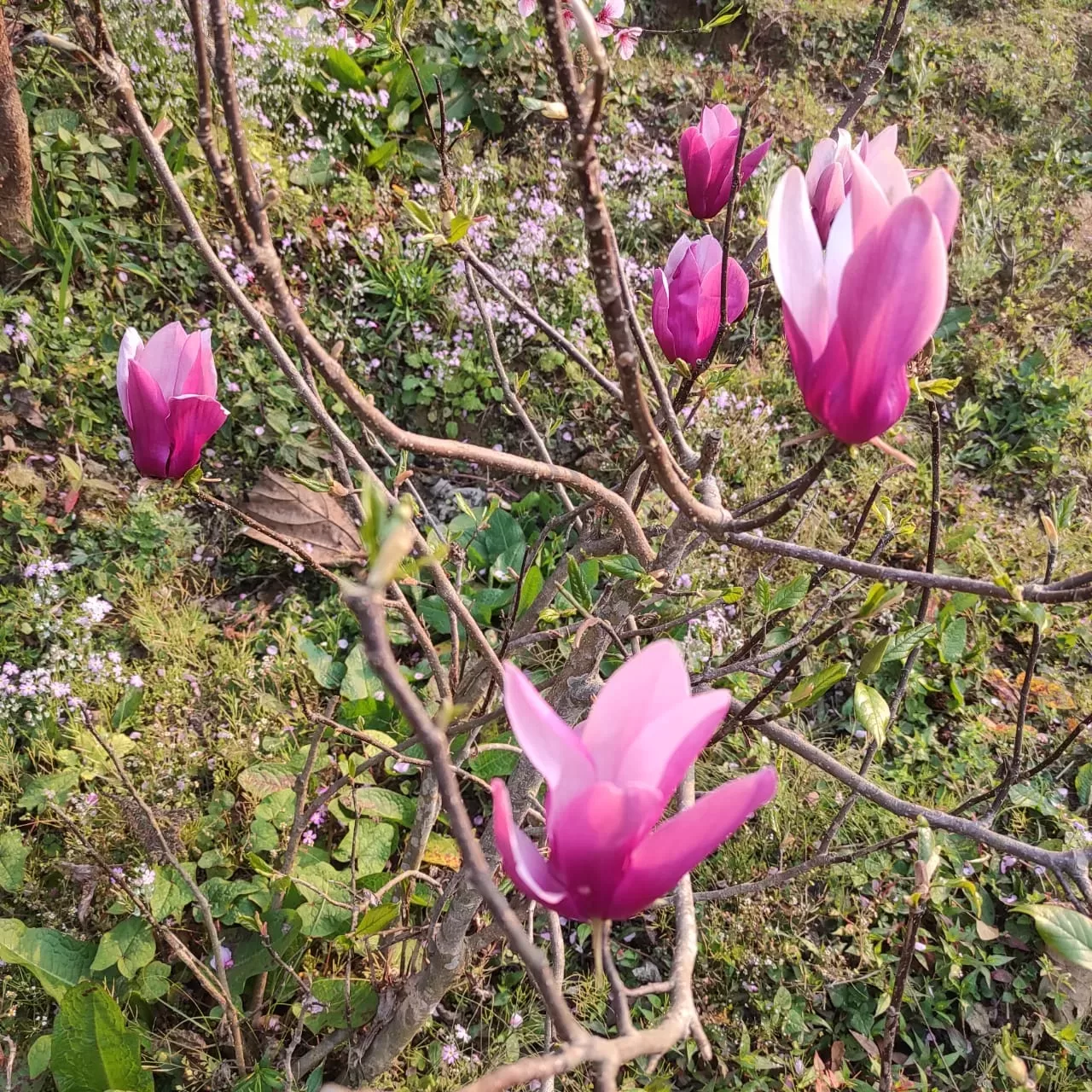
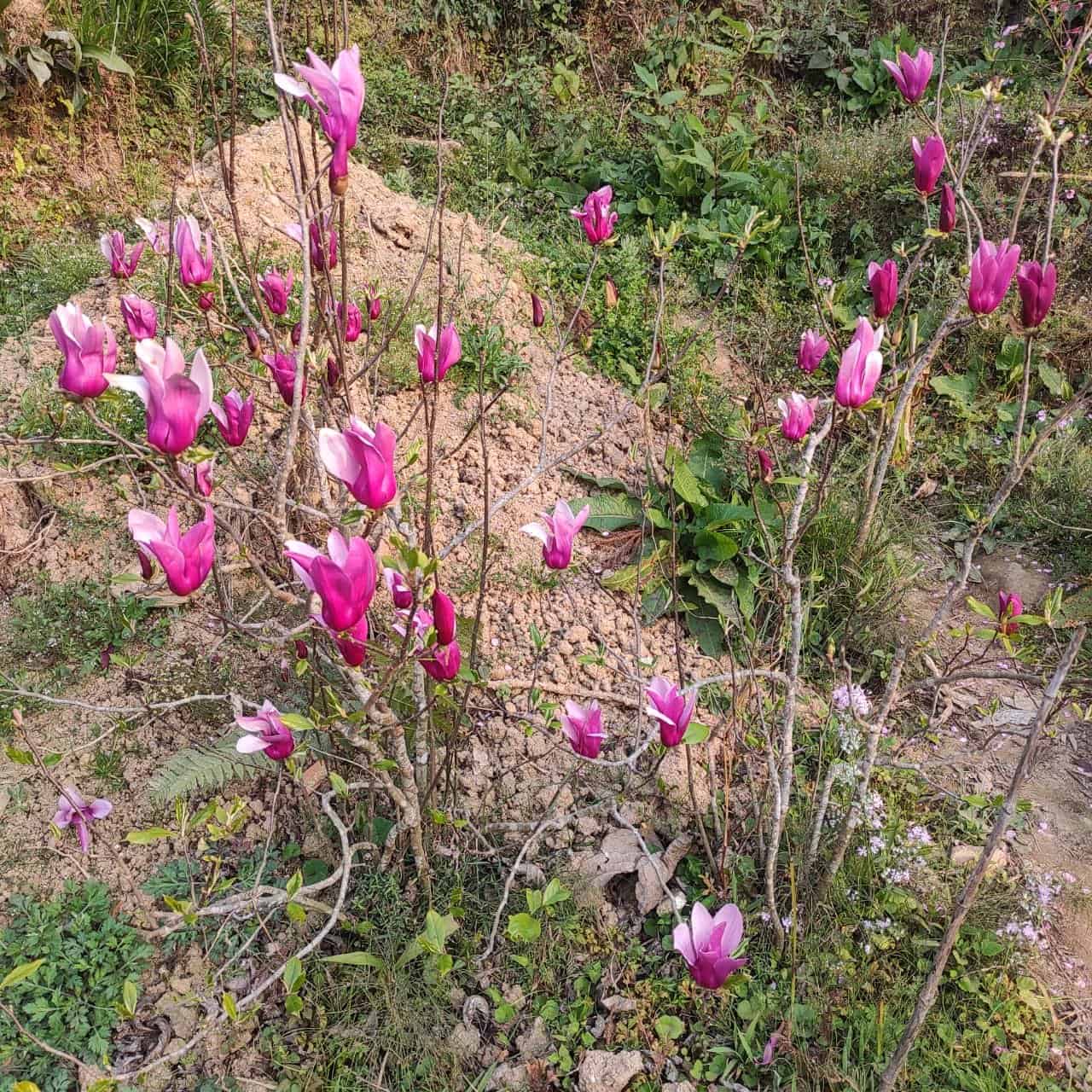
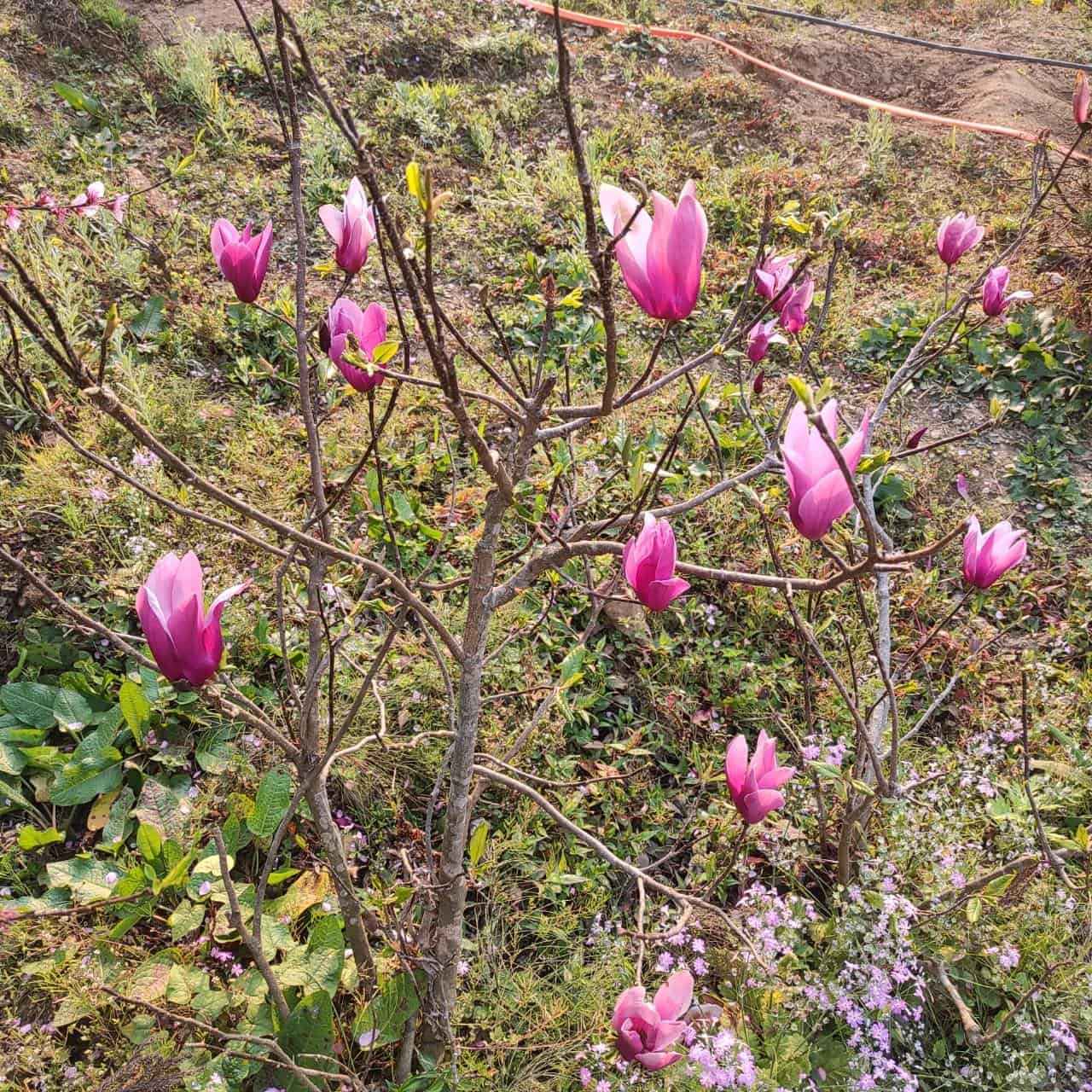
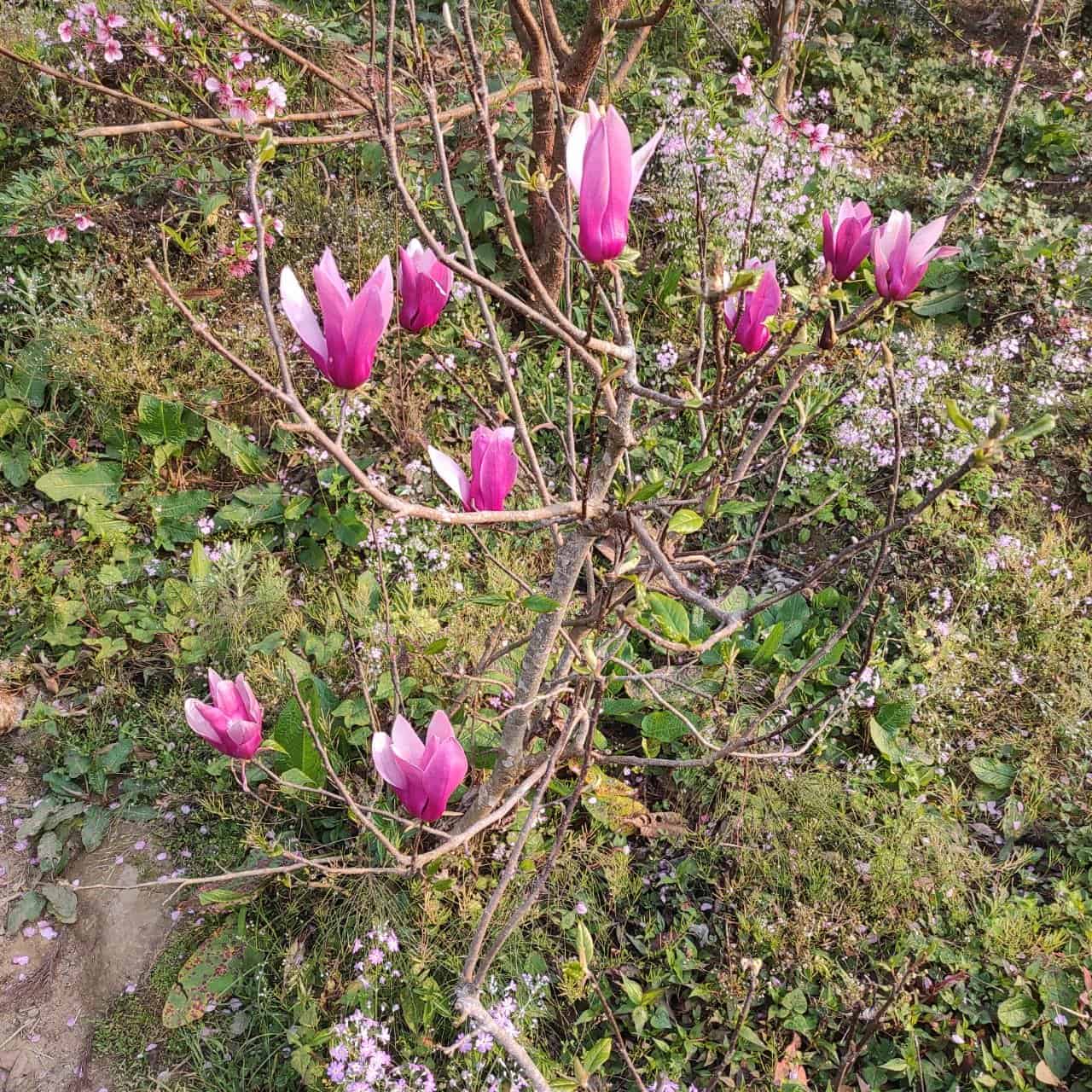
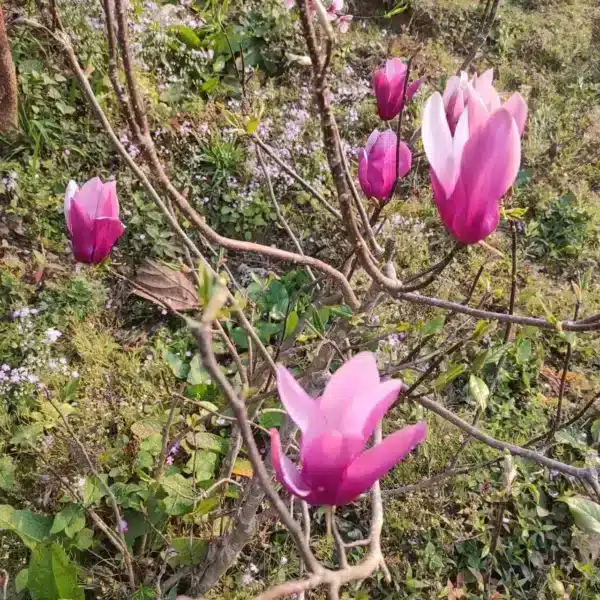


Magnolia Liliiflora Obovata Purpurea (Purple)
₹599.00

30 Days Replacement & Refund Guarantee
🌱 Bought for the right climate zone? You're fully covered with our 30-day replacement & refund guarantee!
- 💜 Elegant tulip-shaped blooms in rich purplish-pink — fragrant, blooms before leaves in early spring & intermittently through summer
- ☀️ Full sun to partial shade — needs at least 5–6 hours of direct sunlight for best flowering
- 💧 Water deeply once every 5–7 days; reduce in winter dormancy; never waterlog
- 🏡 Perfect for small to medium gardens, terrace pots, shrub borders & cool-climate feature planting
- 🌡️ Best for cool-to-mild Indian climate (5–30°C); ideal for Shimla, Ooty, Nainital, Srinagar & similar
- 📏 Compact shrub-like tree 2–4 m tall — perfect size for smaller mountain gardens & terrace planting
- 📦 1 healthy Magnolia Liliiflora Purpurea plant in nursery pot
₹599.00
Description
━━━━━━━━━━━━━━━━━━━━━━━━━━━━━━━━━━━━━
🎁 GIFTING BADGE
━━━━━━━━━━━━━━━━━━━━━━━━━━━━━━━━━━━━━
🎁 Perfect Gift For:
✔ Housewarming ✔ Birthday
✔ Anniversary ✔ Garden Lovers
✔ Get Well Soon ✔ Festival Gift
━━━━━━━━━━━━━━━━━━━━━━━━━━━━━━━━━━━━━
About This Plant
━━━━━━━━━━━━━━━━━━━━━━━━━━━━━━━━━━━━━
Magnolia liliiflora ‘Purpurea’ (Obovata Purpurea) is a compact, deciduous Magnolia shrub-tree of great charm and beauty — one of the most free-flowering and reliably purple-blooming Magnolias available. It produces elegant, upright, tulip-shaped flowers of rich purplish-pink — deep violet-purple on the outside and soft rosy-pink on the inside — that appear in profusion on bare branches in early spring before the leaves emerge, and then continue to flower intermittently throughout the spring and summer months. Unlike the large Saucer Magnolia, liliiflora is a more compact, multi-stemmed shrub-like tree that fits beautifully into smaller gardens, shaded borders, terrace containers, and mixed shrub plantings. The flowers are lightly fragrant and richly coloured, attracting butterflies and hummingbirds where they occur. In India, it thrives in the cool highlands of Himachal Pradesh, Uttarakhand, Jammu & Kashmir, and the Nilgiri hills — one of the most rewarding and free-flowering compact Magnolias for India’s hill-station gardens.
━━━━━━━━━━━━━━━━━━━━━━━━━━━━━━━━━━━━━
✨ Key Benefits
━━━━━━━━━━━━━━━━━━━━━━━━━━━━━━━━━━━━━
- 💜 Rich purplish-pink tulip-shaped blooms — deep violet outside, rosy-pink inside — exceptionally free-flowering
- 🌳 Compact shrub-tree (2–4 m) — perfect for smaller mountain gardens, terrace pots & shrub borders
- 🍂 Extended blooming season — flowers in early spring on bare branches, then intermittently through summer
- 🦋 Attracts butterflies and birds — a living garden ecosystem feature
- ✅ Low-maintenance once established — reliably free-blooming, long-lived, and very ornamental
━━━━━━━━━━━━━━━━━━━━━━━━━━━━━━━━━━━━━
🌿 Care Instructions
━━━━━━━━━━━━━━━━━━━━━━━━━━━━━━━━━━━━━
☀️ Sunlight: Full sun to partial shade — at least 5–6 hours of direct morning sun for best flowering. Afternoon shade in warmer hill stations during summer is beneficial.
💧 Watering: Deeply once every 5–7 days during the growing season; reduce to once every 10–14 days in winter dormancy. Never allow roots to sit in waterlogged soil.
🪴 Soil Composition: Slightly acidic, humus-rich, moisture-retentive yet well-draining soil. Best mix: garden loam + leaf compost + coarse river sand + perlite (2:2:1:1). Target pH 5.5–6.5. Mulch the root zone generously (5–8 cm) with dry leaves or bark chips.
🌡️ Temperature: 5–30°C ideal; tolerates frost when dormant; does not thrive where summer temperatures consistently exceed 35°C.
🧪 Fertilizer: Slow-release balanced fertilizer in early spring before bud break; supplement with well-rotted leaf compost in autumn. Avoid high-nitrogen feeds which reduce flowering.
✂️ Pruning: Minimal — only after the main spring flowering flush. Remove dead or crossing branches. Can be lightly shaped to maintain preferred size and form.
━━━━━━━━━━━━━━━━━━━━━━━━━━━━━━━━━━━━━
📏 Size Guide
━━━━━━━━━━━━━━━━━━━━━━━━━━━━━━━━━━━━━
🌱 At Delivery:
Height: 30–60 cm
Pot Size: 6–8 inch nursery pot
Stage: Young, established sapling
🌿 After 2 Years:
Height: 80–130 cm
Spread: 60–90 cm
Growth Rate: Slow to medium
🌳 Fully Grown:
Height: 2–4 m
Spread: 2–3 m
Time to First Bloom: 2–4 years from sapling
📌 Space Needed:
Minimum Pot Size: 18–24 inch terracotta or wooden pot
Garden Spacing: 2–3 m from other shrubs or structures
━━━━━━━━━━━━━━━━━━━━━━━━━━━━━━━━━━━━━
📅 Seasonal Availability & Behaviour
━━━━━━━━━━━━━━━━━━━━━━━━━━━━━━━━━━━━━
🌸 Late Winter / Early Spring (Feb – Apr): Main flowering season. Rich purplish-pink tulip blooms appear on bare branches. Continued intermittent flowering through spring.
🌿 Spring / Summer (Apr – Aug): Fresh leaves emerge. Intermittent flowering continues. Maintain regular watering. Good time for fertilizing.
🍂 Autumn (Sep – Nov): Leaves colour and drop. Reduce watering. Apply mulch around root zone. Flower buds for next season begin forming.
❄️ Winter (Dec – Jan): Fully dormant — bare branches with small flower buds visible. No fertilizing. Cold dormancy essential for spring bloom.
🛒 Best Time to Buy & Plant: March to May (post main flowering flush) or September to October.
━━━━━━━━━━━━━━━━━━━━━━━━━━━━━━━━━━━━━
🌍 Climate Zone Compatibility
━━━━━━━━━━━━━━━━━━━━━━━━━━━━━━━━━━━━━
✅ Cold Cities (thrives — summer max below 20°C): Leh, Kargil, Tawang, Spiti — blooms reliably
✅ Semi-Temperate Cities (grows well — summer max 20–28°C): Shimla, Manali, Mussoorie, Ooty, Kodaikanal, Shillong, Munnar — excellent blooming
✅ Temperate Cities (best growth & flowering — summer max 25–32°C): Aizawl, Nainital, Dharamsala, Srinagar — ideal conditions with cold winters for dormancy
⚠️ Subtropical Cities (marginal — summer max 33–38°C): Dehradun, Bangalore, Pune, Guwahati — plant survives but flowering may be inconsistent; needs afternoon shade
❌ Tropical & Hot Cities (not suitable): Mumbai, Chennai, Kolkata, Delhi, Hyderabad, Jaipur — insufficient cold dormancy for reliable flowering
━━━━━━━━━━━━━━━━━━━━━━━━━━━━━━━━━━━━━
🏠 Perfect For
━━━━━━━━━━━━━━━━━━━━━━━━━━━━━━━━━━━━━
👤 Who: Hill-station homeowners with smaller gardens, plant collectors, cool-climate garden enthusiasts, terrace gardeners
📍 Where: Smaller mountain gardens, terrace feature pots, mixed shrub borders, shaded garden corners
🎯 Why: Rich purple flowers, compact size, extended blooming season, and easy management compared to larger Magnolias
━━━━━━━━━━━━━━━━━━━━━━━━━━━━━━━━━━━━━
📦 What You Get
━━━━━━━━━━━━━━━━━━━━━━━━━━━━━━━━━━━━━
- 1 healthy Magnolia Liliiflora Obovata Purpurea sapling
- Carefully packed for safe delivery to cool-climate destinations
- Nursery grown in controlled cool-climate conditions
- Free plant care guide
- 100% healthy plant guarantee
━━━━━━━━━━━━━━━━━━━━━━━━━━━━━━━━━━━━━
❓ Frequently Asked Questions
━━━━━━━━━━━━━━━━━━━━━━━━━━━━━━━━━━━━━
Q: Can I grow Magnolia Liliiflora in Delhi or Mumbai?
A: Not recommended for reliable flowering. Needs cold winter dormancy to set buds. Best suited to Shimla, Manali, Ooty, Nainital, Shillong, Srinagar and similar hill-station locations.
Q: How often does it bloom?
A: It has a main spring flowering flush on bare branches, then continues to produce flowers intermittently through spring and summer — giving a much longer flowering season than single-flush Magnolias.
Q: Does it lose its leaves?
A: Yes — Magnolia liliiflora is deciduous. It drops leaves in autumn. The purple flowers appear on bare branches in spring before the new leaves emerge.
Q: What soil does it need?
A: Slightly acidic, humus-rich, well-draining soil with pH 5.5–6.5. Garden loam + leaf compost + coarse sand + perlite. Mulching strongly recommended.
Q: How much sun does it need?
A: At least 5–6 hours of direct morning sun. Afternoon shade in warmer hill stations during summer.
Q: Can I grow it in a pot?
A: Yes — its compact size makes it ideal for 18–24 inch pots. One of the best Magnolias for terrace container growing.
Q: Will the plant survive shipping?
A: Yes. Special packaging for woody saplings. We recommend planting immediately upon arrival.
Q: What if my plant arrives damaged?
A: 100% replacement guarantee. Email [email protected] with a photo within 24 hours.
Q: Are the flowers fragrant?
A: Yes — the flowers have a light, sweet floral fragrance.
Q: Does it need a lot of water?
A: Deep infrequent watering (once every 5–7 days). Never waterlog — good drainage is essential.
Care & Guide
 Height

| HeightPlants height without pot height | 10-12 Inches, 14-16 Inches, 18-20 Inches, 22-24 Inches |
|---|
Placement

| Climate Zone | Cold Alpine (Min -20°C to Max 20°C), Cold Hills (Min 1°C to Max 25°C), Subtropical Hills (Min 5°C to Max 28°C) |
|---|---|
| HeightPlants height without pot height | 10-12 Inches, 14-16 Inches, 18-20 Inches, 22-24 Inches |
Humidity

| Climate Zone | Cold Alpine (Min -20°C to Max 20°C), Cold Hills (Min 1°C to Max 25°C), Subtropical Hills (Min 5°C to Max 28°C) |
|---|---|
| HeightPlants height without pot height | 10-12 Inches, 14-16 Inches, 18-20 Inches, 22-24 Inches |
Soil pH

| Climate Zone | Cold Alpine (Min -20°C to Max 20°C), Cold Hills (Min 1°C to Max 25°C), Subtropical Hills (Min 5°C to Max 28°C) |
|---|---|
| HeightPlants height without pot height | 10-12 Inches, 14-16 Inches, 18-20 Inches, 22-24 Inches |
Fertilizer
| Weight | N/A |
|---|---|
| Climate Zone | Cold Alpine (Min -20°C to Max 20°C), Cold Hills (Min 1°C to Max 25°C), Subtropical Hills (Min 5°C to Max 28°C) |
| HeightPlants height without pot height | 10-12 Inches, 14-16 Inches, 18-20 Inches, 22-24 Inches |
Toxicity

| Climate Zone | Cold Alpine (Min -20°C to Max 20°C), Cold Hills (Min 1°C to Max 25°C), Subtropical Hills (Min 5°C to Max 28°C) |
|---|---|
| HeightPlants height without pot height | 10-12 Inches, 14-16 Inches, 18-20 Inches, 22-24 Inches |
Reviews
9 reviews for Magnolia Liliiflora Obovata Purpurea (Purple)
 Magnolia Liliiflora Obovata Purpurea (Purple)


 PEBBLES
 PLANTS GROWTH
 PLANTHING MATERIALS
All the plants came healthy. I am very happy with this purchase. Recommended everyone. ☺️
Nice
Healthy plant ❤️
Healthy plant recieved