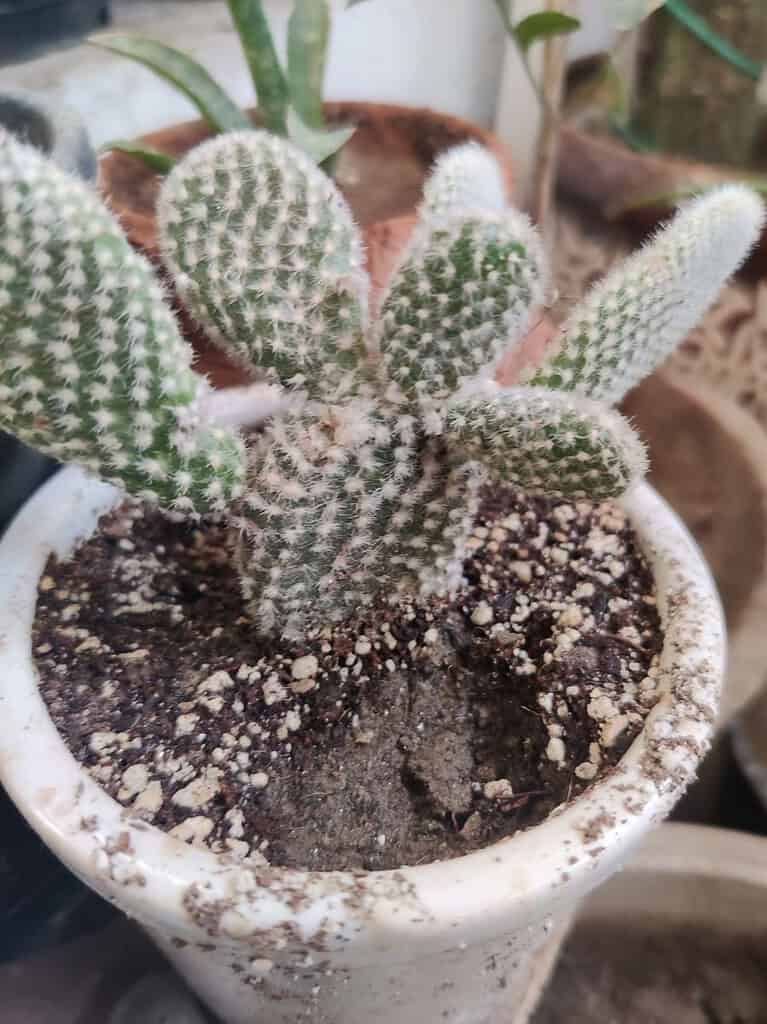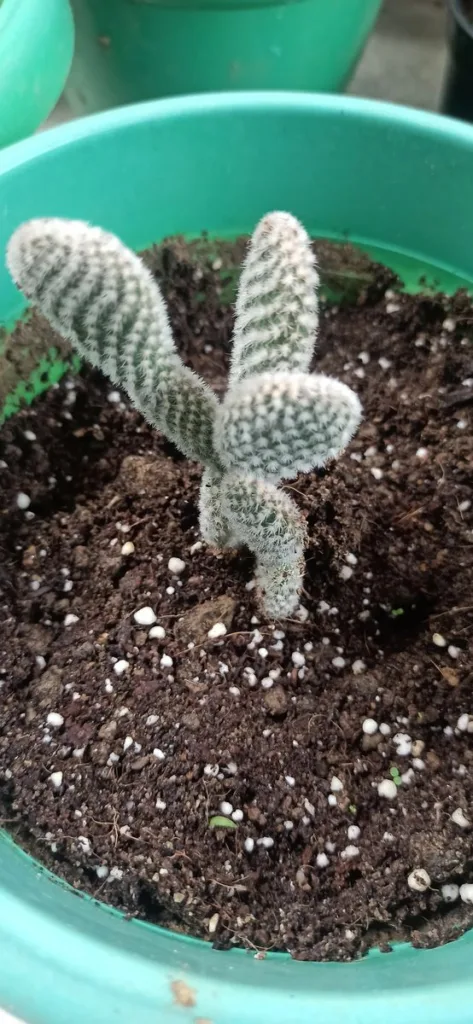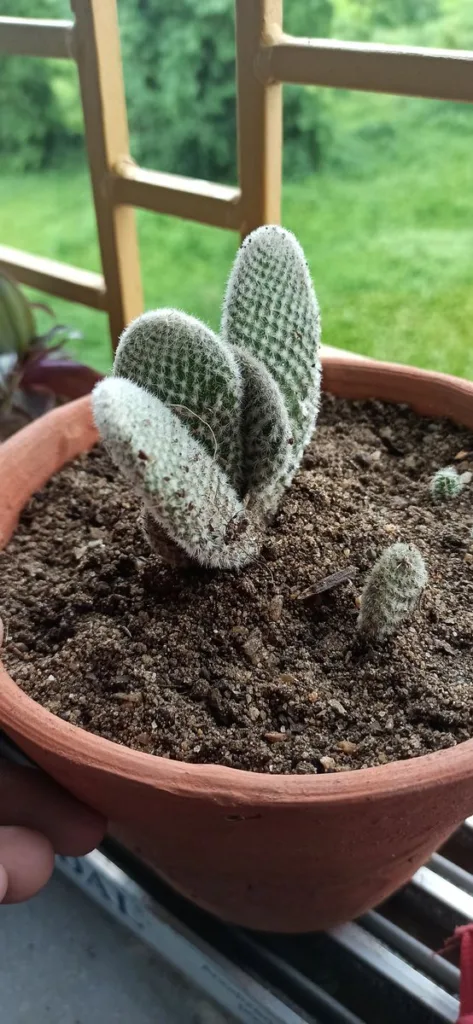






Opuntia microdasys var. albospina ‘White Bunny Ears’

99.00

Guarantee Icon

30 Days Replacement & Refund Guarantee

🌱 Bought for the right climate zone? You're fully covered with our 30-day replacement & refund guarantee!

  • 🌵 Iconic pad cactus with distinctive flat, paddle-shaped segments studded with colourful glochids and spines
  • ☀️ Full sun enthusiast — thrives in India’s hottest, driest conditions
  • 💧 Extreme drought tolerance — one of the most water-efficient plants in existence
  • 🌸 Produces large, showy yellow, orange or red flowers followed by edible fruit in mature plants
  • 🌡️ Adapts to a wide temperature range — from freezing hills to scorching desert plains
  • 🏜️ Perfect for xeriscaping, rock gardens, terrace borders and low-maintenance outdoor planting
170 People watching this product now!

99.00

In stock

In stock

Description

━━━━━━━━━━━━━━━━━━━━━━━━━━━━━━━━━━━━━
🎁 GIFTING BADGE
━━━━━━━━━━━━━━━━━━━━━━━━━━━━━━━━━━━━━

🎁 Perfect Gift For:
✔ Housewarming ✔ Birthday
✔ Anniversary ✔ Garden Gift
✔ Wedding Gift ✔ Festival Gift

━━━━━━━━━━━━━━━━━━━━━━━━━━━━━━━━━━━━━
About This Plant
━━━━━━━━━━━━━━━━━━━━━━━━━━━━━━━━━━━━━

Opuntia microdasys var. albospina ‘White Bunny Ears’ Opuntia is one of the most widely recognised cactus genera in the world, known for its distinctive flat, paddle-shaped stem segments (cladodes) armed with clusters of tiny barbed spines called glochids. Native to the Americas, Opuntias have naturalised across the globe and are prized for their resilience, ornamental appeal and utility — the pads and fruit of many species are edible. Bunny Ear Cactus (O. microdasys) with its polka-dot patterns of white or yellow glochids is one of the most popular ornamental varieties; the species O. ficus-indica is grown commercially for its fruit (prickly pear). In India, Opuntias thrive in dry, sunny conditions from Rajasthan to Tamil Nadu, making them perfect for xeriscaping and water-wise gardens.

━━━━━━━━━━━━━━━━━━━━━━━━━━━━━━━━━━━━━
Key Benefits
━━━━━━━━━━━━━━━━━━━━━━━━━━━━━━━━━━━━━

🌵 Iconic flat-pad form — instant desert character for any garden
☀️ One of the most heat and drought-resistant plants available
🌸 Produces large showy flowers and edible fruit on mature plants
🏜️ Perfect for xeriscaping and water-wise garden designs
✅ Very low maintenance — thrives on neglect
🌍 Naturally adapts to most Indian climate zones

━━━━━━━━━━━━━━━━━━━━━━━━━━━━━━━━━━━━━
🌿 Care Instructions
━━━━━━━━━━━━━━━━━━━━━━━━━━━━━━━━━━━━━

☀️ Sunlight: Full sun — minimum 6+ hours direct sunlight; excellent in outdoor Indian conditions
💧 Watering: Every 14–21 days in summer; once a month or less in winter — extremely drought-tolerant
🪴 Soil: Gritty, well-draining cactus mix; sandy loam acceptable; pH 6.0–8.0
🌡️ Temperature: 5–45°C; highly heat-tolerant; many species cold-hardy to −10°C
🧪 Fertilizer: Light application of cactus fertilizer once in spring only
✂️ Pruning: Remove pads with thick gloves; each pad can be propagated into a new plant

━━━━━━━━━━━━━━━━━━━━━━━━━━━━━━━━━━━━━
📏 Size Guide
━━━━━━━━━━━━━━━━━━━━━━━━━━━━━━━━━━━━━

🌱 At Delivery:
Height: 8–20 cm
Pot Size: 4–6 inch
Stage: Young established plant

🌿 After 1 Year:
Height: 20–40 cm
Spread: 20–30 cm
Growth Rate: Medium

🌳 Fully Grown:
Height: 30–150 cm
Spread: 60–200 cm
Time to Mature: 2–5 years

📌 Space Needed:
Minimum Pot Size: 10–12 inch (outdoors preferred)
Floor Space: 1–4 sq ft

━━━━━━━━━━━━━━━━━━━━━━━━━━━━━━━━━━━━━
📅 Seasonal Availability & Behaviour
━━━━━━━━━━━━━━━━━━━━━━━━━━━━━━━━━━━━━

🌸 Spring (Feb – Apr):
New pads emerge; some varieties produce flowers on outer pad edges. Light fertilize if desired.

☀️ Summer (May – Jun):
Fast growth — water every 2–3 weeks if needed; can thrive on rainfall alone in most Indian zones.

🌧️ Monsoon (Jul – Sep):
Most problematic period for Opuntias in high-rainfall zones — ensure sharp drainage; shelter container-grown plants.

🍂 Autumn (Oct – Nov):
Pads develop colour; fruit matures on older plants. Reduce watering.

❄️ Winter (Dec – Jan):
Dormancy in cold zones; very minimal watering. Very cold-hardy — survives down to −10°C in some species.

🛒 Best Time to Buy & Plant: Spring or early summer.

━━━━━━━━━━━━━━━━━━━━━━━━━━━━━━━━━━━━━
🌍 Climate Zone Compatibility
━━━━━━━━━━━━━━━━━━━━━━━━━━━━━━━━━━━━━

Cold hardiness: Down to −10°C (species-dependent)
Optimal growth temp: 20°C – 40°C
Heat stress above: 45°C+ (tolerates extreme heat)

✅ IDEAL ZONES — WILL GROW AND THRIVE RELIABLY
✅ Z4 — Subtropical Highland · Winter down to 0–8°C / Summer up to 33°C · Elevation 1,200–2,200m
✅ Z5 — Subtropical Monsoon · Winter 8–14°C / Summer up to 38°C · Elevation 50–600m · Monsoon 5–6 months
✅ Z6 — Subtropical Monsoon Highland · Winter 10–13°C / Summer up to 32°C · Elevation 800–1,400m
✅ Z7 — Humid Subtropical · Winter 8–15°C / Summer up to 42°C · Elevation 100–700m
✅ Z8 — Subtropical Semi-Arid · Winter 5–12°C / Summer up to 44°C · Elevation 10–200m · Dry season 7 months
✅ Z10 — Tropical Mid-Elevation Monsoon · Winter 9–15°C / Summer up to 38°C · Elevation 600–1,500m · Monsoon 6–7 months
✅ Z11 — Tropical Monsoon Coastal · Winter 14–24°C / Summer up to 38°C · Elevation 0–200m · Monsoon 5–6 months
✅ Z12 — Tropical Wet & Dry Savanna · Winter 11–17°C / Summer up to 40°C · Elevation 300–1,000m · Deccan Plateau
✅ Z13 — Tropical WDS Hot Interior · Winter 11–18°C / Summer up to 48°C · Elevation 200–700m · Summer scorching
✅ Z14 — Tropical Wet & Dry Savanna Coastal · Winter 17–22°C / Summer up to 42°C · Elevation 0–400m · Coastal
✅ Z15 — Tropical Semi-Arid · Winter 12–16°C / Summer up to 45°C · Elevation 450–600m
✅ Z16 — Subtropical Hot Semi-Arid Continental · Winter 4–13°C / Summer up to 48°C · Elevation 100–450m
✅ Z17 — Subtropical Hot Arid · Winter 5–12°C / Summer up to 50°C · Elevation 200–300m · True desert
✅ Z18 — Tropical Hot Semi-Arid · Winter 16–20°C / Summer up to 46°C · Elevation 300–800m · Rain shadow

⚠️ POSSIBLE — MAY GROW WITH EXTRA CARE
⚠️ Z3 — Subtropical Hills · Winter down to 3–8°C / Summer up to 28°C · Elevation 1,500–2,500m
⚠️ Z9 — Cool Tropical Highland · Winter 5–12°C / Summer up to 28°C · Elevation 1,600–2,500m · Nilgiri Hills

❌ NOT RECOMMENDED — UNSUITABLE CONDITIONS
❌ Z1 — Cold Alpine · Winter down to −20°C or below / Summer up to 20°C · Elevation 3,000–5,500m
❌ Z2 — Cold Hills · Winter down to 1–5°C / Summer up to 25°C · Elevation 1,800–3,000m

━━━━━━━━━━━━━━━━━━━━━━━━━━━━━━━━━━━━━
🏠 Perfect For
━━━━━━━━━━━━━━━━━━━━━━━━━━━━━━━━━━━━━

👤 Who: Xeriscaping enthusiasts, cactus collectors, outdoor gardeners, desert garden designers
📍 Where: Outdoor rock gardens, terrace borders, dry garden beds, containers with full sun
🎯 Why: Extreme drought tolerance, architectural interest, flowers and edible fruit

━━━━━━━━━━━━━━━━━━━━━━━━━━━━━━━━━━━━━
📦 What You Get
━━━━━━━━━━━━━━━━━━━━━━━━━━━━━━━━━━━━━

1 healthy Opuntia cactus in a nursery pot
Carefully packed for safe pan-India delivery
Free plant care guide
100% healthy plant guarantee

━━━━━━━━━━━━━━━━━━━━━━━━━━━━━━━━━━━━━
Frequently Asked Questions
━━━━━━━━━━━━━━━━━━━━━━━━━━━━━━━━━━━━━

Q: How do I handle Opuntia without getting hurt?
A: Use thick leather gloves or fold several layers of newspaper around the pad. Tongs also work well. The glochids (tiny barbed spines) are the real danger — remove with tweezers and tape.

Q: How do I propagate Opuntia?
A: Simply detach a healthy pad and let it callous for 2–3 days. Stand it upright in dry, gritty soil. Roots emerge in 2–4 weeks.

Q: How often should I water?
A: In summer, every 14–21 days. In winter, once a month or stop entirely. Opuntia is one of the most drought-tolerant plants in existence.

Q: Can I grow this in a pot?
A: Yes — use a large, wide container (10+ inches) with a drainage hole and very gritty soil mix.

Care & Guide

Fertilizer

Weight150 g

Reviews