━━━━━━━━━━━━━━━━━━━━━━━━━━━━━━━━━━━━━
🎁 GIFTING BADGE
━━━━━━━━━━━━━━━━━━━━━━━━━━━━━━━━━━━━━
🎁 Perfect Gift For:
✔ Housewarming ✔ Birthday
✔ Anniversary ✔ Garden Gift
✔ Wedding Gift ✔ Festival Gift
━━━━━━━━━━━━━━━━━━━━━━━━━━━━━━━━━━━━━
About This Plant
━━━━━━━━━━━━━━━━━━━━━━━━━━━━━━━━━━━━━
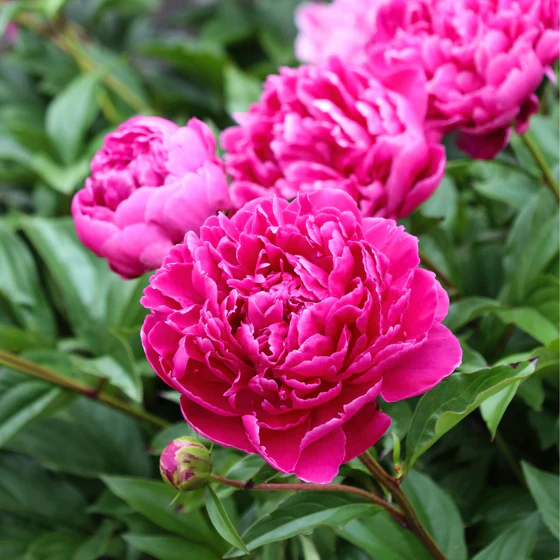
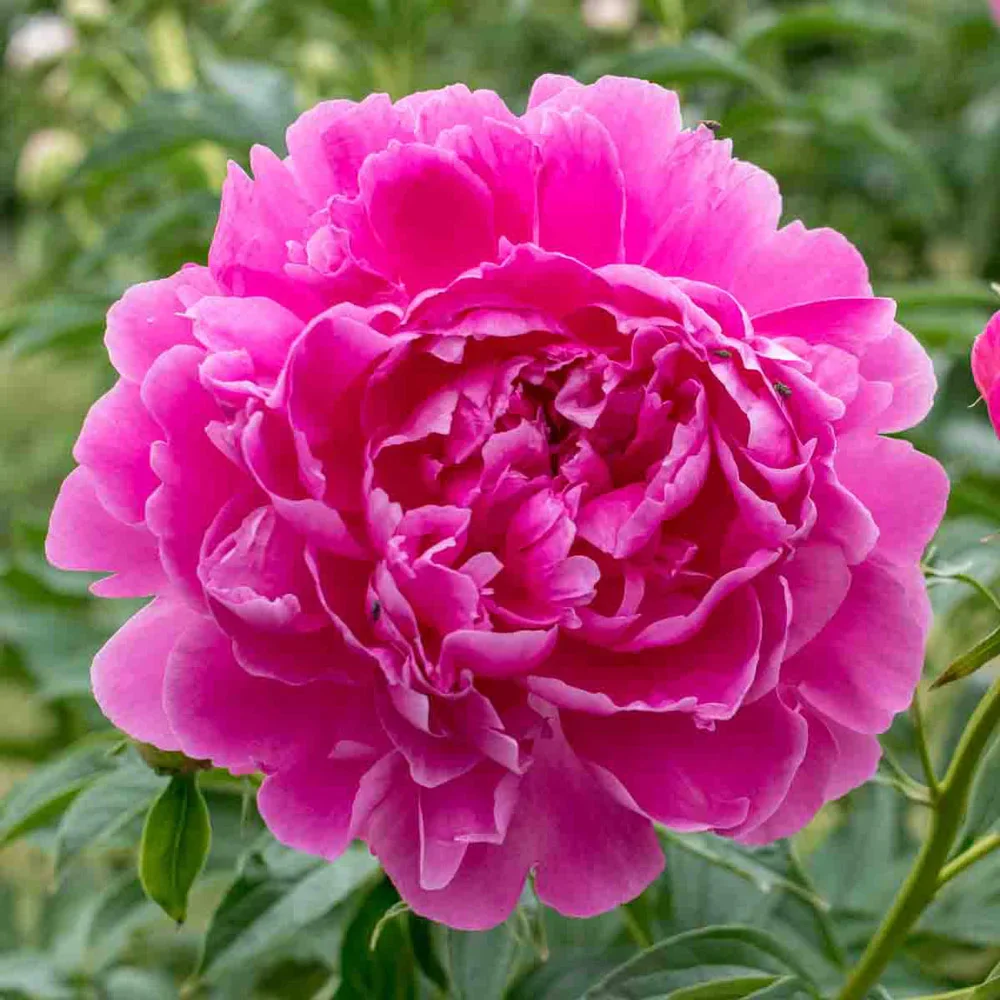
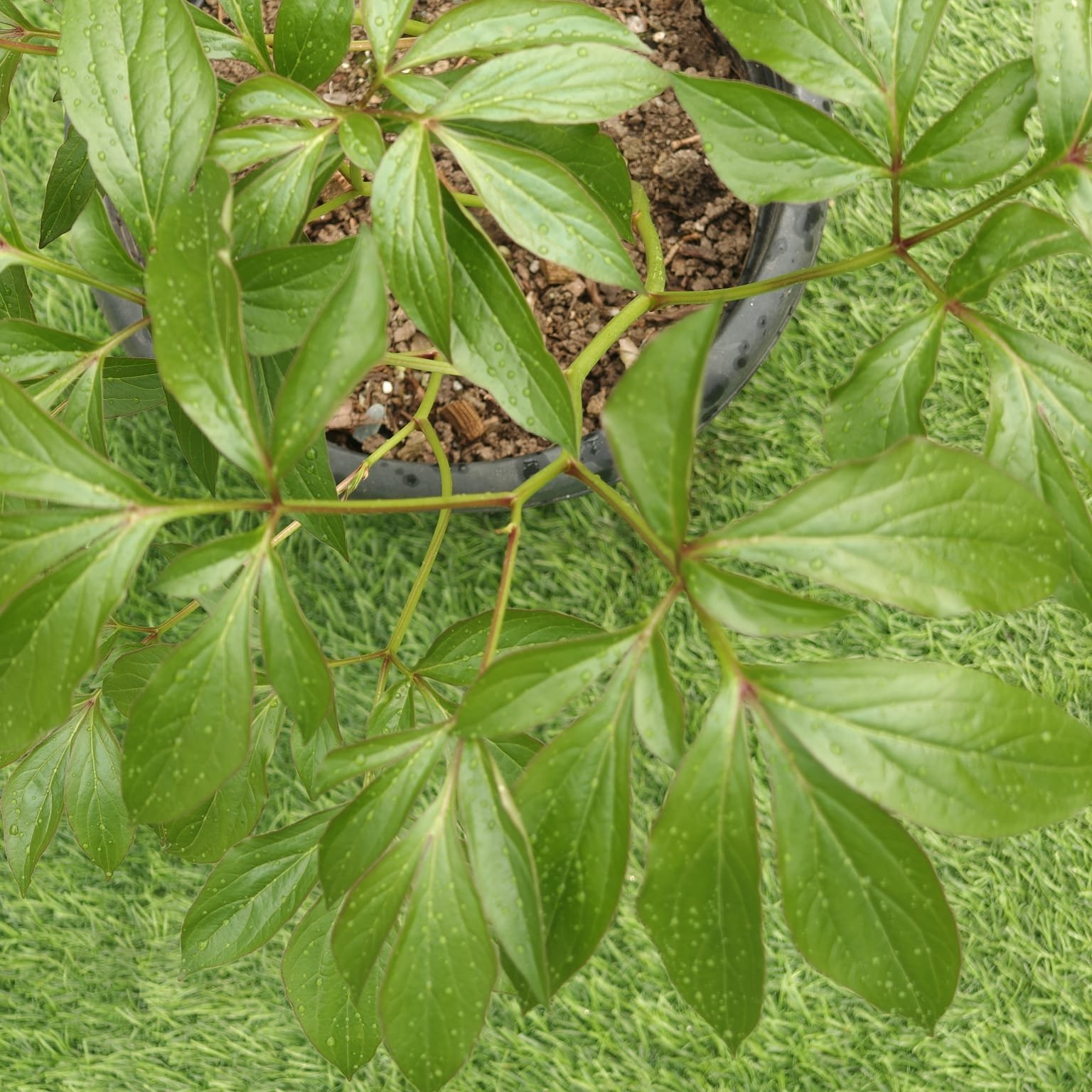
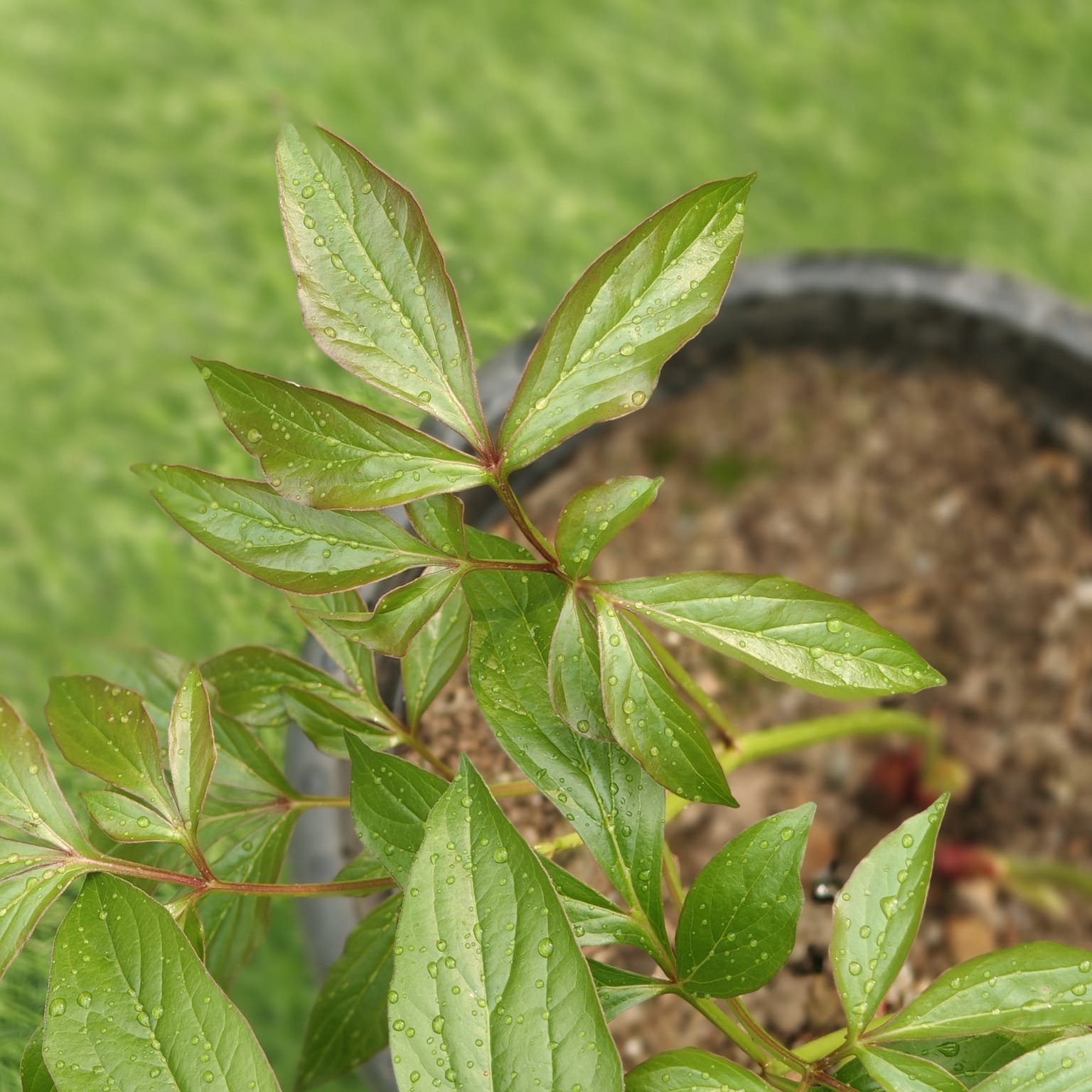
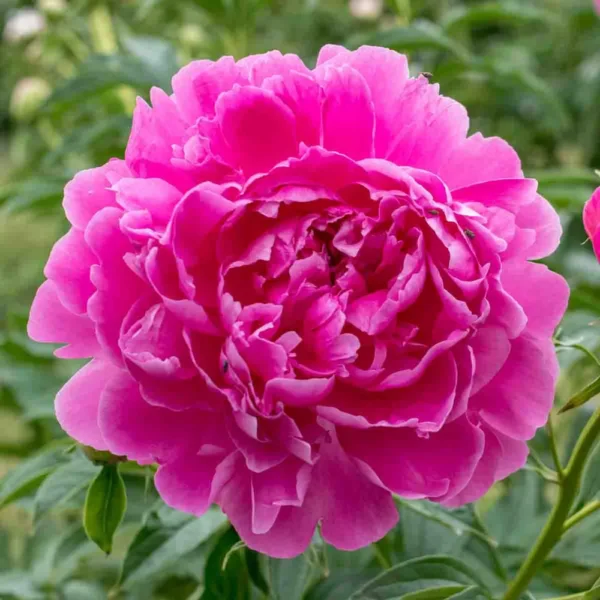
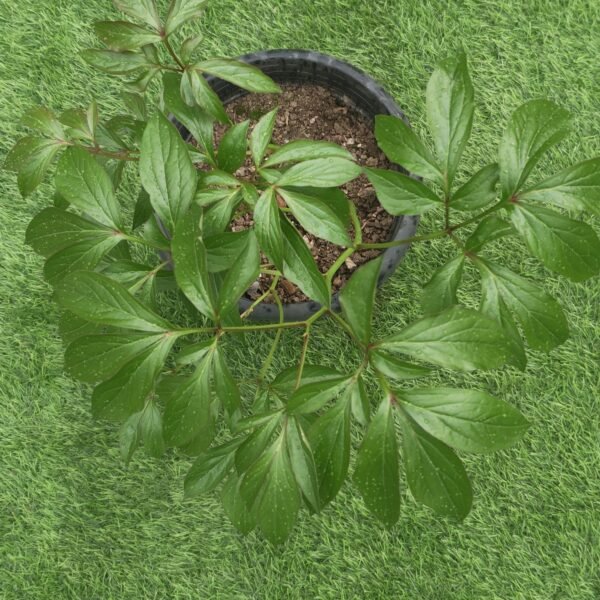
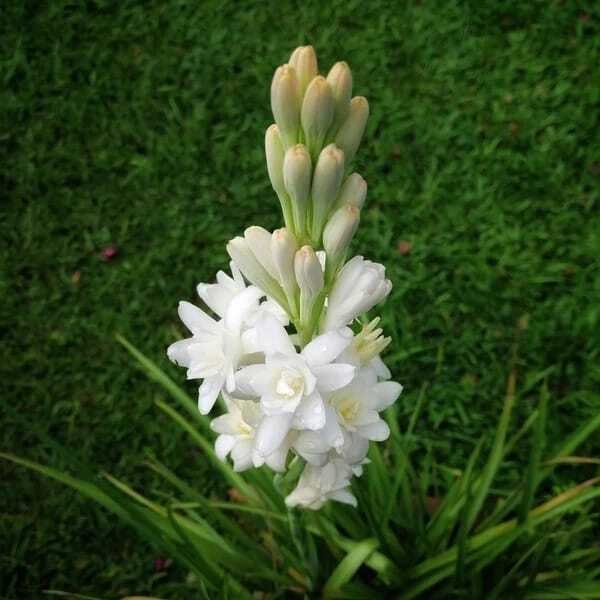
Peony (Paeonia lactiflora) is one of the world’s most loved perennial flowers, famous for its lush, fragrant, multi-petalled blooms that can be pink, white, coral, magenta or crimson. This random-colour pack brings you one healthy rootstock that will unfurl an unforgettable flowering display each spring. Peonies are long-lived — a single plant can thrive for 50+ years and get better every season. Indian gardeners in cool hill climates prize them as the crown jewel of their spring garden.
━━━━━━━━━━━━━━━━━━━━━━━━━━━━━━━━━━━━━
✨ Key Benefits
━━━━━━━━━━━━━━━━━━━━━━━━━━━━━━━━━━━━━
🌸 Huge, fragrant spring blooms ideal for cut-flower vases
💚 Long-lived perennial — returns year after year for decades
🏡 Great for cool-climate garden beds, borders and pots
🐝 Attracts butterflies and pollinators
✅ Deer and rabbit resistant
━━━━━━━━━━━━━━━━━━━━━━━━━━━━━━━━━━━━━
🌿 Care Instructions
━━━━━━━━━━━━━━━━━━━━━━━━━━━━━━━━━━━━━
☀️ Sunlight: Full morning sun with light afternoon shade (4–6 hours direct sun)
💧 Watering: Deep watering once a week when actively growing — never waterlog
🪴 Soil: Deep, fertile, well-draining loam enriched with compost
🌡️ Temperature: 5–33°C (needs cold winter dormancy to flower)
🧪 Fertilizer: Bone meal + balanced NPK 10-20-10 in early spring and after flowering
✂️ Pruning: Cut back all foliage to ground level in late autumn once leaves die down
━━━━━━━━━━━━━━━━━━━━━━━━━━━━━━━━━━━━━
📏 Size Guide
━━━━━━━━━━━━━━━━━━━━━━━━━━━━━━━━━━━━━
🌱 At Delivery:
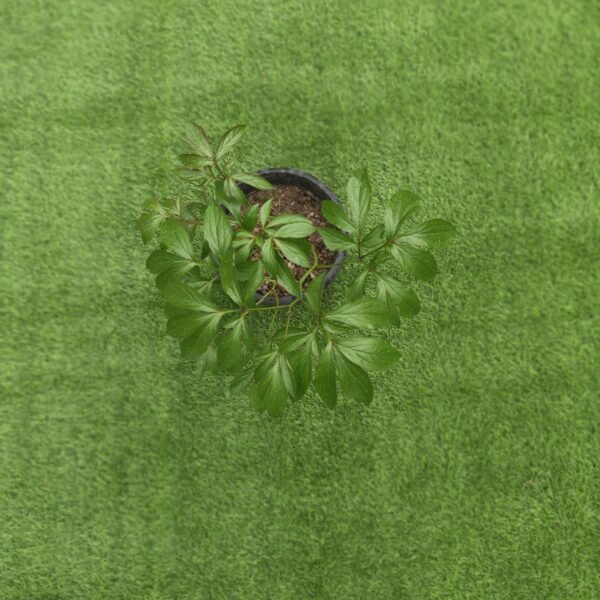
Height: 15–30 cm (or dormant root, depending on season)
Pot Size: 5–6 inch nursery pot
Stage: Young, established plant
🌿 After 1 Year:
Height: 40–60 cm
Spread: 40–50 cm
Growth Rate: Medium
🌳 Fully Grown:
Height: 70–90 cm
Spread: 70–90 cm
Time to Mature: 2–3 years to first heavy bloom
📌 Space Needed:
Minimum Pot Size: 14–16 inch (ground planting preferred)
Floor Space: 2–3 sq ft
━━━━━━━━━━━━━━━━━━━━━━━━━━━━━━━━━━━━━
📅 Seasonal Availability & Behaviour
━━━━━━━━━━━━━━━━━━━━━━━━━━━━━━━━━━━━━
🌸 Spring (Feb – Apr):
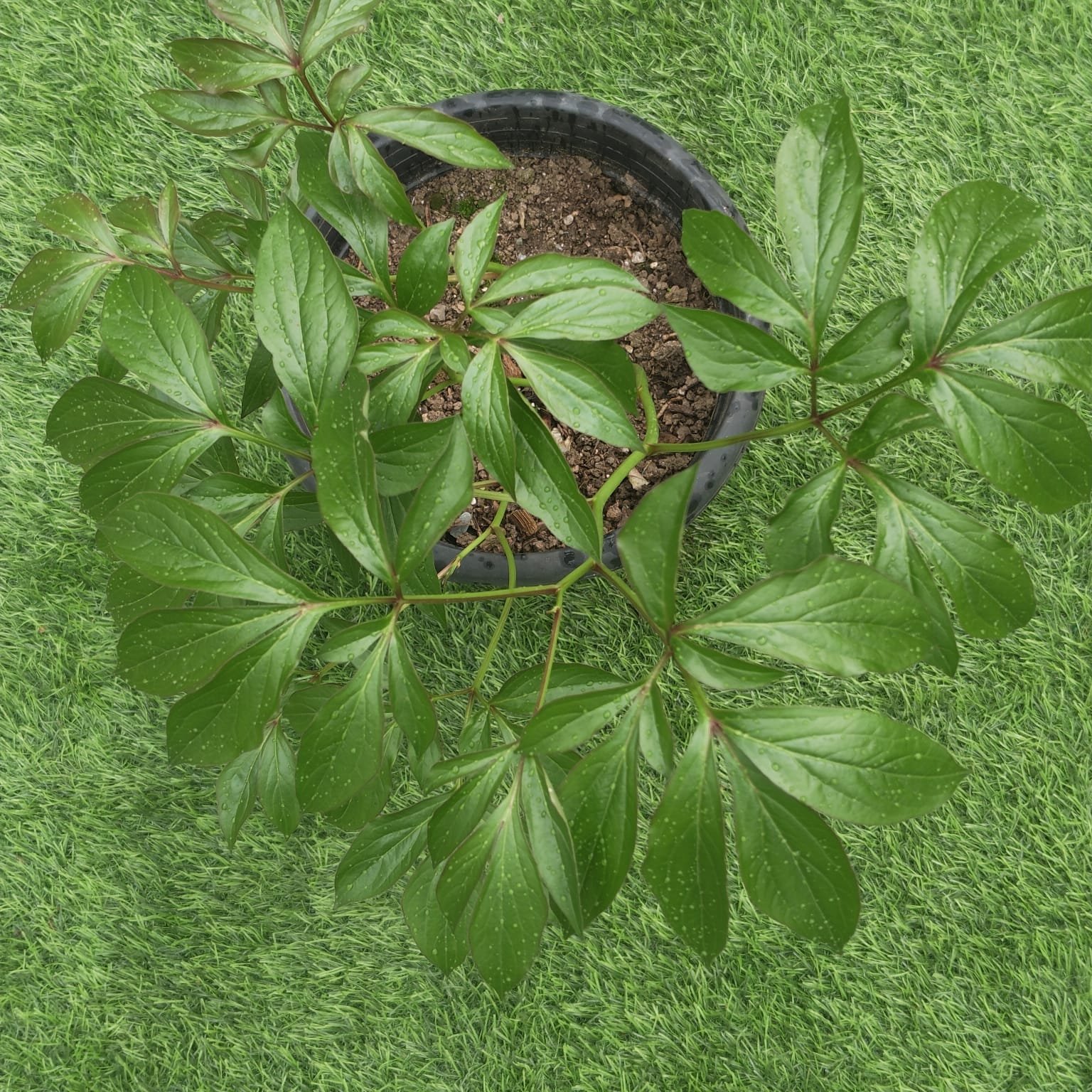
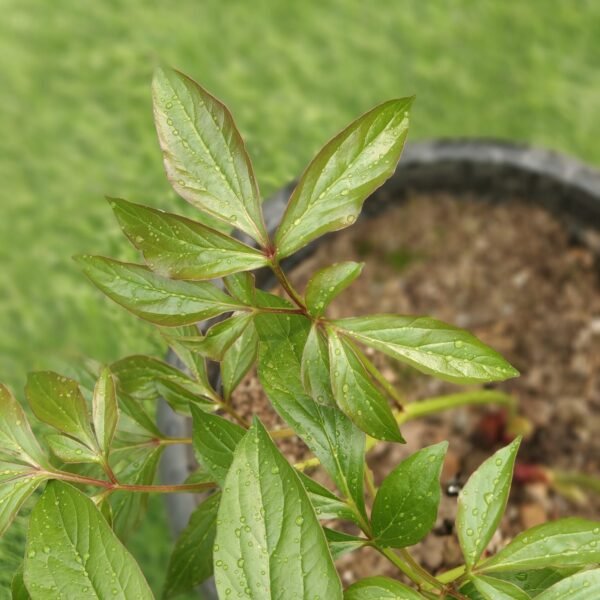
New red shoots emerge. Flower buds develop rapidly and bloom in March–April. Feed now.
☀️ Summer (May – Jun):
Foliage stays green but plant rests. In hot semi-arid cities like Delhi and Jaipur (peak 42–47°C), the plant may go dormant early — water less and shield from harsh afternoon sun.
🌧️ Monsoon (Jul – Sep):
Ensure sharp drainage — soggy soil causes crown rot. Raise the planting bed if needed.
🍂 Autumn (Oct – Nov):
Foliage turns yellow and dies back. Cut down to ground level and top-dress with compost.
❄️ Winter (Dec – Jan):
Complete dormancy — this cold spell is essential for flower buds. The colder your winter, the better the blooms.
🛒 Best Time to Buy & Plant: October to February. Winter planting gives the roots time to establish before spring.
━━━━━━━━━━━━━━━━━━━━━━━━━━━━━━━━━━━━━
🌍 Climate Zone Compatibility
━━━━━━━━━━━━━━━━━━━━━━━━━━━━━━━━━━━
|
Cold hardiness
Down to −40°C
|
Optimal growth temp
15°C to 24°C
|
Min. chilling needed
504 hrs below 4°C
|
|
Optimal chilling
672–856 hrs below 4°C
|
Heat stress above
29°C (85°F)
|
Ideal Indian zones
Z1 · Z2 · Z4
|
✅ Ideal — will grow and flower reliably
| ✅ |
Z1 — Cold Alpine · Winter down to −20°C or below / Summer up to 20°C
Elevation 3,000 to 5,500m · Jan min ≤ −10°C · Rainfall <300mm · Chilling hours 1,500 to 3,500 hrs/year · Exceeds requirement
|
▼ |
Peony is one of the most cold-hardy flowering perennials in the world — it survives temperatures as low as −40°C and actually needs a prolonged freeze to thrive. The brutal Cold Alpine winter delivers far more than the minimum 6 weeks below 4°C needed to break dormancy and trigger flower bud initiation. Snow cover insulates the crown and fleshy roots from damaging freeze-thaw cycles. Cool summers peaking at only 20°C keep the plant completely stress-free, allowing excellent foliage growth and deep energy reserves for the following year’s spectacular bloom. A cold alpine winter is not a threat to this plant — it is a requirement.
| ✅ |
Z2 — Cold Hills · Winter −5 to 8°C / Summer up to 25°C
Elevation 1,800 to 3,000m · Jan min −5 to 8°C · Rainfall 700 to 4,000mm · Chilling hours 900 to 2,000 hrs/year · Exceeds requirement
|
▼ |
Cold Hill winters consistently maintain temperatures below 4°C for well over 6 weeks, comfortably satisfying the chilling requirement that triggers peony dormancy break and flower bud set. Summers staying below 25°C — well under the 29°C heat stress threshold — allow the plant to complete its vegetative cycle and build strong root reserves. In high-rainfall variants of this zone, the moist, humus-rich soils match peony’s preference for deep, fertile, consistently moist but well-drained ground. Expect generous, repeat flowering year after year.
| ✅ |
Z4 — Subtropical Highland · Winter −5 to 8°C / Summer up to 33°C
Elevation 1,200 to 2,200m · Jan min −5 to 8°C · Rainfall 500 to 3,600mm · Chilling hours 504 to 900 hrs/year · Meets minimum
|
▼ |
At higher elevations within this zone — typically above 1,500m — January minimums regularly fall below 4°C, delivering enough chilling hours for reliable flowering. At elevations above 1,500m, winters are cold enough to satisfy vernalisation. Elevation is the deciding factor: the higher you are, the better peonies perform. Summer peaks of 30 to 33°C exceed the 29°C stress threshold, so afternoon shade from 11am to 4pm, a thick organic mulch layer, and deep watering every 3 to 4 days are essential from May onwards. Plant in a north or east-facing bed. Avoid low-lying valley floors where winters stay too mild for bud set.
⚠️ Possible — may survive, flowering absent or unreliable
| ⚠️ |
Z3 — Subtropical Hills · Winter 3 to 10°C / Summer up to 28°C
Elevation 1,500 to 2,500m · Rainfall 800 to 2,500mm · Monsoon 4 to 5 months · Chilling hours marginal — 0 to 200 hrs/year at warmer end
|
▼ |
This zone sits at 1,500 to 2,500m elevation with winter minimums of 3 to 8°C. The colder end of this zone (Jan min 3 to 4°C) may accumulate marginal chilling hours in exceptional cold years — enough for the plant to survive and occasionally produce a few flowers. However the warmer end of this zone (Jan min 5 to 8°C) accumulates virtually zero hours below 4°C and peony will not flower there. Summer peaks of up to 28°C sit just under the 29°C stress threshold — the plant grows well vegetatively. Whether peony flowers depends entirely on winter severity in any given year — reliable annual flowering cannot be guaranteed across this zone. Treat as an experiment rather than a reliable cultivation zone.
| ⚠️ |
Z6 — Subtropical Monsoon Highland · Winter 3 to 12°C / Summer up to 34°C
Elevation 800 to 1,400m · Monsoon 5 to 6 months · Rainfall 1,500 to 3,200mm · Jan min 3 to 12°C · Monsoon 5 to 6 months
|
▼ |
This zone sits at 800 to 1,400m elevation. Despite the elevation, average winter temperatures remain at 10 to 13°C — not cold enough for peony to enter the deep dormancy it needs. Peony requires a minimum of 504 chilling hours below 4°C to initiate flower buds — this zone accumulates zero such hours. The plant will survive and produce foliage but will never flower under any conditions. Heavy monsoon rainfall (1,500 to 3,200mm) also raises root rot and fungal disease risk during the wet season. Not recommended for flowering cultivation.
| ⚠️ |
Z9 — Cool Tropical Highland · Winter 5 to 12°C / Summer up to 33°C
Elevation 1,600 to 2,500m · Nilgiri Hills / Western Ghats · Rainfall 1,500 to 3,000mm · Chilling hours <100 hrs — far below 504 hr minimum
|
▼ |
Despite elevations of 1,600 to 2,500m, these Nilgiri and Western Ghats stations sit at just 8 to 12°N latitude — meaning the winter sun angle remains too high to allow sustained cold accumulation. Average January minimums of 5 to 12°C mean that while the occasional cold night may touch 2 to 3°C at higher points, these are isolated events lasting hours, not weeks. Peony requires a minimum of 6 consecutive weeks where temperatures consistently stay below 4°C — this zone accumulates fewer than 100 chilling hours per year, far below the 504 hours required for dormancy break. The plant may survive and produce healthy foliage year-round due to the pleasant cool summers (22 to 28°C) and consistent rainfall, but flower buds will not form without the sustained cold that only higher-latitude zones can deliver.
❌ Not recommended — insufficient chilling, plant will not flower
| ❌ |
Z5 — Subtropical Monsoon · Winter 8 to 14°C / Summer up to 38°C
Elevation 50 to 600m · Monsoon 5 to 6 months · Rainfall 1,800 to 4,000mm · Humidity 75 to 95% · No dry season
|
▼ |
Winter minimums of 8 to 14°C rarely sustain temperatures below 4°C long enough for meaningful chilling hours — peony needs at least 6 consecutive weeks, and this zone delivers only occasional cold snaps. The plant will not flower reliably. Summer peaks approaching 38°C cause significant heat damage to leaves and crown. The very heavy monsoon rainfall (1,800 to 4,000mm) creates persistent soil saturation, raising the risk of crown rot during the wet season. Not recommended.
| ❌ |
Z7 — Humid Subtropical · Winter 8 to 15°C / Summer up to 42°C
Elevation 100 to 700m · Dry season 3 to 4 months · Rainfall 800 to 2,200mm · Humidity 60 to 85% · Summer hot — 38 to 42°C
|
▼ |
Winter temperatures of 8 to 15°C rarely drop below the 4°C chilling threshold long enough to trigger proper dormancy. The plant may survive and maintain foliage but bloom production will be poor to absent. Summer peaks of up to 42°C are well beyond the 29°C heat stress threshold, causing leaf scorch, stem collapse, and crown weakening. Not recommended.
| ❌ |
Z8 — Subtropical Semi-Arid · Winter 5 to 12°C / Summer up to 44°C
Elevation 10 to 200m · Dry season 7 months · Rainfall 400 to 800mm · Humidity 30 to 55% · Semi-arid steppe
|
▼ |
The cooler end of this zone offers marginal chilling in exceptional cold years, but the combination of very low rainfall (400 to 800mm) and 44°C summer peaks creates severe compounding stress. Peony demands consistently moist, deep, fertile soil — the long dry season creates fatal root-zone drought. Any flower buds that form in a cold winter will be destroyed before flowering by scorching spring temperatures. Not recommended.
| ❌ |
Z10 — Tropical Mid-Elevation Monsoon · Winter 9 to 15°C / Summer up to 38°C
Elevation 600 to 1,500m · Monsoon 6 to 7 months · Rainfall 2,500 to 6,000mm · Humidity 80 to 95% · Waterlogged 6 to 7 months
|
▼ |
Despite mid-elevation setting, winters never sustain temperatures below 4°C for the 6-week minimum peony requires. Without sufficient chilling, flower buds cannot form. The exceptionally heavy monsoon rainfall (2,500 to 6,000mm) creates persistently waterlogged soils throughout the wet season, causing the crown rot that is the most common fatal disease in peonies. Will not flower and is unlikely to persist through multiple monsoon seasons.
| ❌ |
Z11 — Tropical Monsoon Coastal · Winter 14 to 24°C / Summer up to 38°C
Elevation 0 to 200m · Monsoon 5 to 6 months · Rainfall 1,400 to 4,000mm · Humidity 70 to 90% · No frost ever
|
▼ |
Year-round temperatures above 14°C make cold dormancy biologically impossible. Peony’s annual cycle — dormancy, chilling, bud break, bloom — cannot be initiated without a sustained period below 4°C, which this zone never provides. High humidity combined with heavy monsoon rainfall creates ideal conditions for crown rot and fungal blight. The plant will not flower and is unlikely to survive beyond one monsoon season.
| ❌ |
Z12 — Tropical Wet & Dry Savanna · Winter 11 to 17°C / Summer up to 40°C
Elevation 300 to 1,000m · Dry season 5 to 6 months · Rainfall 700 to 1,600mm · Deccan Plateau — distinct wet and dry seasons
|
▼ |
Winter minimums of 11 to 17°C provide zero effective chilling hours below the 4°C threshold. Without dormancy break, flower buds do not set. Summer peaks of 40°C are well beyond the 29°C stress threshold, causing severe wilting, leaf scorch, and root damage. Not viable for peony cultivation.
| ❌ |
Z13 — Tropical WDS Hot Interior · Winter 11 to 18°C / Summer up to 48°C
Elevation 200 to 700m · Dry season 6 to 7 months · Rainfall 700 to 1,600mm · Summer scorching — 45 to 48°C peak
|
▼ |
This zone combines the two conditions most lethal to peony — winters too warm for dormancy and summers too hot for survival. Winter minimums of 11 to 18°C deliver zero effective chilling below 4°C. Peak summer temperatures of 45 to 48°C cause rapid cellular damage to foliage and roots. Outdoor cultivation is not possible.
| ❌ |
Z14 — Tropical Wet & Dry Savanna Coastal · Winter 17 to 22°C / Summer up to 42°C
Elevation 0 to 400m · Dry season 4 to 5 months · Rainfall 700 to 2,000mm · Coastal — humid year-round
|
▼ |
With winter minimums of 17 to 22°C — the warmest in the savanna group — cold dormancy is completely unachievable. Summer peaks of 42°C cause serious heat damage, well above the 29°C stress threshold. Coastal humidity adds persistent fungal disease pressure. The plant will neither flower nor survive a full year under these conditions.
| ❌ |
Z15 — Tropical Semi-Arid · Winter 12 to 16°C / Summer up to 45°C
Elevation 450 to 600m · Humidity 35 to 75% · Rainfall 600 to 900mm · Dry season 7 months
|
▼ |
Summer peaks of 45°C are well above peony’s 29°C heat stress threshold — foliage and crowns suffer serious damage during the hot season. Winter minimums of 12 to 16°C provide zero hours below the 4°C chilling threshold — flower buds cannot form. The seasonal rainfall of 600 to 900mm with a 7-month dry season creates fatal drought stress for a plant that demands consistently moist deep soil. Not viable.
| ❌ |
Z16 — Subtropical Hot Semi-Arid Continental · Winter 4 to 13°C / Summer up to 48°C
Elevation 100 to 450m · Dry season 6 to 7 months · Rainfall 600 to 900mm · Summer scorching — 44 to 48°C peak
|
▼ |
Cold January minimums of 4 to 13°C are promising for dormancy — the plant may survive winter and even set buds in cold years. However, summer peaks of 44 to 48°C make outdoor cultivation impossible for peony. Emerging spring shoots are destroyed by scorching April to June temperatures before the plant can bloom. Unlike
wisteria which is a woody vine, peony’s soft spring growth is extremely vulnerable to sudden heat. Not viable outdoors.
| ❌ |
Z17 — Subtropical Hot Arid · Winter 4 to 10°C / Summer up to 50°C
Elevation 200 to 300m · Dry season 9 to 10 months · Rainfall <400mm · True desert climate
|
▼ |
At 50°C peak summer temperatures — 21°C above the 29°C stress threshold — even drought-adapted native flora struggles. Peony’s soft fleshy roots and spring growth cannot survive a single outdoor desert summer. Annual rainfall below 400mm is completely insufficient for a plant that requires consistently moist, deep soil. Not viable under any outdoor conditions.
| ❌ |
Z18 — Tropical Hot Semi-Arid · Winter 16 to 20°C / Summer up to 46°C
Elevation 300 to 800m · Dry season 7 to 8 months · Rainfall 500 to 700mm · Western Ghats rain shadow
|
▼ |
Three fatal conditions for peony — summer peaks of 46°C (17°C above the 29°C stress threshold), warm winters of 16 to 20°C that provide zero chilling hours below 4°C, and chronic seasonal drought (500 to 700mm). Peony cannot survive, flower, or establish roots under these conditions.
━━━━━━━━━━━━━━━━━━━━━━━━━━━━━━━━━━━━━
🏠 Perfect For
━━━━━━━━━━━━━━━━━━━━━━━━━━━━━━━━━━━━━
👤 Who: Hill-station gardeners, cut-flower enthusiasts, heritage garden lovers
📍 Where: Cool-climate garden beds, borders, large patio pots
🎯 Why: Stunning fragrant blooms, decades-long lifespan, cut-flower favourite
━━━━━━━━━━━━━━━━━━━━━━━━━━━━━━━━━━━━━
📦 What You Get
━━━━━━━━━━━━━━━━━━━━━━━━━━━━━━━━━━━━━
1 healthy Peony plant (random colour)
Carefully packed for safe pan-India delivery
Nursery grown in Darjeeling hills
Free plant care guide
100% healthy plant guarantee
━━━━━━━━━━━━━━━━━━━━━━━━━━━━━━━━━━━━━
❓ Frequently Asked Questions
━━━━━━━━━━━━━━━━━━━━━━━━━━━━━━━━━━━━━
Q: Will the plant survive shipping?
A: Yes! We use special packaging designed for live plants. Dormant peonies actually travel very well.
Q: Is this plant safe for pets?
A: No — peonies are mildly toxic if chewed. Keep out of reach of pets.
Q: What colour will I get?
A: This is a random colour pack — you may receive pink, white, coral, magenta or crimson. Exact colour reveals at first bloom.
Q: Can I grow this in Delhi or Bangalore?
A: Bangalore (subtropical, peak 34–38°C) is borderline — possible in cool microclimates. Delhi and other hot semi-arid cities (peak 42–47°C) are not suitable. Peonies need cold-winter dormancy and thrive in Shimla, Darjeeling, Gangtok, Manali and other cold/semi-temperate hill cities.
Q: When will it flower for the first time?
A: Usually in the second or third spring after planting. The first year focuses on root establishment.
Q: Do you provide a care guide?
A: Yes! Every order comes with a free, detailed care guide written specifically for this plant.
Q: Is this good for beginners?
A: Yes, if you live in a cold/semi-temperate zone. Once established they are essentially maintenance-free.
Q: Can I keep this indoors?
A: No — peonies need outdoor conditions and cold winter dormancy to flower.
Q: When is the best time to plant this?
A: October to February. Autumn planting is best for long-term success.
Q: How fast does this plant grow?
A: Medium grower. Takes 2–3 years to reach flowering maturity, then blooms reliably every spring.
Q: What size pot do I need?
A: A minimum 14–16 inch pot for a mature plant. Ground planting is strongly preferred for long-term success.























Reviews
There are no reviews yet