




















































Ribbon Grass (Reed Canary Grass) – Vibrant Variegated Ornamental Grass for Your Garden
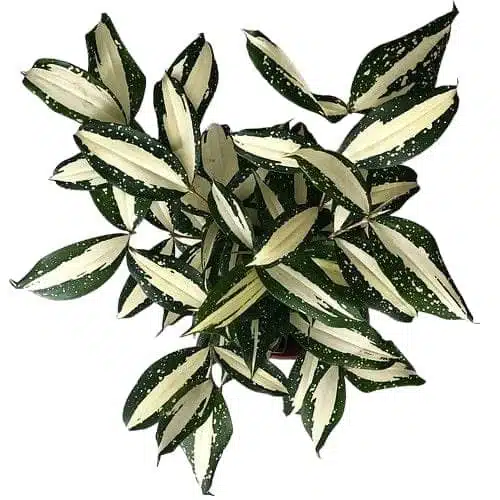
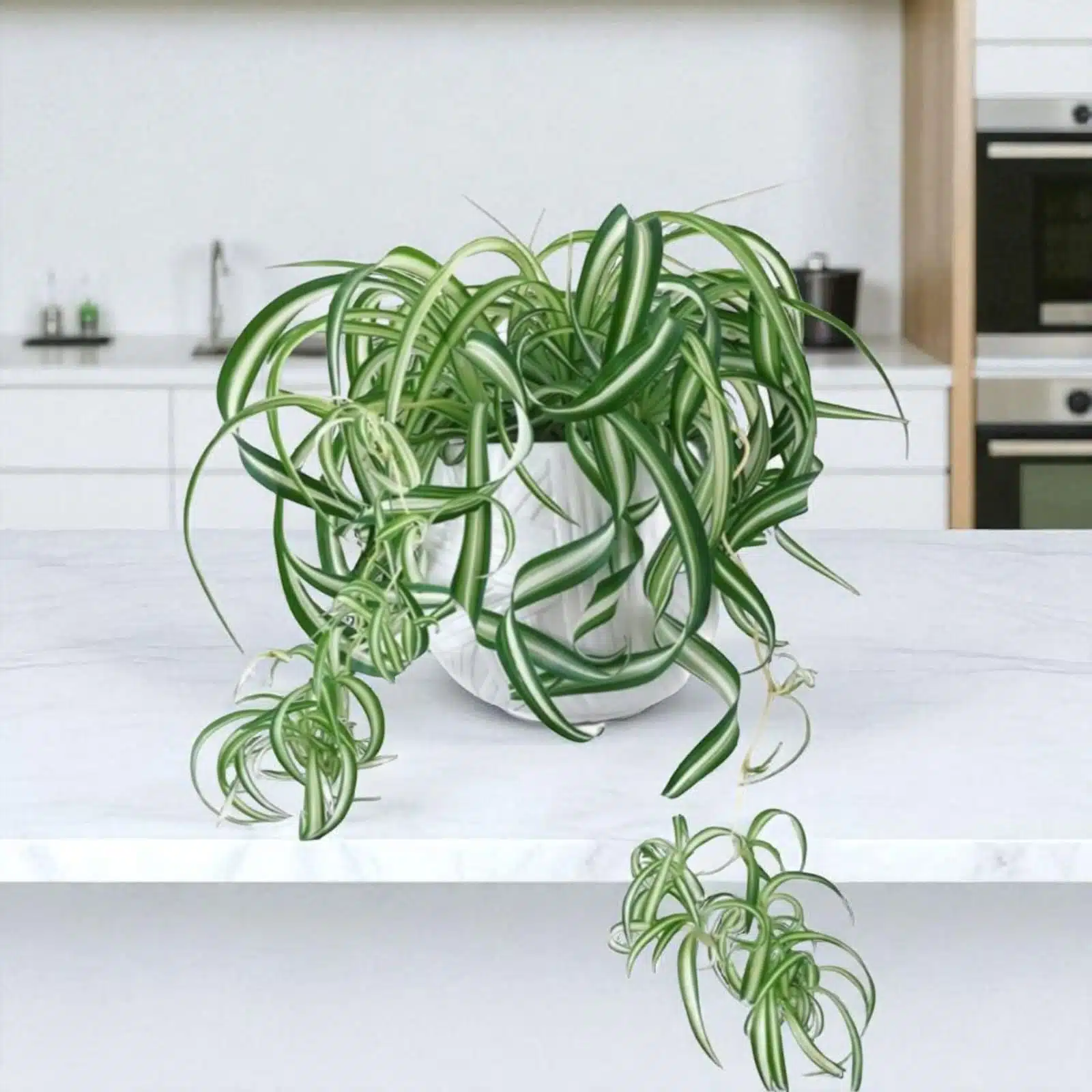
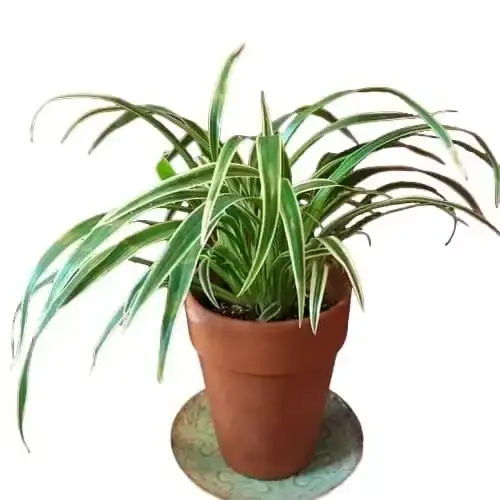
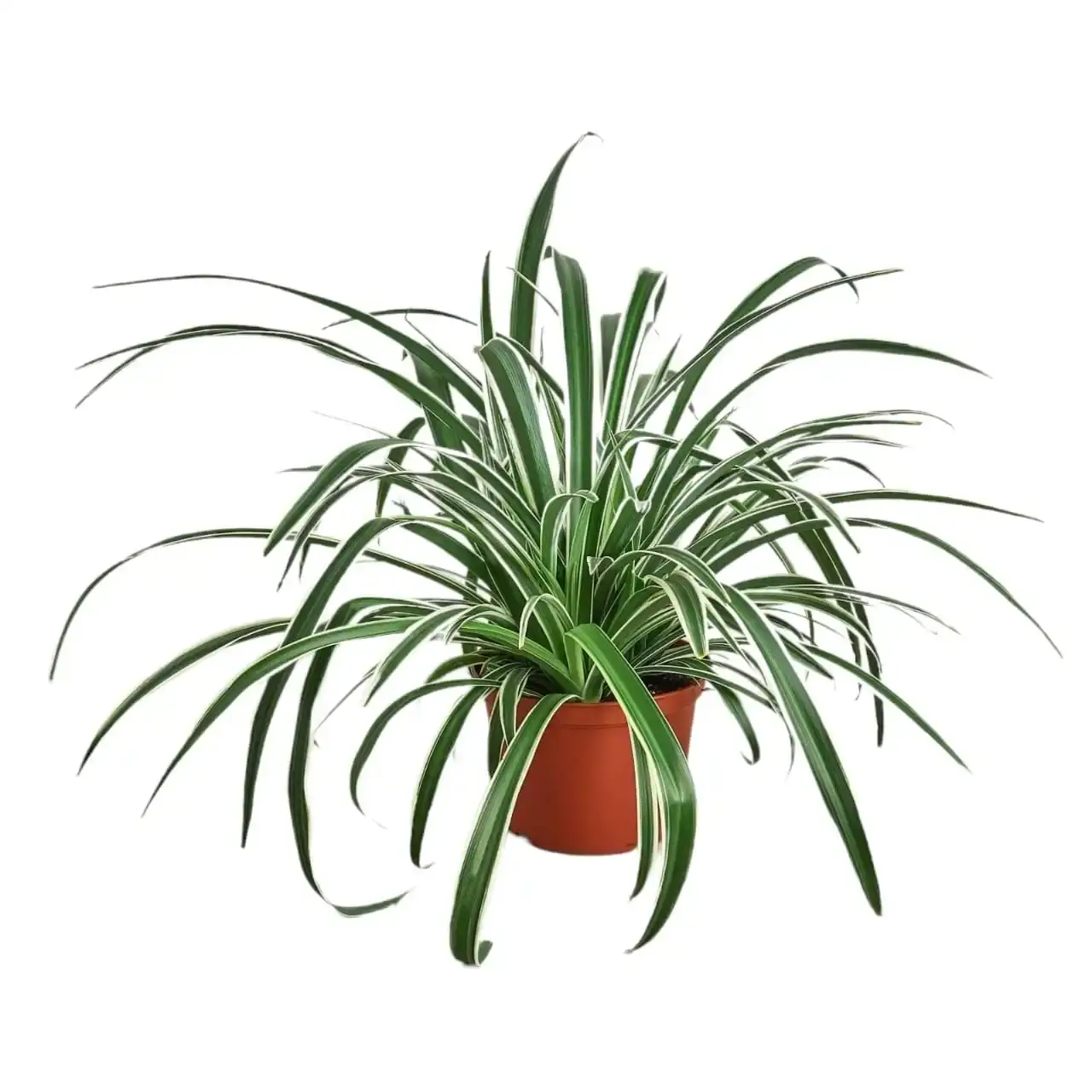
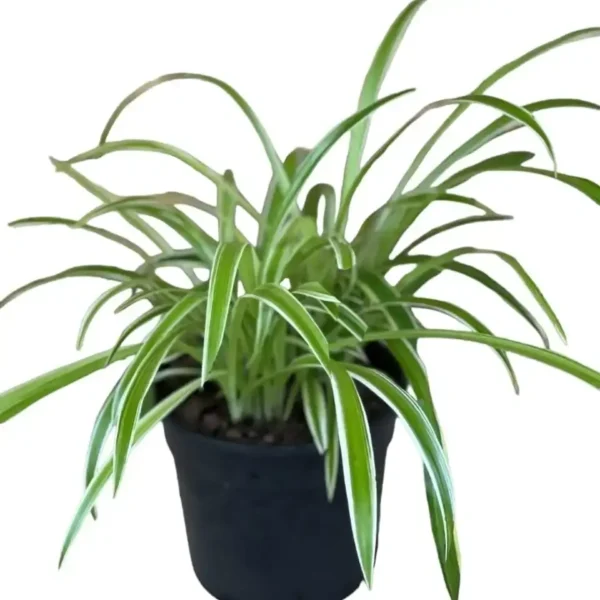
Ribbon Grass, also known as Reed Canary Grass (Phalaris arundinacea), is a stunning perennial ornamental grass celebrated for its eye-catching variegated foliage. The elegant, ribbon-like leaves are striped with creamy white and green, creating a lively accent in any garden landscape. Ribbon Grass is highly versatile, thriving in a variety of conditions and offering year-round beauty with minimal maintenance. It’s a favorite choice for borders, ground covers, pond edges, and erosion control, making it a must-have for gardeners looking to add texture and brightness to their outdoor spaces.
Features and Benefits
- Botanical Name: Phalaris arundinacea
- Common Names: Ribbon Grass, Reed Canary Grass
- Foliage: Attractive green leaves with white or cream stripes
- Height: Grows up to 90 cm (3 feet)
- Spread: Rapid, forms dense clumps
- Hardiness: Suitable for USDA zones 4-9
- Landscape Uses: Borders, pond margins, mass planting, erosion control
Care Tips for Ribbon Grass (Reed Canary Grass)
Ribbon Grass is known for its adaptability and low maintenance requirements. Follow these expert care tips to keep your plant healthy and vibrant:
1. Light Requirements
- Thrives in full sun to partial shade.
- In warmer regions, partial shade helps prevent leaf scorch and maintains vivid coloring.
2. Soil Preferences
- Grows well in a wide range of soils, including sandy, loamy, and clay.
- Prefers moist, well-drained soil but tolerates wet conditions; ideal for planting near water features.
3. Watering
- Keep the soil consistently moist, especially during hot, dry periods.
- Established plants are moderately drought-tolerant but perform best with regular watering.
4. Fertilization
- Apply a balanced, slow-release fertilizer in early spring to encourage lush growth.
- Avoid over-fertilizing, as this can lead to excessive spreading.
5. Pruning & Maintenance
- Cut back old or damaged foliage in late winter or early spring before new growth starts.
- Divide clumps every 2-3 years to control spread and rejuvenate plants.
- Remove any unwanted runners to prevent invasiveness.
6. Pest & Disease Resistance
- Ribbon Grass is generally pest-free and disease-resistant.
- Monitor for occasional rust or fungal issues in overly wet conditions and treat as needed.
7. Containment
- Due to its vigorous growth, Ribbon Grass can become invasive.
- Plant in containers or use root barriers if you want to limit its spread in garden beds.
Landscaping Ideas
Ribbon Grass is perfect for adding movement and texture to your garden. Use it as a striking border plant, ground cover, or accent near ponds and streams. Its variegated leaves contrast beautifully with flowering perennials and other grasses, making it a versatile addition to modern and traditional landscapes alike.
Bring home Ribbon Grass (Reed Canary Grass) for a vibrant, easy-care ornamental grass that elevates your garden’s aesthetics. With its bold stripes and adaptable nature, Ribbon Grass is the ideal choice for gardeners seeking both beauty and practicality.




1 review for Ribbon Grass