















Choose Healthy Cactus Plants When Shopping Online in India

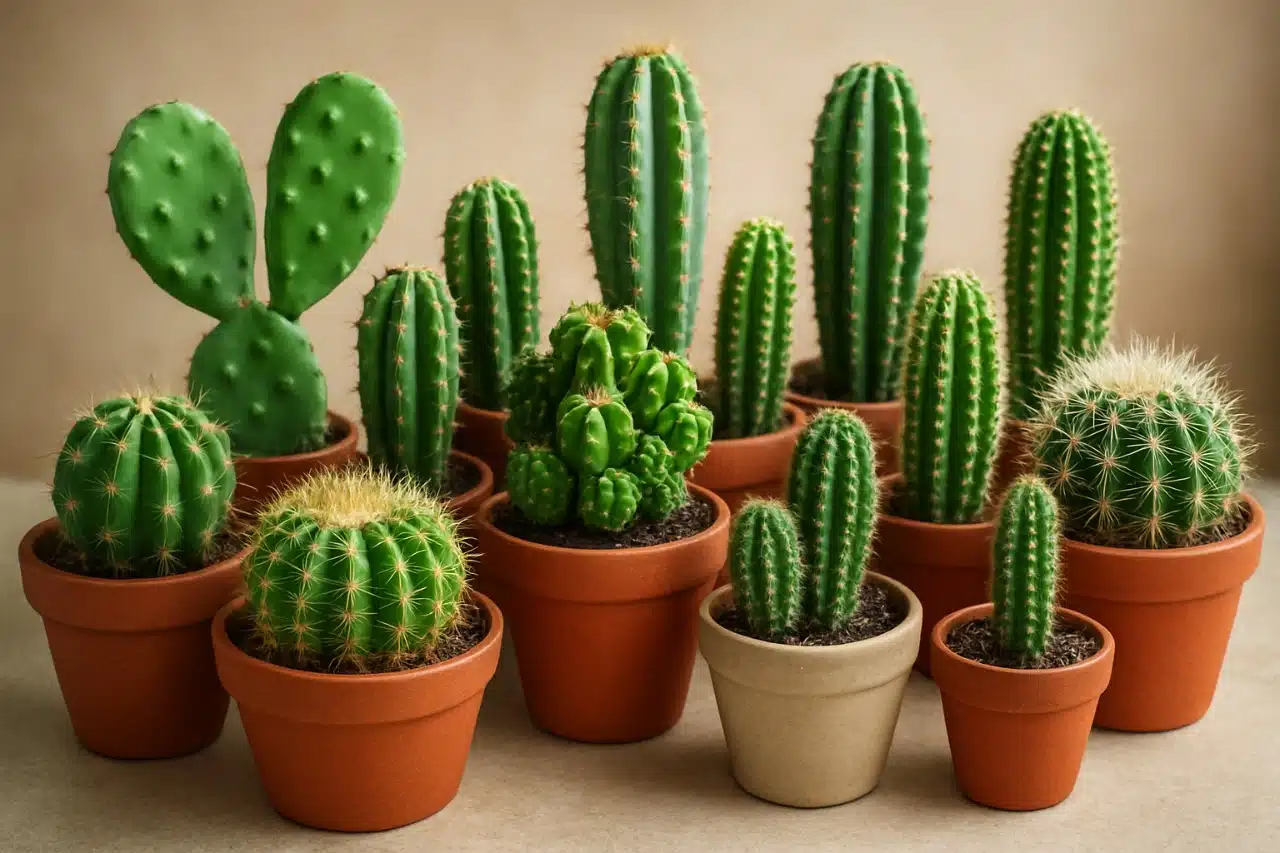
The spike of excitement when the delivery person hands over that box is genuine. Heart beats a little faster. You cut the tape, dreaming of a miniature, perfect desert sculpture for your shelf. But the letdown. Oh, the letdown. You pull out something sad. A mushy, pale imitation of the photo. It happens all the time.
Buying cactus online in India feels like a gamble where the house often wins. This isn’t about luck anymore. This is a tactical guide. We’re moving past hope. We’re using a strategy. You will learn to see what the seller doesn’t show. You’ll know what to do the second the box is open. Let’s turn that unboxing panic into confident inspection.
Seeing Through the Screen: The Photo Filter Problem
Website images are fantasies. Perfect light. Perfect angles. They’re often old stock photos, not the actual plant you’ll get. The plant in the warehouse might be etiolated. That means stretched out and pale from low light. It might have scale insects hiding under a spine. You can’t see that.
A truly healthy cactus has a certain posture. It looks confident. The color is a strong, even green or blue-green. Not yellow. Not brownish. The skin is taut like a drum. If it has ribs, they are plump, not thin and hungry. Look for a growing tip that’s fresh and vibrant. That’s the sign of life you’re buying.
Your Pre-Click Investigation: The Listing Forensics
This is where you win or lose. Before that “Buy Now” button.
First, scale is a lie. “Assorted cactus” tells you nothing. You need numbers. Look for “Height: 10-12 cm including pot” or something precise. A photo with a hand, a coin, and a lighter next to it. That’s honest. That’s what you want.
Second, demand imperfections. A seller showing one perfect shot is hiding something. Look for multiple photos. A side view. A top view. Crucially, a shot of the base where it meets the soil. Rot starts there. You want to see dry, clean skin at the base. No dark, wet-looking patches. None.
Third, the review deep dive. Don’t just read the stars. Click “See all reviews” and search. Search for the word “small.” Search for “dead.” Search for “rotten.” You’re looking for patterns. If three people in June said their plant was rotten, do not buy in June. This is public data. Use it.
The Arrival Protocol: Your Triage Procedure
The box is here. Don’t just unwrap. Investigate.
1. The Tactile Truth Test. Put on a thick glove. Use a folded newspaper. Gently, I mean gently, squeeze the cactus body. It should feel utterly solid. Unyielding. Like a firm potato. If any part gives under pressure, especially near the bottom, you have a problem. Internal rot is a silent killer.
2. The Spine and Shine Inspection. Look at the spines and the skin. Spines should be intact. Not a lot of broken ones at the bottom from shipping. More importantly, look at the skin between the spines. It should be clean and smooth. Look for tiny white cottony dots (mealybugs) or little brown hard scales. These are common pests that hitchhike.
3. The Secret Root Interrogation. Here’s the pro move no one tells you. Wait one week. Let the plant sit in bright shade. Then, very carefully, tip it out of its nursery pot. Do this over a newspaper. Examine the roots. Healthy cactus roots are short, thick, and pale. They look thirsty and clean. Rotten roots are dark brown or black. They are mushy. They might smell bad. This is the most common hidden flaw. Nurseries overwater before shipping. You get a time bomb.

The India Factor: Climate, Courier, and Common Sense
A guide from the US won’t tell you this. Shipping from Bangalore to Rajasthan in May is plant murder. The truck becomes an oven.
Timing is everything. The absolute best time to order a cactus online in India is during the dry, cool winter. October to February is the safe window. The plant is dormant. It handles stress better. Avoid the monsoon like the plague. Humidity plus cardboard plus soil equals a fungal disaster.
Distance is danger. Look at the seller’s location. If you’re in Chennai, a seller in Tamil Nadu is smarter than a seller in Himachal. Every day in a cardboard box is a risk. Some listing titles even say “Shipping from Goa” now. Notice that.
Packaging tells a story. Reviews that say “excellent packaging” or “plant was secure” are green flags. The cactus should not rattle in the box. It should be wrapped in paper, maybe secured with sticks. Ask the seller how they pack before you buy. If they don’t have a good answer, pause.
The Critical First Month: Not Love, But Neglect
Your instinct is wrong. Your new cactus arrives stressed. It’s thirsty. It’s tired. Your instinct is to water it and give it sun. This is how you kill it.
You must do the opposite. Place it in a bright spot with NO direct sun for two, even three weeks. A north-facing window is perfect. Do not water it. Not a drop. Let any shipping damage or micro-tears on the root callus over. Let it realize it’s in a new home. This period of benign neglect is the kindest thing you can do. After this, introduce the morning sun slowly. Then water.
Finding that reliable source changes everything. It turns a risky click into a confident purchase. You start collecting, not just replacing. For a selection that takes these details seriously, where health is the first filter, you can begin your search at Plantshub. What was the last plant you lost, and what do you think went wrong?

