













Choosing the Best Outdoor Plants Online for Indian Climate

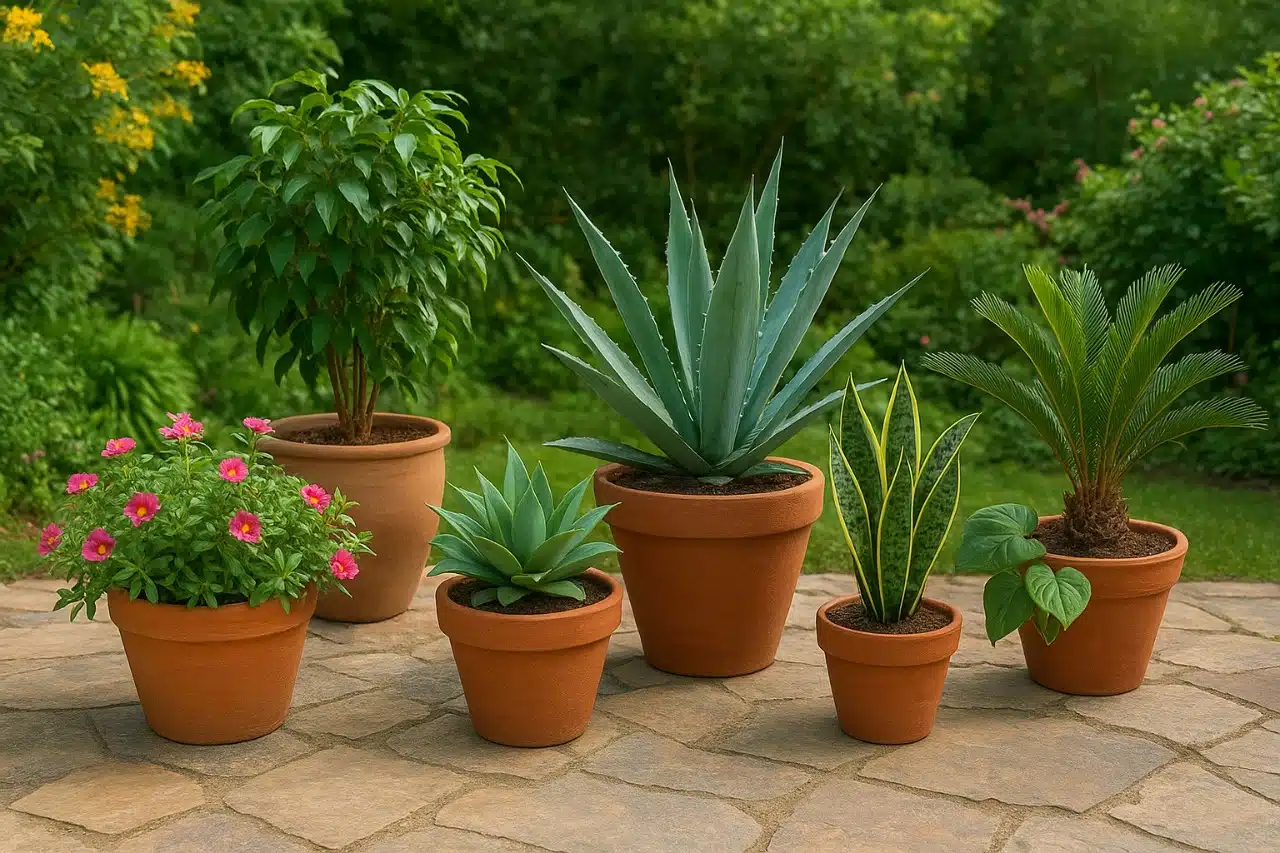
Your balcony is empty. The summer sun bakes the concrete. You imagine lemon trees, flowering vines, a green shield against the city dust. But you live on the fifth floor. And the nearest nursery is a long, hot drive away. This is the exact moment online plant shopping becomes a brilliant, terrifying idea. Terrifying because what if it arrives dead? Brilliant because what if it actually works?
Choosing outdoor plants online for India’s climate isn’t just about picking what’s pretty. It’s a strategic game against heat, monsoon, delivery trucks, and your own watering habits. Get it right, and you’ve built a living oasis. Get it wrong, and you’re left with a pot of expensive regret.
This guide cuts through the hype. You’ll learn how to match plants to your specific Indian weather, decode website descriptions, and ensure your online green investment thrives, not just survives.
The Online Nursery Reality Check
First, a hard truth. The lush, overflowing bush you see in a product photo might arrive as a young, lean plant in a 6-inch pot. That’s normal. Reputable online nurseries often ship younger specimens that travel better and adapt faster. The disappointment comes from mismatched expectations, not always poor quality.
Your goal isn’t to find the biggest plant. It’s to find the right plant, shipped with care, that will grow into that photo. This mindset shift is your first and most important step.
Climate is King: Your City Dictates Your Cart
India isn’t one climate. It’s a patchwork of extremes. Buying a plant perfect for coastal Chennai will doom it in dry Delhi. Here’s how to think about it.
- The Scorching Plains (Delhi, Punjab, Rajasthan): Your enemies are dry heat, dust, and water evaporation. Look for drought-tolerant warriors.
- Think: Bougainvillea, Desert Rose (Adenium), Aloe Vera, Arabian Jasmine (Mogra), Portulaca. These have evolved to thrive under the sun’s relentless gaze.
- The Humid Coasts (Mumbai, Chennai, Goa): Here, heat mixes with salt and heavy moisture. Fungus and root rot are bigger threats than sunburn.
- Think: Croton, Hibiscus, Ferns, Areca Palm, Colocasia. They revel in the moisture and handle salty breezes better than most.
- The Moderate Plateaus (Bangalore, Pune, parts of Hyderabad): You have the gardening sweet spot. A wider variety is possible, but winters can be cooler than expected.
- Think: A mix! Flowering plants like Geraniums, foliage like Philodendron, and even some citrus trees can do well with proper care.
Decoding the Website: What to Look For Beyond the Photo
Clicking ‘add to cart’ is the last step. Your real work is in the scrutiny.
1. Read the “Care Instructions” Like a Detective. Vague phrases like “needs moderate water” are useless. Look for specifics: “Water when top 2 inches of soil are dry.” Or “Grows well in full, direct sunlight.” This information reveals that the seller knows their plants.
2. Check the Pot Size. Always. The product title might say “Lemon Plant,” but the description should list the growing pot size (e.g., “shipped in a 5-inch nursery pot”). This is the single best indicator of the plant’s current size.
3. Search for “Seasonal” Notes. A good seller will warn you. “Not recommended for shipping during peak summer (May-Jun) to Northern India.” This is a sign of honesty, not a limitation.
4. Finding Real Photographed Reviews. Leave the Good product reviews. Locate those where the consumers left posts after unboxing. See the actual plant they received. This is your most reliable preview.
The Shipping Survival Guide: Getting Plants Home Alive
This is the make-or-break moment. When you finalize your order, you’re also trusting a courier journey. A few precautions are non-negotiable.
- Timing Matters: Avoid ordering delicate plants during extreme weather. Ordering a fern at the start of a Delhi heatwave is a risk. Early spring or early autumn are often the safest bets.
- Unbox Immediately: Don’t let the package sit. Open it, check the plant, and give it a good watering if the soil is dry. It’s been in a dark box for days.
- The Acclimatization Period: This is critical. Never put your new plant where it is going to be sunny. Give it 4-7 days in a shaded, sheltered area (like a balcony corner) to recover from the journey and adjust to your local light and humidity. Then, move it gradually.

A Short, Tough List of Online-Winner Plants
Based on sheer resilience and shipping success rates, these are some of your safest bets for starting.
- Hibiscus (Gudhal): A sun-loving, prolific bloomer that handles Indian summers with defiance
- Jasmine (Chameli/Mogra): Perfumed, culturally cherished, and remarkably strong after being planted.
- Portulaca (Moss Rose): Needs barely any water. Its colorful flowers are a daily reward for neglect.
- Radermachera (China Doll): For shaded balconies. A beautiful, leafy plant that tolerates lower light.
- Spider Plant: Almost impossible to break. Great for hanging pots in light that isn’t too bright.
Your Green Oasis Awaits, But Start Smart
Building an outdoor garden from your screen is entirely possible. The key is to be a smart shopper, not just an enthusiastic one. Respect your local climate. Manage your expectations. Read the fine print. Start with one or two resilient plants to test the process.
See how they arrive. Watch how they adapt. Learn from that experience. Then expand.
Your dream of a green balcony isn’t just a click away. It’s a few informed clicks away. Ready to turn that space into something alive? Begin with a plant that matches your sky. Explore the possibilities at Plantshub, where understanding the journey of a plant is part of sending it home. What’s the first plant you’ll grow?

