

PLANTS BY NAME

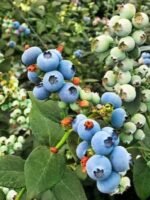

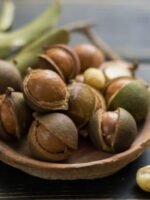
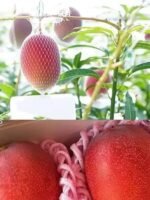




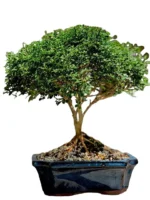
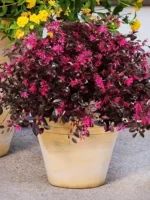
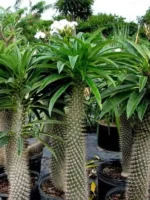

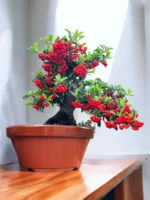














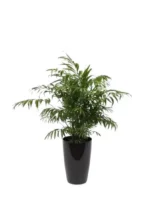

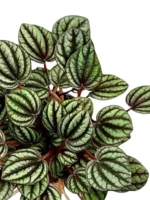


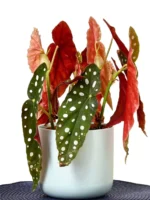
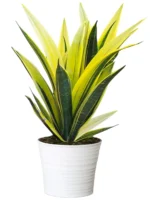





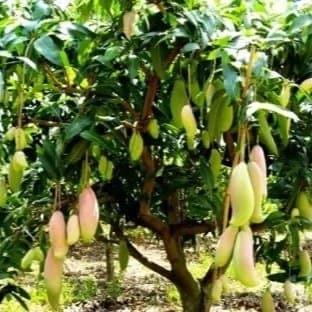
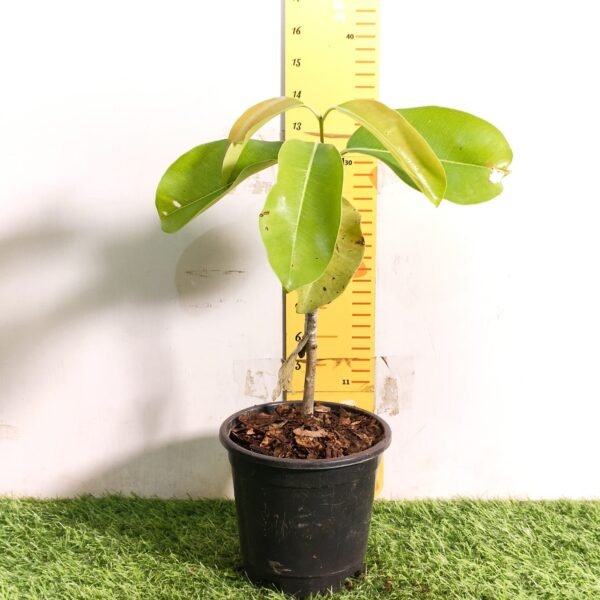
Thai Black Jamun KG-10 – Large Fruit Grafted Java Plum Tree
- 🍑 Extra-large, juicy black-purple Jamun (Java Plum) — KG-10 grafted variety known for exceptionally large fruit size
- ☀️ Full sun required — at least 6–8 hours of direct sunlight daily for optimal fruiting
- 💧 Moderate watering — water deeply once a week; drought-tolerant once established; avoid waterlogging
- 🌡️ Thrives in tropical to subtropical climates (5°C to 45°C); highly adaptable across most of India
- 📐 Medium to large fruit tree 5–10 m tall (can be kept compact with pruning) — grafted trees fruit in 2–3 years
- 🏆 Beloved Indian summer fruit — valued for health benefits, culinary use, and traditional medicine (Ayurveda)
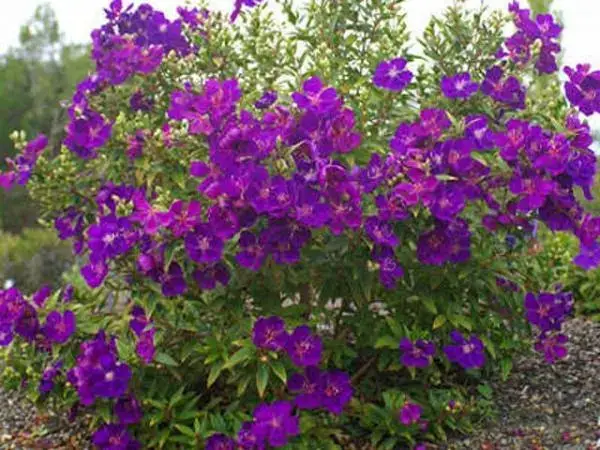

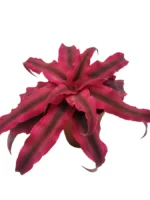
Tillandsia (Wallisia cyanea or pink quill)
Growing Tillandsia (Wallisia cyanea or pink quill) indoors is possible. However you will need to make sure it is next to a window with bright light, and good air flow. This species will thrive outside under bright, but indirect sunlight. Under a tree, verandah or deck, or in a shadehouse are all great locations for this plant.

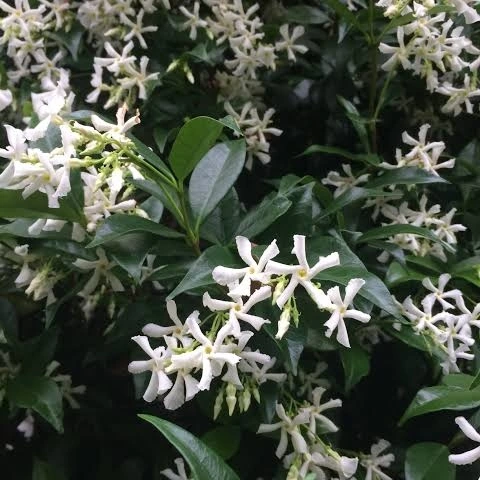
Trachelospermum jasminoides – Star Jasmine (Fragrant)
- 🤍 Masses of small white pinwheel flowers — heaviest bloom through late spring and summer
- 🌙 Sweet jasmine fragrance that strengthens after sunset — plant it near a window or sit-out
- ☀️ Full sun to part shade — more sun means noticeably more flowers
- 💧 Keep evenly moist in summer; drought-tolerant once established
- 🌡️ Wide tolerance: -5°C to 42°C — grows across hills, plains and coastal India
- 🧗 Climbs 3–6 m on a trellis, or trails from a basket and clips into a low hedge
 PEBBLES
 PLANTS GROWTH
 PLANTHING MATERIALS