





━━━━━━━━━━━━━━━━━━━━━━━━━━━━━━━━━━━━━
🎁 GIFTING BADGE
━━━━━━━━━━━━━━━━━━━━━━━━━━━━━━━━━━━━━
🎁 Perfect Gift For:
✔ Housewarming ✔ Birthday
✔ Anniversary ✔ Garden Gift
✔ Wedding Gift ✔ Festival Gift
━━━━━━━━━━━━━━━━━━━━━━━━━━━━━━━━━━━━━
About This Plant
━━━━━━━━━━━━━━━━━━━━━━━━━━━━━━━━━━━━━
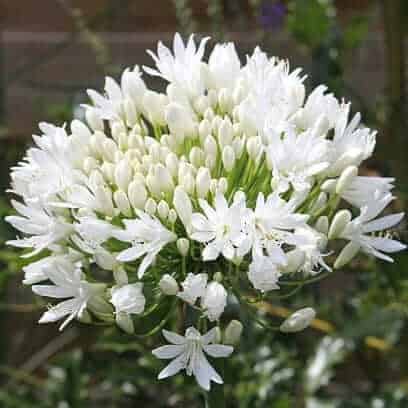
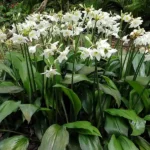
Agapanthus africanus ‘Albus’ — the White African Lily — is an evergreen, clump-forming perennial in the family Amaryllidaceae, native to the Cape region of South Africa. It produces large, rounded flower heads (umbels) of pure white, trumpet-shaped blooms on upright stems 50–100 cm tall from mid-summer through early autumn. The strap-shaped, arching deep-green leaves are evergreen, making the plant ornamental even when not in flower. Agapanthus has been cultivated in India and across the world for its striking architectural form, long flowering season, salt tolerance and versatility — thriving equally well in garden borders, coastal gardens, gravel gardens and large containers. The white-flowered form is particularly prized for its elegance and versatility, complementing virtually any garden colour scheme.
━━━━━━━━━━━━━━━━━━━━━━━━━━━━━━━━━━━━━
✨ Key Benefits
━━━━━━━━━━━━━━━━━━━━━━━━━━━━━━━━━━━━━
🌸 Produces large, rounded white flower heads on 50–100 cm stems — a spectacular mid-summer display
💚 Evergreen foliage — ornamental year-round with bold strap-shaped deep green leaves
🌊 Excellent salt tolerance — ideal for coastal gardens in Indian coastal zones
💐 Outstanding cut flower — long-lasting in the vase
🏡 Thrives in containers and garden borders — versatile placement
🐝 Attracts bees and other pollinators throughout its long flowering season
━━━━━━━━━━━━━━━━━━━━━━━━━━━━━━━━━━━━━
🌿 Care Instructions
━━━━━━━━━━━━━━━━━━━━━━━━━━━━━━━━━━━━━
☀️ Sunlight: Full sun — south, west or east-facing sheltered position; flowers poorly in shade; minimum 6 hours direct sun daily
💧 Watering: Moderate during growing season; once established, very drought-tolerant — water sparingly in dry years to maintain flower bud development; reduce in winter
🪴 Soil: Moist but well-drained; tolerates chalk, clay, loam and sand; neutral to slightly acidic or alkaline pH; never waterlogged
🌡️ Temperature: Tender evergreen — thrives 15–35°C; protect from frost below 0°C; in colder areas, move container indoors over winter
🧪 Fertilizer: Feed container plants with liquid seaweed fertilizer throughout the growing season following packet instructions; ground plants need little feeding
✂️ Pruning: Deadhead spent flower stems at the base to encourage longer flowering; remove yellowed leaves at any time; leave seedheads for winter interest if desired; divide clumps every 3–4 years in spring
━━━━━━━━━━━━━━━━━━━━━━━━━━━━━━━━━━━━━
📏 Size Guide
━━━━━━━━━━━━━━━━━━━━━━━━━━━━━━━━━━━━━
🌱 At Delivery:
Height: 20–35 cm
Pot Size: 5–6 inch nursery pot
Stage: Established young plant with healthy root system
🌿 After 1 Year:
Height: 30–60 cm
Spread: 10–30 cm
Growth Rate: Slow to medium
🌳 Fully Grown:
Height: 50–100 cm (flower stems included)
Spread: 10–50 cm
Time to Ultimate Height: 2–5 years
📌 Space Needed:
Minimum Pot Size: 20–23 cm (8–9 inch) diameter container
Floor Space: 1–2 sq ft per clump
━━━━━━━━━━━━━━━━━━━━━━━━━━━━━━━━━━━━━
📅 Seasonal Availability & Behaviour
━━━━━━━━━━━━━━━━━━━━━━━━━━━━━━━━━━━━━
🌸 Spring (Feb – Apr):
New growth emerges from the clump. This is the best time to plant or divide established clumps. Begin watering and feeding container plants. Plant with the nose 5 cm below soil surface.
☀️ Summer (May – Aug):
Peak flowering season — large white umbels appear on tall stems from June onward, continuing into early autumn. Water container plants regularly; do not allow to dry out completely as this inhibits next year’s flower bud development.
🌧️ Monsoon (Jul – Sep):
Ensure sharp drainage — waterlogged roots can rot. The monsoon humidity is generally well-tolerated. Continue deadheading spent flower heads to extend blooming.
🍂 Autumn (Oct – Nov):
Flowering winds down. Remove spent flower stems at the base. Apply a 15–23 cm layer of mulch around in-ground plants in cold zones for winter protection.
❄️ Winter (Dec – Jan):
Evergreen foliage remains. In frost-prone areas, move containers under cover or wrap in 2–3 layers of fleece from November to April. Reduce watering but do not allow to dry out completely.
🛒 Best Time to Buy & Plant: Spring (March–April) is ideal; container plants can also be purchased and planted in summer.
━━━━━━━━━━━━━━━━━━━━━━━━━━━━━━━━━━━━━
🌍 Climate Zone Compatibility
━━━━━━━━━━━━━━━━━━━━━━━━━━━━━━━━━━━━━
Cold hardiness: Tender — protect below 0°C; evergreen varieties need frost-free winters
Optimal growth temp: 18°C – 32°C
Minimum viable temp: 5°C (brief); prolonged frost kills the plant
Heat stress above: 40°C (provide adequate moisture)
✅ IDEAL — WILL GROW AND FLOWER RELIABLY
✅ Z5 — Subtropical Monsoon · Winter 8–14°C / Summer up to 38°C · Elevation 50–600m · Monsoon 5–6 months
✅ Z6 — Subtropical Monsoon Highland · Winter 10–13°C / Summer up to 32°C · Elevation 800–1,400m
✅ Z7 — Humid Subtropical · Winter 8–15°C / Summer up to 42°C · Elevation 100–700m · Dry season 3–4 months
✅ Z9 — Cool Tropical Highland · Winter 5–12°C / Summer up to 28°C · Elevation 1,600–2,500m · Nilgiri Hills
✅ Z10 — Tropical Mid-Elevation Monsoon · Winter 9–15°C / Summer up to 38°C · Elevation 600–1,500m
✅ Z11 — Tropical Monsoon Coastal · Winter 14–24°C / Summer up to 38°C · Elevation 0–200m · Ideal coastal garden plant
✅ Z12 — Tropical Wet & Dry Savanna · Winter 11–17°C / Summer up to 40°C · Elevation 300–1,000m
✅ Z14 — Tropical Wet & Dry Savanna Coastal · Winter 17–22°C / Summer up to 42°C · Elevation 0–400m · Coastal
⚠️ POSSIBLE — MAY GROW WITH EXTRA CARE
⚠️ Z4 — Subtropical Highland · Winter 0–8°C / Summer up to 33°C · Frost protection needed in winter; container growing recommended
⚠️ Z8 — Subtropical Semi-Arid · Winter 5–12°C / Summer up to 44°C · Needs consistent irrigation; mulch heavily
⚠️ Z13 — Tropical WDS Hot Interior · Winter 11–18°C / Summer up to 48°C · Extreme summer heat stresses plant; deep irrigation needed
⚠️ Z15 — Tropical Semi-Arid · Winter 12–16°C / Summer up to 45°C · Irrigation critical; afternoon shade in peak summer
⚠️ Z18 — Tropical Hot Semi-Arid · Winter 16–20°C / Summer up to 46°C · Possible with regular watering
❌ NOT RECOMMENDED — TOO COLD OR TOO HARSH
❌ Z1 — Cold Alpine · Winter down to −20°C or below · Far too cold; plant cannot survive
❌ Z2 — Cold Hills · Winter down to 1–5°C / Summer up to 25°C · Frost risk too high for this evergreen tender variety
❌ Z3 — Subtropical Hills · Winter 3–8°C / Summer up to 28°C · Marginal; frost damage likely without protection
❌ Z16 — Subtropical Hot Semi-Arid Continental · Summer up to 48°C · Extreme heat combined with aridity makes establishment very difficult
❌ Z17 — Subtropical Hot Arid · Summer up to 50°C · True desert conditions; not viable
━━━━━━━━━━━━━━━━━━━━━━━━━━━━━━━━━━━━━
🏠 Perfect For
━━━━━━━━━━━━━━━━━━━━━━━━━━━━━━━━━━━━━
👤 Who: Coastal gardeners, cut-flower enthusiasts, container garden lovers, border designers
📍 Where: Garden borders, gravel gardens, coastal gardens, large terrace containers, Mediterranean-style gardens
🎯 Why: Long-lasting pure white blooms, evergreen foliage, salt-tolerant, excellent cut flower, architectural form
━━━━━━━━━━━━━━━━━━━━━━━━━━━━━━━━━━━━━
📦 What You Get
━━━━━━━━━━━━━━━━━━━━━━━━━━━━━━━━━━━━━
1 healthy Agapanthus Lily White plant in a 5–6 inch nursery pot
Carefully packed for safe pan-India delivery
Nursery grown under optimal conditions
Free plant care guide
100% healthy plant guarantee
━━━━━━━━━━━━━━━━━━━━━━━━━━━━━━━━━━━━━
❓ Frequently Asked Questions
━━━━━━━━━━━━━━━━━━━━━━━━━━━━━━━━━━━━━
Q: When does Agapanthus White flower in India?
A: In most Indian warm zones, flowering occurs from June through August–September, following the onset of warm summer conditions. The flowering period extends over several weeks.
Q: Can I grow Agapanthus in a pot?
A: Yes — grow in a minimum 20–23 cm (8–9 inch) diameter container in moist, well-drained compost. Feed with liquid seaweed fertiliser throughout the growing season. Agapanthus does not actually prefer to be pot-bound despite popular belief — repot into a container 2.5–5 cm larger every 2–3 years to maintain flowering.
Q: How much sun does it need?
A: Full sun is essential — at least 6 hours of direct sunlight daily. Plants in shade produce few or no flowers.
Q: Is it safe for pets?
A: No — all parts of Agapanthus are harmful if eaten by humans, dogs or cats. Wear gloves when handling and keep away from pets and children.
Q: How do I propagate Agapanthus?
A: Divide established clumps every 3–4 years in spring (late March–April). Each divided clump will be identical to the parent plant. Agapanthus can also be grown from seed, but seedlings will vary and take longer to flower.
Q: Why isn’t my Agapanthus flowering?
A: Common reasons include: too much shade, insufficient watering during late summer (which affects next year’s flower buds), over-potting or being excessively pot-bound, or cold damage. Ensure full sun, regular summer watering and pot up into a container 2.5–5 cm larger every 2–3 years.
Q: Do you provide a care guide?
A: Yes! Every order comes with a free, detailed care guide written specifically for this plant.


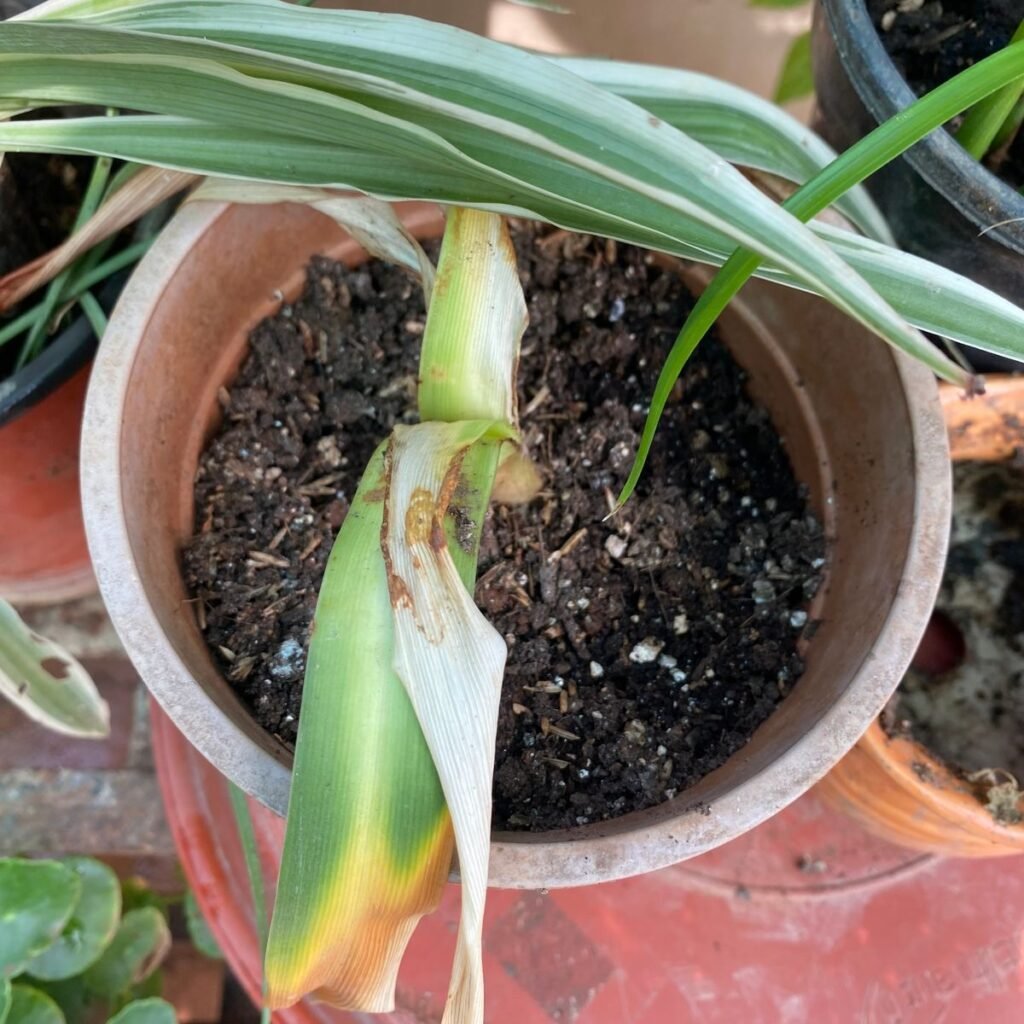
Good firm bulb. Waiting for it sprout new leaves.