━━━━━━━━━━━━━━━━━━━━━━━━━━━━━━━━━━━━━
🎁 GIFTING BADGE
━━━━━━━━━━━━━━━━━━━━━━━━━━━━━━━━━━━━━
🎁 Perfect Gift For:
✔ Housewarming ✔ Birthday
✔ Anniversary ✔ Garden Lovers
✔ Get Well Soon ✔ Festival Gift
━━━━━━━━━━━━━━━━━━━━━━━━━━━━━━━━━━━━━
About This Plant
━━━━━━━━━━━━━━━━━━━━━━━━━━━━━━━━━━━━━
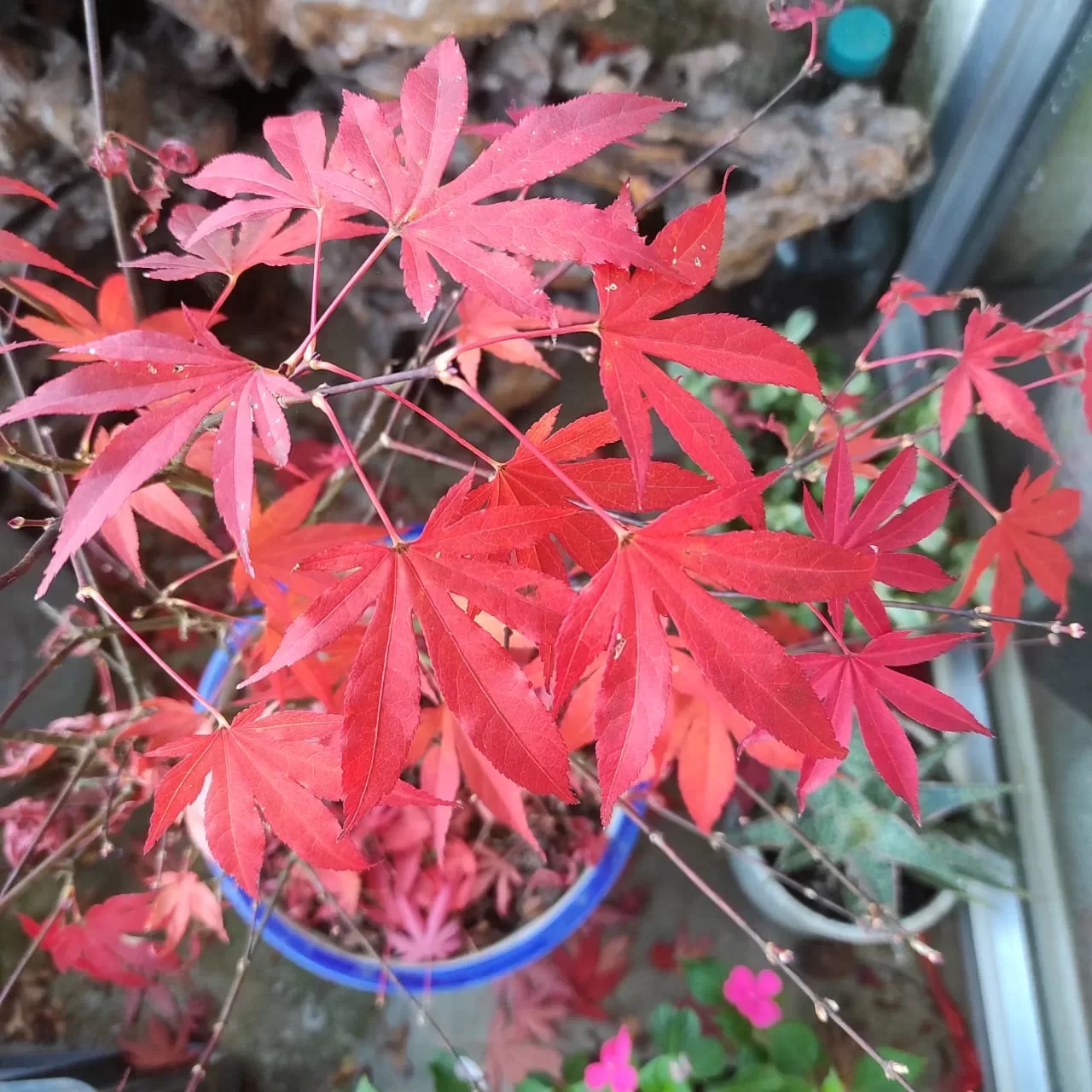
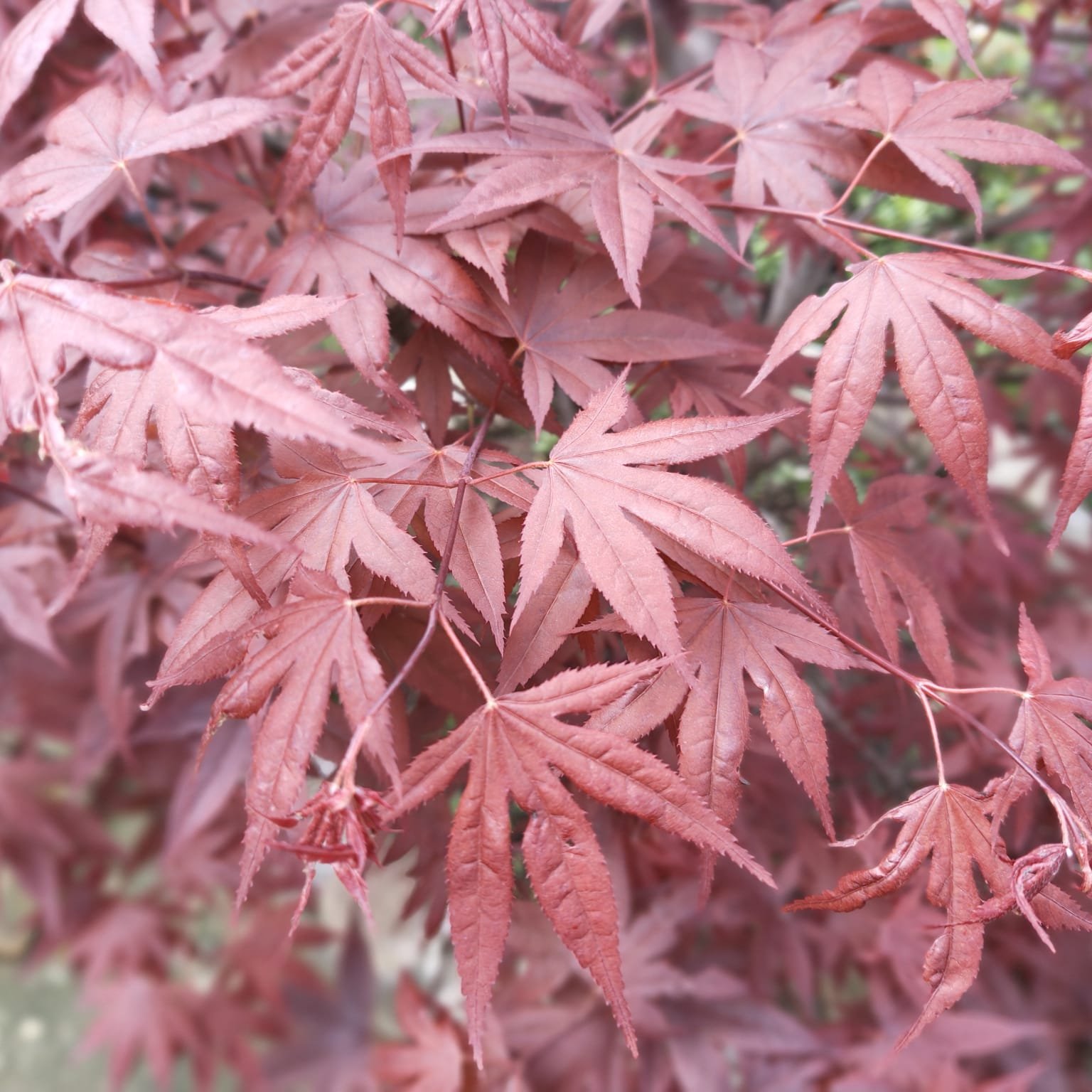
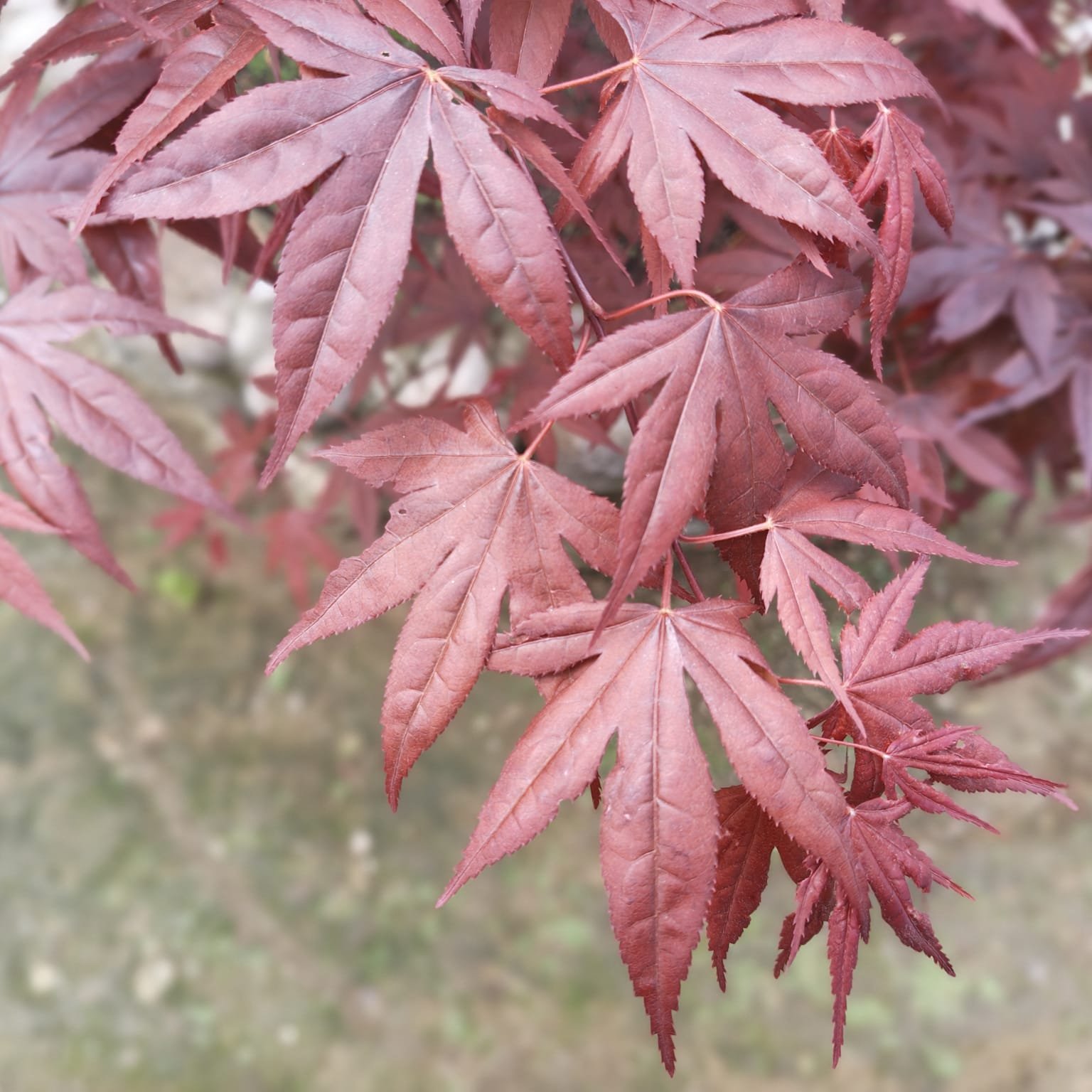
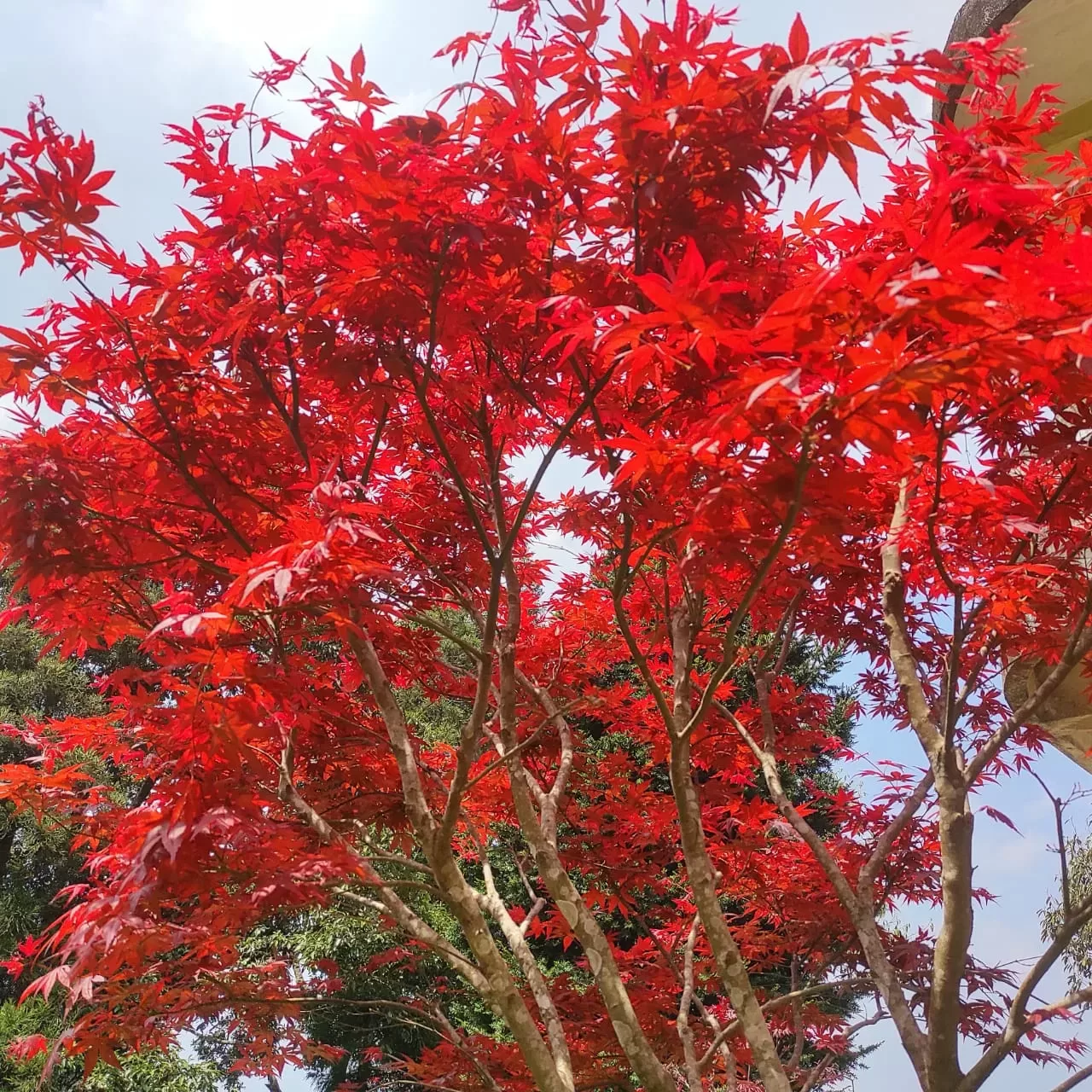
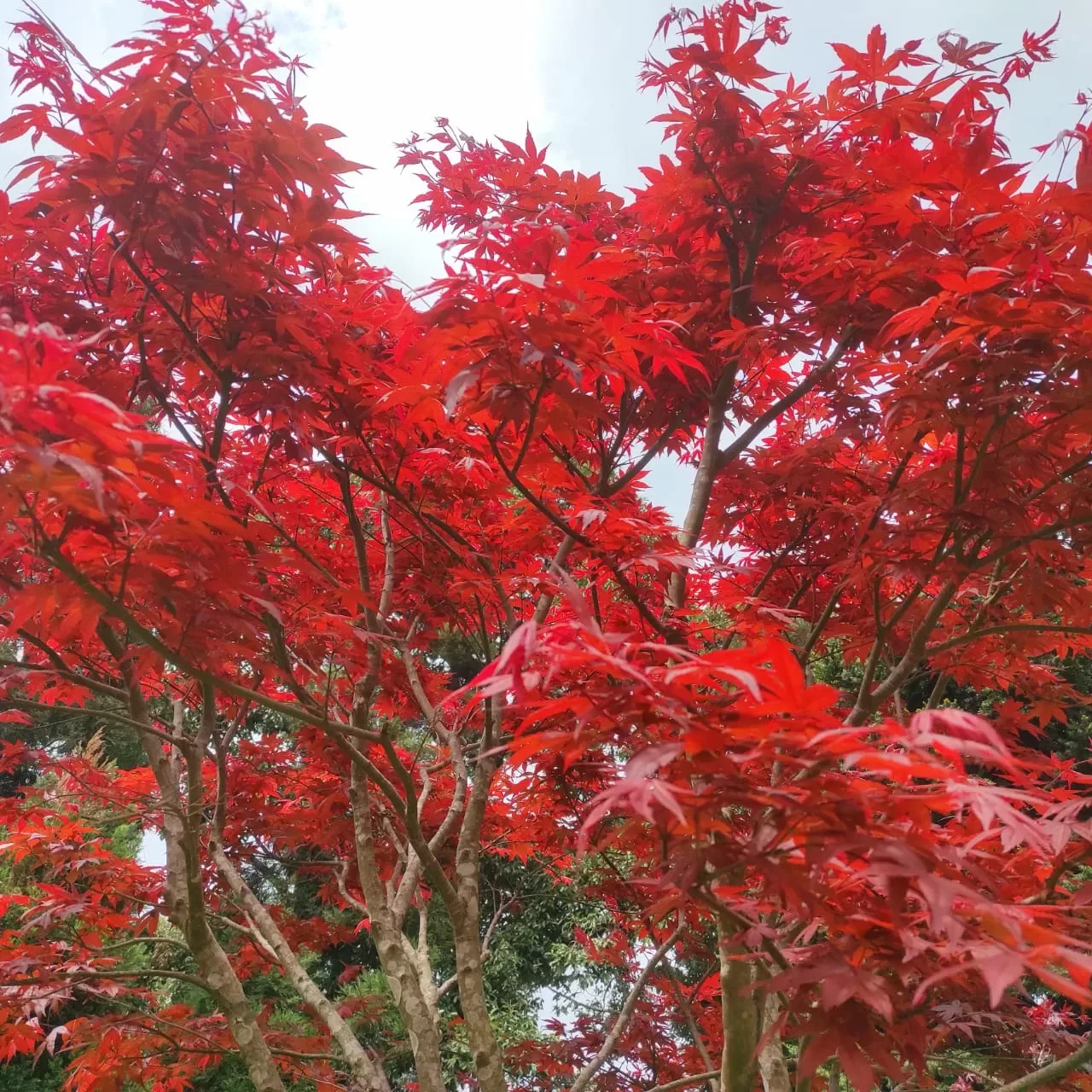
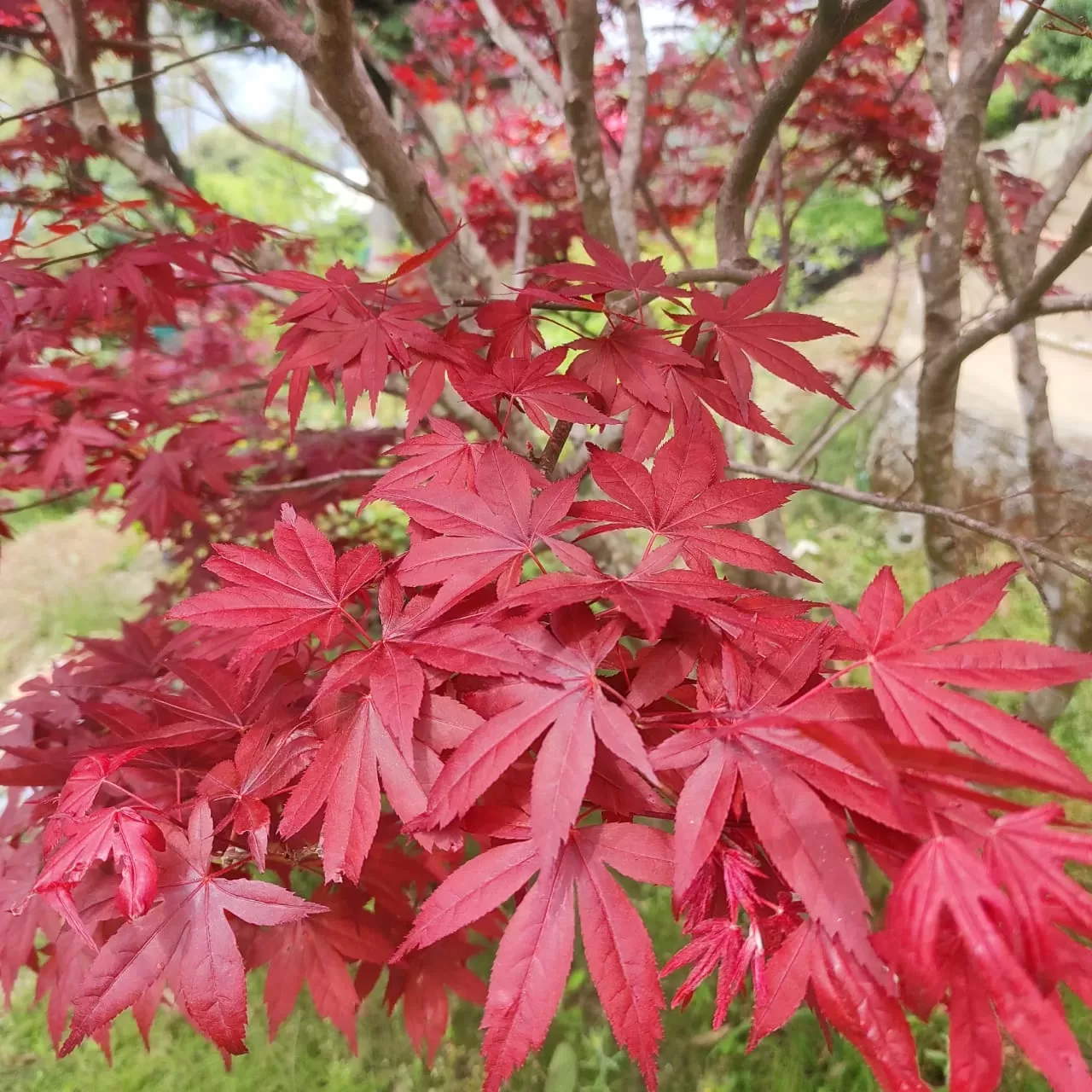
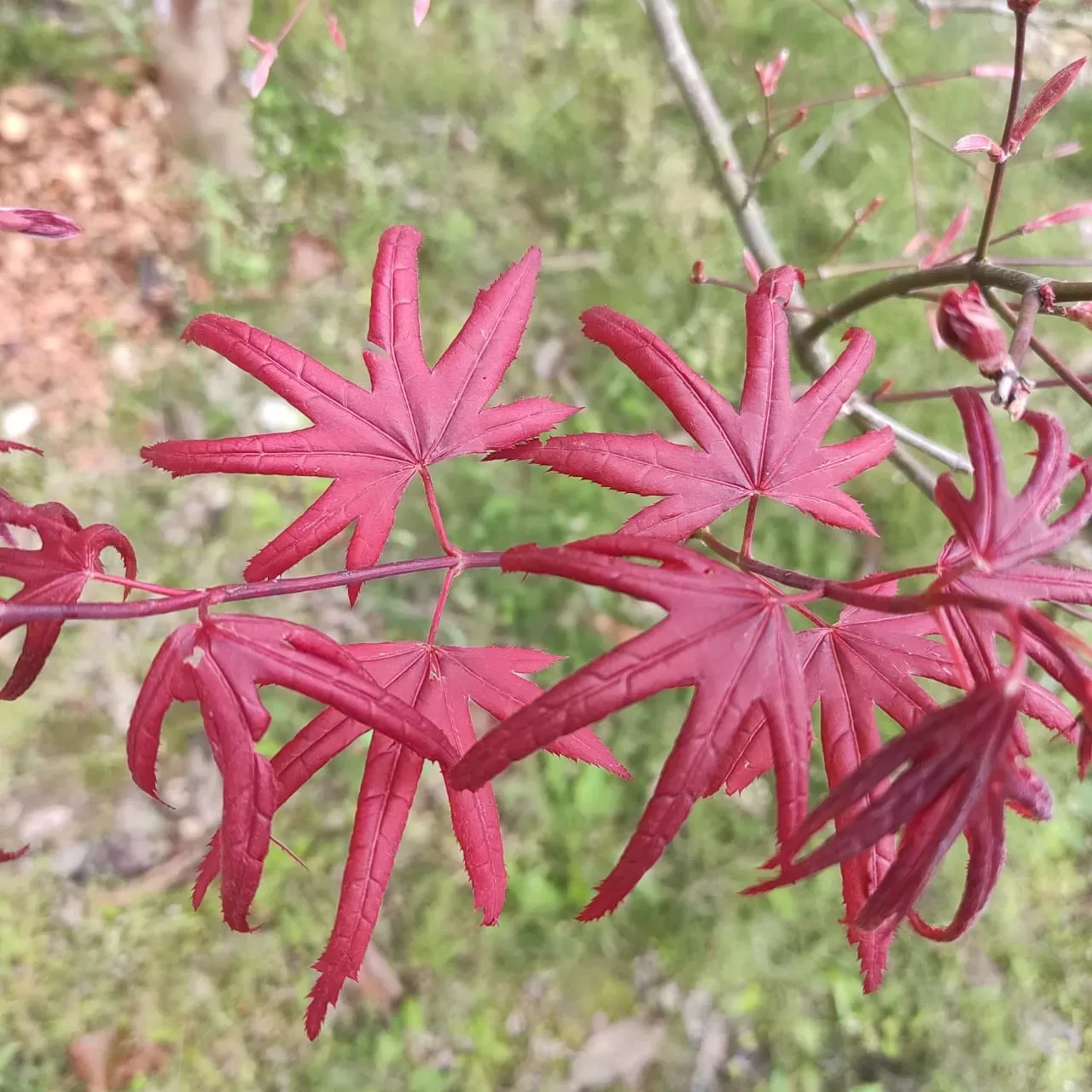
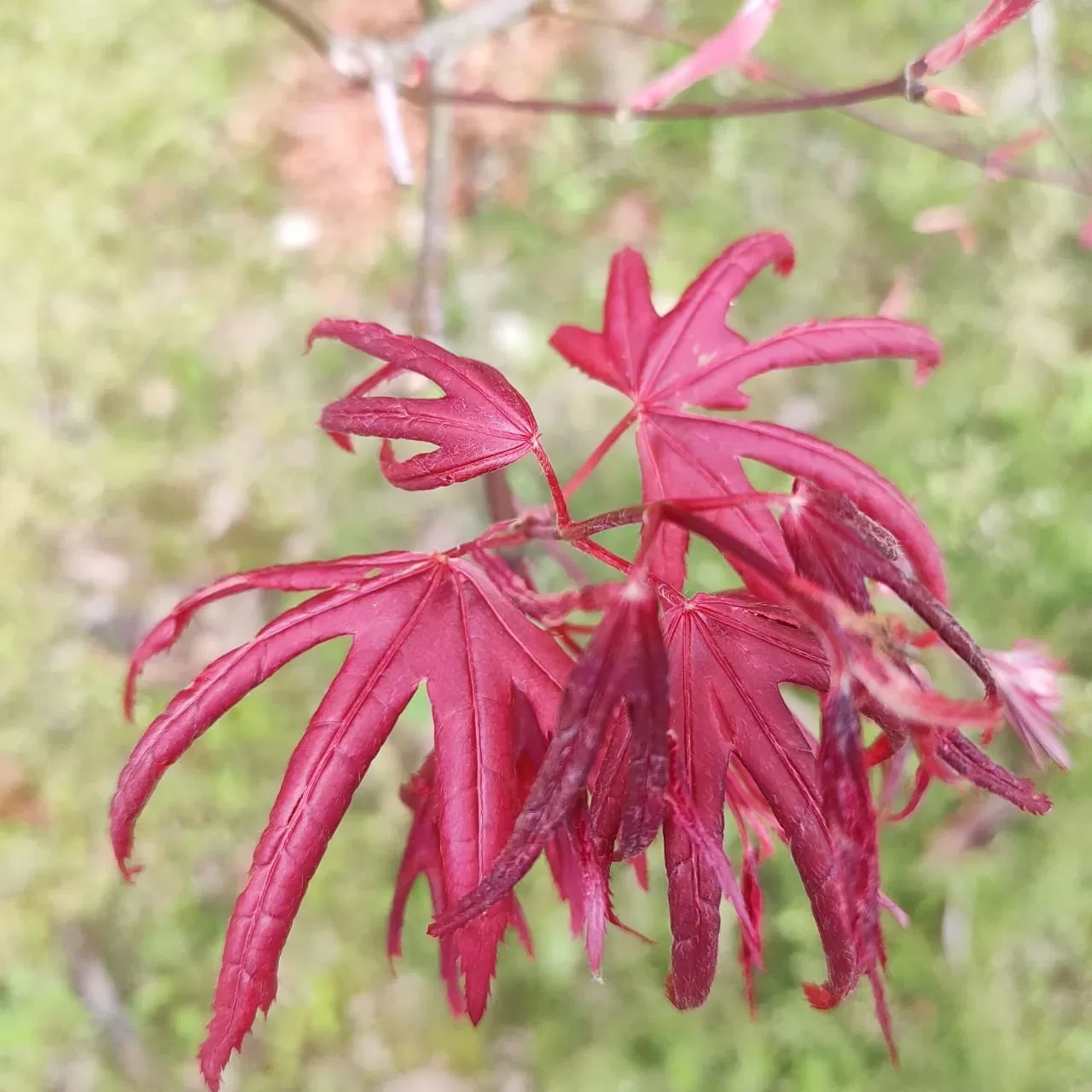
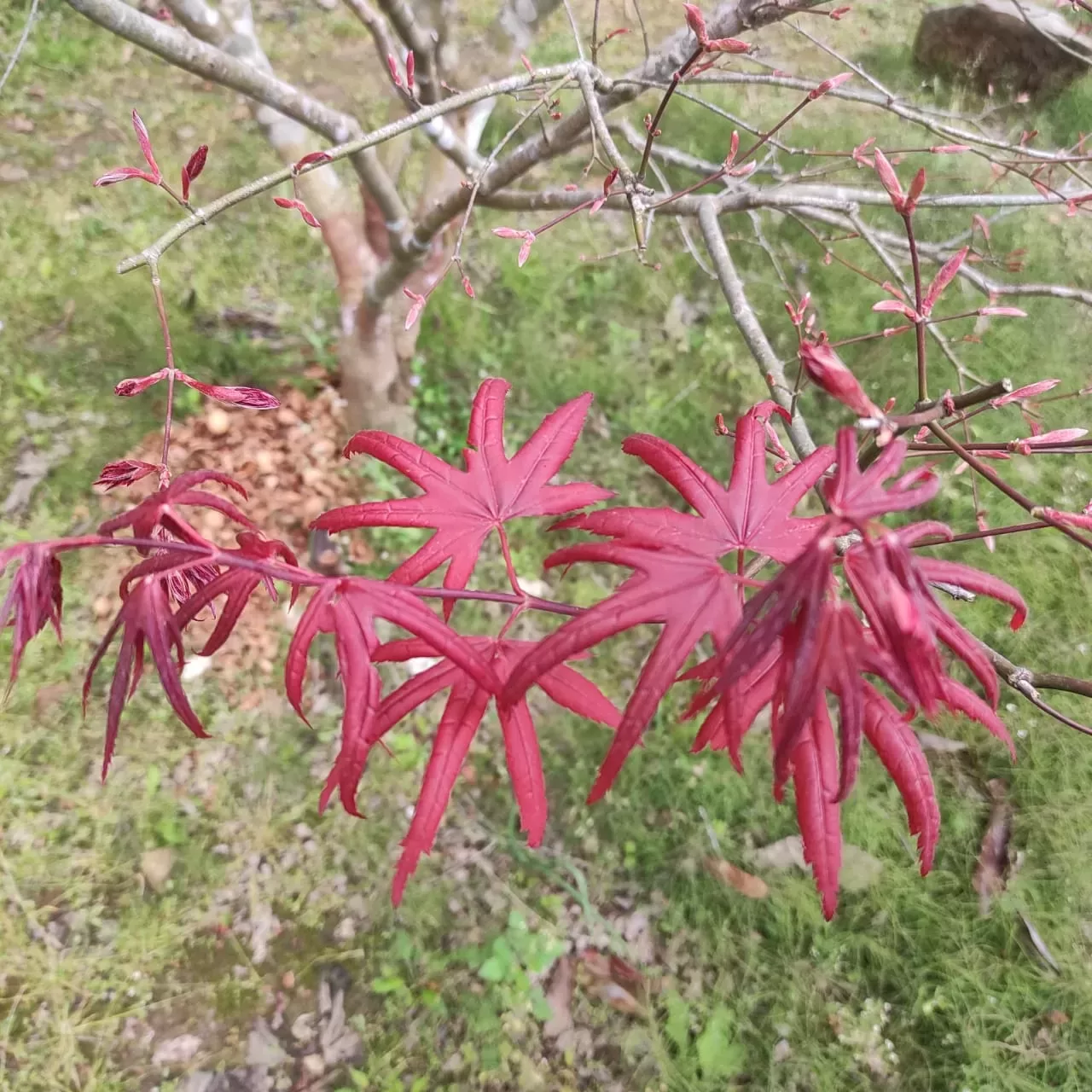
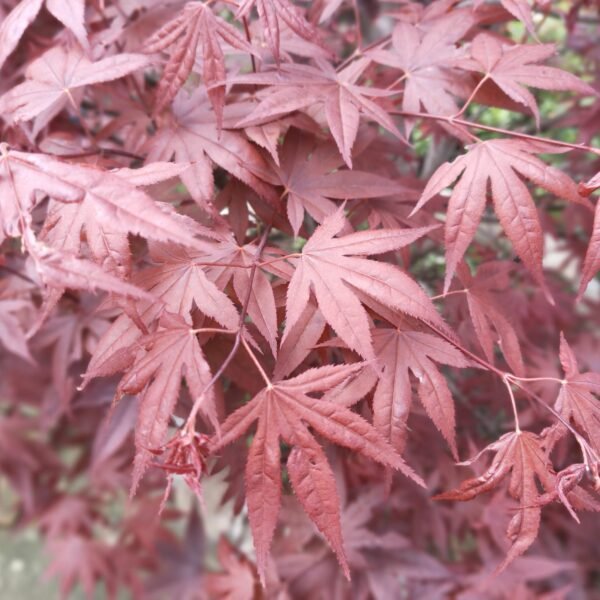
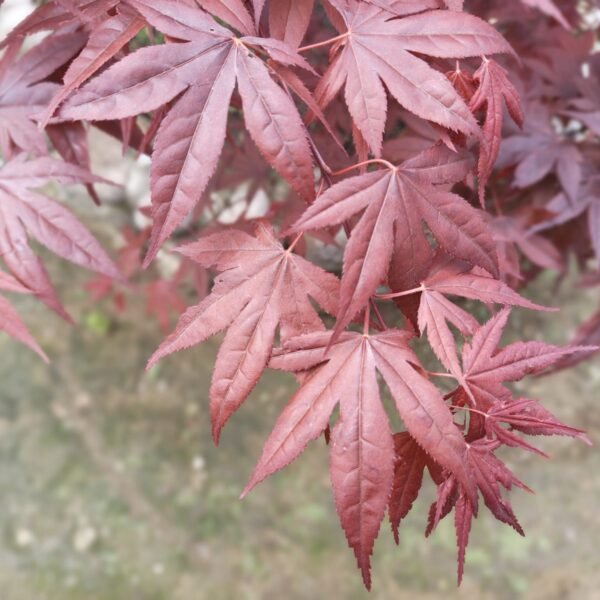
The Japanese Red Maple (Acer palmatum) is one of the most sought-after ornamental trees in the world. Native to Japan, Korea, and China, this elegant deciduous tree is beloved for its deeply lobed, star-shaped leaves that flush a rich, vivid red throughout spring and summer before transforming into blazing crimson and orange in autumn. Whether you are crafting a Japanese-style garden, growing a stunning bonsai, or want a statement tree for your balcony or terrace, the Japanese Red Maple delivers year-round visual drama and timeless beauty.
━━━━━━━━━━━━━━━━━━━━━━━━━━━━━━━━━━━━━
✨ Key Benefits
━━━━━━━━━━━━━━━━━━━━━━━━━━━━━━━━━━━━━
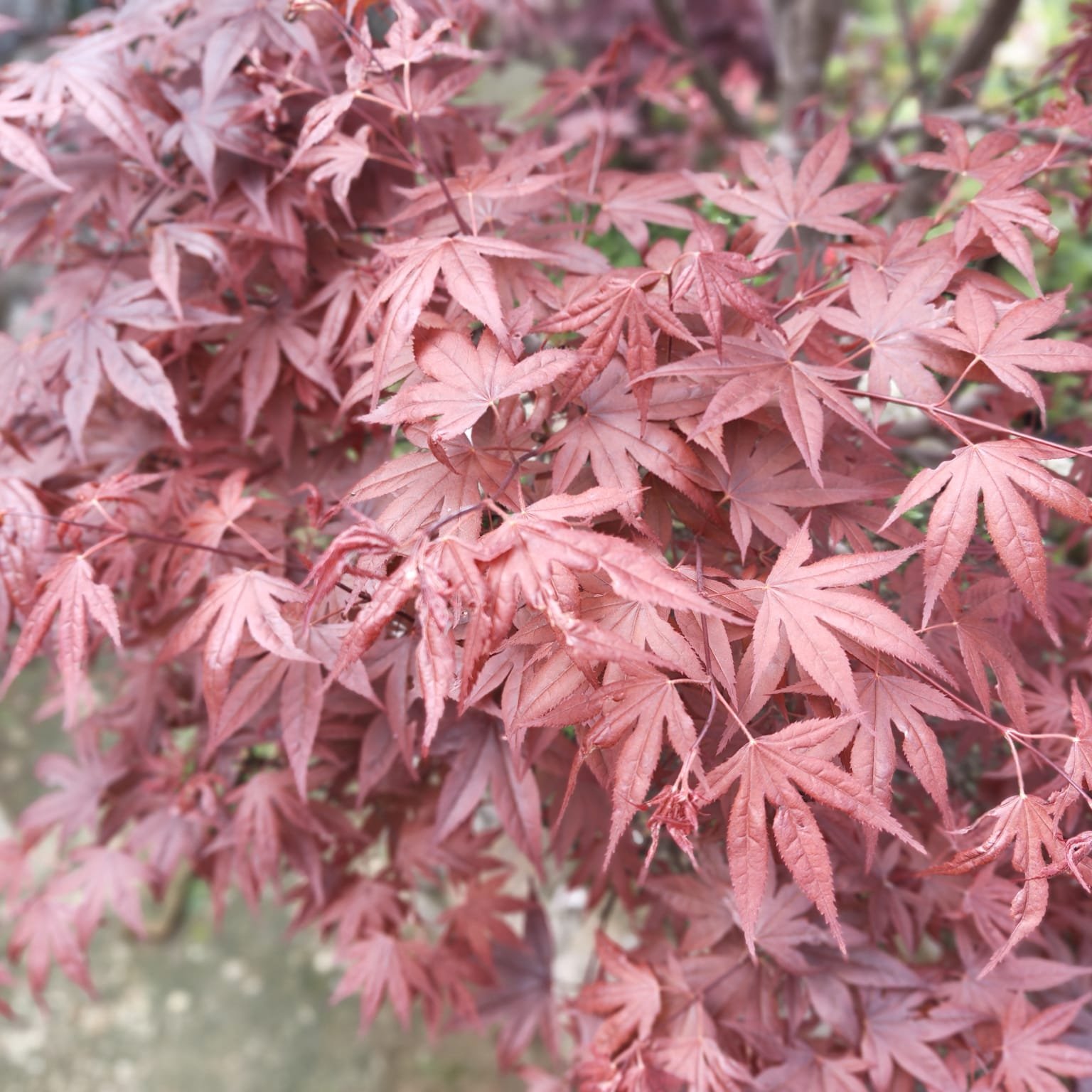
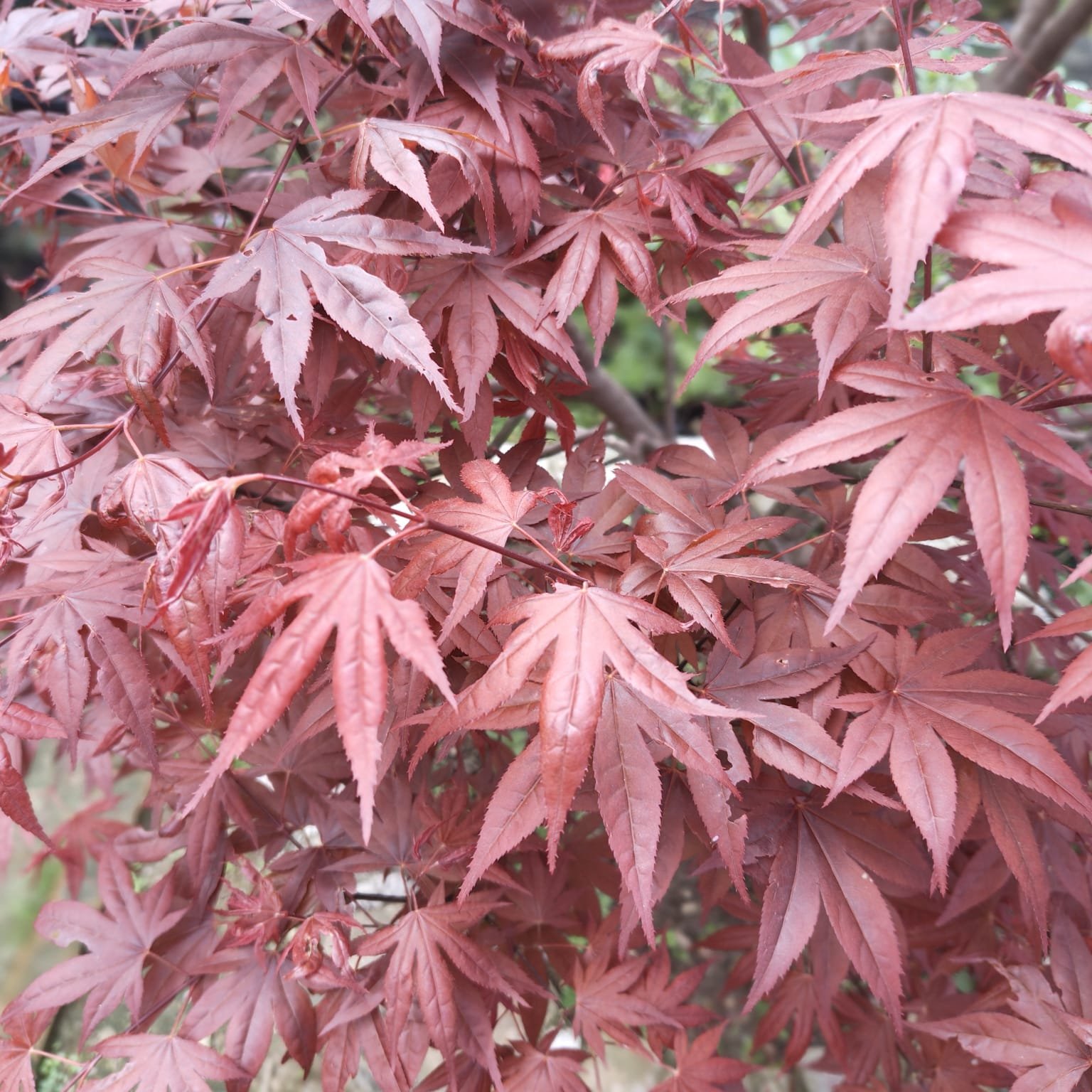
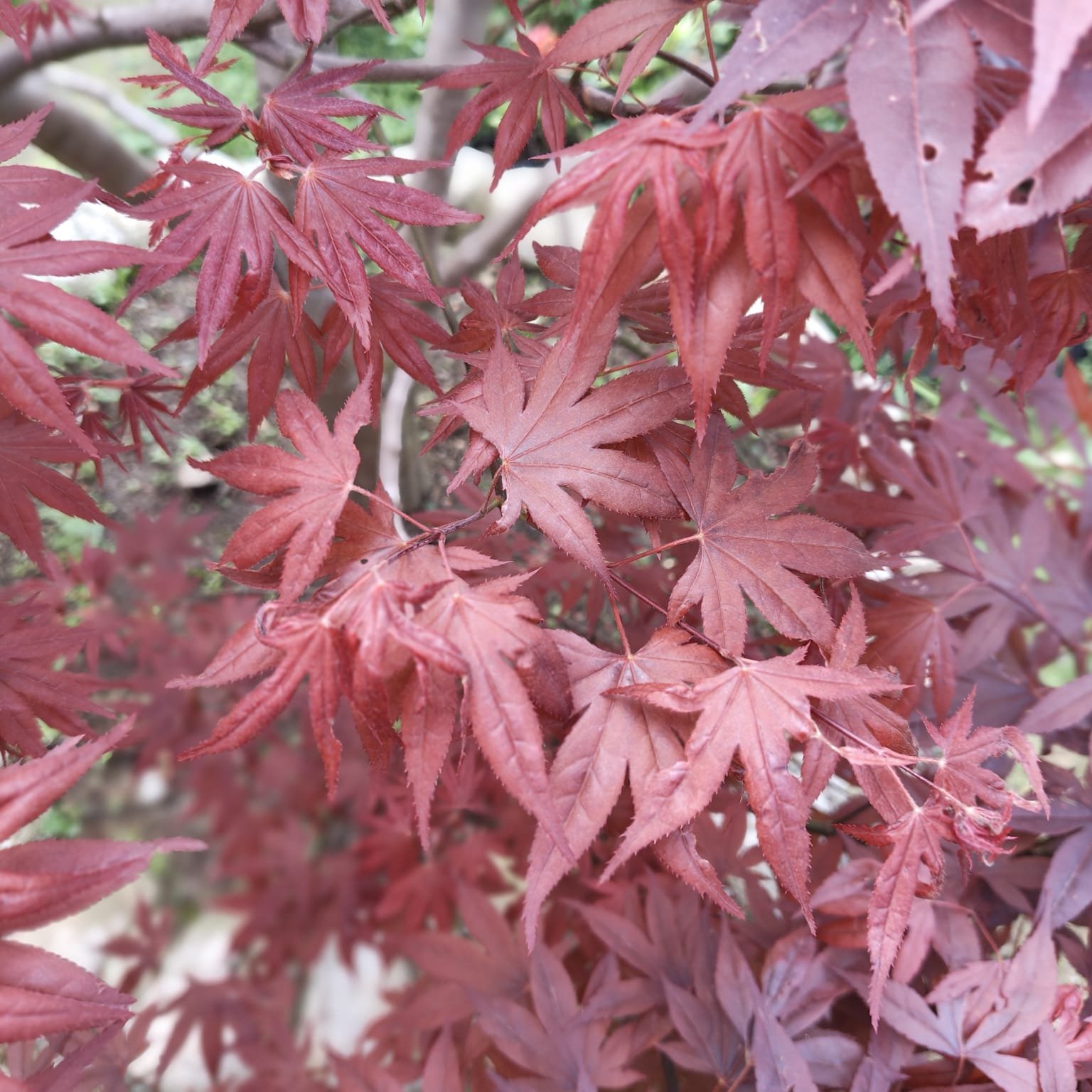
- 🍁 Vivid red-to-burgundy foliage in spring & summer — blazing crimson in autumn
- 🏡 Elegant size (2–6 m) — ideal for gardens, balconies, and terrace containers
- 🎋 Excellent for bonsai training — a classic subject for Japanese bonsai artists
- 🌸 Year-round ornamental appeal — stunning in every season
- ✅ Low-maintenance once established in the right cool climate
━━━━━━━━━━━━━━━━━━━━━━━━━━━━━━━━━━━━━
🌿 Care Instructions
━━━━━━━━━━━━━━━━━━━━━━━━━━━━━━━━━━━━━
☀️ Sunlight: Morning sun with afternoon shade — avoid harsh direct midday sun, especially in summer. In cooler climates, more direct sun enhances red colour intensity.
💧 Watering: Keep soil consistently moist but never waterlogged. Water deeply 2–3 times a week in summer; reduce in winter. Mulching helps retain moisture.
🪴 Soil: Well-drained, slightly acidic soil enriched with compost. Avoid heavy clay soils. Target pH 5.5–6.5.
🌡️ Temperature: Thrives in 0–27°C. In hot Indian summers, provide afternoon shade and increase watering to protect foliage from scorching. Best for cooler regions and hill stations.
🧪 Fertiliser: Slow-release balanced fertiliser in spring. Avoid high nitrogen — it promotes green growth at the expense of red colour.
✂️ Pruning: Light pruning in late winter or early spring. Remove dead or crossing branches to improve airflow and shape.
❄️ Cold Resistance: Good cold hardiness. Protect roots with mulch in harsh winters.
━━━━━━━━━━━━━━━━━━━━━━━━━━━━━━━━━━━━━
📏 Size Guide
━━━━━━━━━━━━━━━━━━━━━━━━━━━━━━━━━━━━━
🌱 At Delivery:
Height: 30–50 cm
Pot Size: 6-inch nursery pot
Stage: Young, established sapling
🌿 After 2 Years:
Height: 80–130 cm
Spread: 60–90 cm
Growth Rate: Slow to moderate
🌳 Fully Grown:
Height: 2–6 m (container-grown plants stay much smaller)
Spread: 2–4 m
Time to First Full Colour: 2–3 years from sapling
📌 Space Needed:
Minimum Pot Size: 18–24 inch terracotta or wooden pot
Garden Spacing: 2–3 m from other trees or walls
━━━━━━━━━━━━━━━━━━━━━━━━━━━━━━━━━━━━━
📅 Seasonal Availability & Behaviour
━━━━━━━━━━━━━━━━━━━━━━━━━━━━━━━━━━━━━
🌸 Spring (Feb – Apr):
Vivid red leaves emerge — the most striking display. Begin light fertilising after new growth appears.
☀️ Summer (May – Aug):
Rich red-to-burgundy foliage. Maintain regular watering. Provide afternoon shade in hotter zones.
🍂 Autumn (Sep – Nov):
Leaves transform to brilliant crimson and orange before dropping. Reduce watering. Apply leaf compost around root zone.
❄️ Winter (Dec – Jan):
Plant goes dormant — bare branches with graceful silhouette. Do not fertilise. Mulch roots well.
🛒 Best Time to Buy & Plant:
February to April or September to October — allows roots to establish before the next colour season.
━━━━━━━━━━━━━━━━━━━━━━━━━━━━━━━━━━━━━
🌍 Climate Zone Compatibility
━━━━━━━━━━━━━━━━━━━━━━━━━━━━━━━━━━━━━
Cold hardiness Down to −29°C | Optimal growth temp Winter −10°C – Summer 25°C | Winter dormancy Needed for colour & vigour |
Heat stress above 30°C (86°F) | Ideal Indian zones Z1 · Z2 · Z3 · Z4 · Z9 | Temperature range −29°C to 30°C |
✅ Ideal — best foliage colour and reliable growth
| ✅ | Z1 — Cold Alpine · Winter down to −20°C or below / Summer up to 20°C Elevation 3,000–5,500m · Rainfall <300mm · Dry season 8+ months · Deep dormancy — hardiest conditions | ▼ |
Bloodgood Japanese Maple is exceptionally cold hardy — surviving down to −29°C — and the Cold Alpine zone delivers exactly the deep winter dormancy this tree needs to reset and produce its finest spring colour. The prolonged freeze triggers full leaf drop, shuts down the vascular system cleanly, and allows the striking red-black bark to take centre stage through winter. Cool summers peaking at only 20°C keep the tree completely stress-free, allowing the deep burgundy foliage to hold its colour without any risk of scorching. Elevation and thin air reduce humidity, which actually benefits this maple by reducing fungal pressure on the bark and stems.
| ✅ | Z2 — Cold Hills · Winter down to 1–5°C / Summer up to 25°C Elevation 1,800–3,000m · Rainfall 700–4,000mm · Monsoon 4–5 months · Full dormancy — excellent vigour | ▼ |
This is the prime zone for Bloodgood in India. Cold winters deliver deep, reliable dormancy — allowing the tree to fully rest, reset its vascular system, and store energy for spring — while summers staying below 25°C allow the tree to maintain its signature deep burgundy-red foliage throughout the growing season without any colour loss or leaf scorch. High-rainfall variants of this zone keep the soil consistently moist, which is the single most important factor in preventing leaf scorch. Expect spectacular crimson fall colour, vigorous spring growth, and the deep purple-red summer display this cultivar is famous for.
| ✅ | Z3 — Subtropical Hills · Winter down to 3–8°C / Summer up to 28°C Elevation 1,500–2,500m · Rainfall 800–2,500mm · Monsoon 4–5 months · Full dormancy — best colour | ▼ |
Temperate Hills deliver reliable winter dormancy and summer peaks of 28°C — well under the 30°C heat stress threshold. The tree experiences almost no thermal stress across the entire growing season. Foliage colour is at its most dramatic in this zone — the moderate warmth intensifies the burgundy-red pigmentation without causing the greenish fade that heat stress produces. This zone also provides the best balance of moisture and drainage, reducing the risk of verticillium wilt which is the primary disease concern for this species.
| ✅ | Z4 — Subtropical Highland · Winter down to 0–8°C / Summer up to 33°C Elevation 1,200–2,200m · Rainfall 500–3,600mm · Mixed monsoon · Dormancy sufficient at elevation | ▼ |
At higher elevations within this zone (above 1,500m), chilling hours are sufficient for reliable dormancy and good growth. Elevation is the key factor — the higher you are, the better the colour retention and vigour. Summer peaks of 30–33°C approach the heat stress threshold, so afternoon shade from 11am–4pm is essential from May onwards. Plant in a north or east-facing bed, apply deep organic mulch to keep roots cool, and water deeply every 3–4 days during summer. Foliage may show slight colour fade to greenish-red in peak summer but will deepen again with cooler temperatures in September. Avoid low-lying valley floors within this zone where warm air pools in summer.
| ✅ | Z9 — Cool Tropical Highland · Winter 5–12°C / Summer up to 28°C Elevation 1,600–2,500m · Nilgiri Hills / Western Ghats · Rainfall 1,500–3,000mm · Monsoon 5–6 months | ▼ |
This zone offers the best conditions outside the Himalayan zones for Bloodgood Japanese Maple. Cool summers peaking at only 22–28°C are well below the 30°C heat stress threshold — the tree experiences zero thermal stress and will never suffer leaf scorch. Consistent rainfall of 1,500–3,000mm keeps soil moisture perfect year-round. The deep burgundy foliage will be lush, healthy, and well-maintained throughout the growing season. The only limitation is that winters of 5–12°C at low latitudes (8–12°N) provide marginal dormancy — the tree rests but not as deeply as in Z1–Z4, meaning autumn colour will be softer — warm golds and reds rather than the vivid crimson display seen in colder zones. Overall an excellent growing zone — the tree will thrive, look beautiful, and live for many decades.
⚠️ Possible — will survive, colour and vigour reduced
| ⚠️ | Z6 — Subtropical Monsoon Highland · Winter 10–13°C / Summer up to 32°C Elevation 800–1,400m · Monsoon 5–6 months · Rainfall 1,500–3,200mm · Dry season 5–6 months — no frost ever | ▼ |
This zone sits at 800–1,400m elevation just above the Tropic of Cancer at 21–25°N. Cool summers peaking at only 32°C are well below the 30°C heat stress threshold — the tree experiences zero thermal stress and will never suffer leaf scorch. Consistent rainfall of 1,500–3,200mm keeps soil moisture ideal year-round. The deep burgundy foliage will be lush, healthy, and well-maintained throughout the growing season. The only limitation is that winters of 10–13°C at low latitudes provide marginal dormancy — the tree rests but not as deeply as in Z1–Z4, meaning autumn colour will be softer — warm golds and reds rather than the vivid crimson display seen in colder zones. Overall an excellent growing zone — the tree will thrive, look beautiful, and live for many decades.
❌ Not recommended — will not survive long-term outdoors
| ❌ | Z5 — Subtropical Monsoon · Winter 8–14°C / Summer up to 38°C Elevation 50–600m · Monsoon 5–6 months · Rainfall 1,800–4,000mm · Humidity 75–95% | ▼ |
Summer peaks of 38°C are 8°C above the 30°C heat stress threshold — causing severe and persistent leaf scorch, premature leaf drop, and significant crown weakening each season. At these temperatures the tree burns through its energy reserves faster than it can replace them. Heavy monsoon rainfall (1,800–4,000mm) raises the risk of verticillium wilt — the primary fatal disease of Japanese maples. The tree will not survive multiple seasons outdoors. Not viable for outdoor cultivation.
| ❌ | Z7 — Humid Subtropical · Winter 8–15°C / Summer up to 42°C Elevation 100–700m · Dry season 3–4 months · Rainfall 800–2,200mm · Summer hot — 38–42°C | ▼ |
Summer peaks of 42°C are 12°C above the 30°C heat stress threshold — causing irreversible and cumulative damage each season. Leaf scorch is severe, premature leaf drop is common from June onwards, and the root system is chronically stressed. The tree cannot recover between seasons and will progressively weaken until it fails. Not viable for outdoor cultivation under any circumstances.
| ❌ | Z8 — Subtropical Semi-Arid · Winter 5–12°C / Summer up to 44°C Elevation 10–200m · Dry season 7 months · Rainfall 400–800mm · Semi-arid steppe | ▼ |
Summer peaks of 44°C are 14°C above the 30°C heat stress threshold, combined with chronic drought (only 300–500mm rainfall annually) — a doubly fatal combination for Japanese maple which demands both cool temperatures and consistently moist soil. At 44°C, leaf tissue dies within days of exposure. The tree cannot survive a full outdoor summer in this zone under any conditions.
| ❌ | Z10 — Tropical Mid-Elevation Monsoon · Winter 9–15°C / Summer up to 38°C Elevation 600–1,500m · Monsoon 6–7 months · Rainfall 2,500–6,000mm · Humidity 80–95% | ▼ |
Winters of 9–15°C provide virtually no effective chilling for dormancy. Without proper dormancy the tree cannot reset its internal cycle — it stays semi-evergreen, gradually exhausts its energy reserves, and declines over 2–3 seasons. Extreme monsoon rainfall (2,500–6,000mm) creates persistently waterlogged soils, dramatically increasing the risk of verticillium wilt and root rot which are fatal to Japanese maples. Summer peaks of 38°C cause chronic leaf scorch. The tree will not thrive and is unlikely to survive beyond 2–3 years.
| ❌ | Z11 — Tropical Monsoon Coastal · Winter 14–24°C / Summer up to 38°C Elevation 0–200m · Monsoon 5–6 months · Rainfall 1,400–4,000mm · No frost ever | ▼ |
Year-round temperatures above 14°C make cold dormancy biologically impossible. Without dormancy the tree cannot produce the vivid fall colour that defines this cultivar — and more critically, without a proper rest period the tree’s vascular system weakens each year until it fails. High humidity combined with heavy monsoon rainfall creates ideal conditions for verticillium wilt, the most common fatal disease of Japanese maples. The tree will not survive more than one or two seasons in this climate.
| ❌ | Z12 — Tropical Wet & Dry Savanna · Winter 11–17°C / Summer up to 40°C Elevation 300–1,000m · Dry season 5–6 months · Rainfall 700–1,600mm · Deccan Plateau — distinct wet and dry seasons | ▼ |
Summer peaks of 40°C — 8°C above the heat stress threshold — will cause severe and persistent leaf scorch, significantly reducing photosynthesis. Warm winters provide zero effective chilling for dormancy. Without dormancy, leaf colour is permanently pale and the tree progressively weakens. The dry winter season also stresses the moisture-dependent root system. Not viable for meaningful cultivation.
| ❌ | Z13 — Tropical WDS Hot Interior · Winter 11–18°C / Summer up to 48°C Elevation 200–700m · Dry season 6–7 months · Rainfall 700–1,600mm · Summer scorching — 45–48°C peak | ▼ |
Peak summer temperatures of 48°C are 18°C above the heat stress threshold — at these temperatures leaves desiccate and die within days of full sun exposure. The combination of warm winters (zero dormancy) and lethal summer heat makes this climate fundamentally incompatible with Japanese maple cultivation. The tree cannot survive a single outdoor summer under these conditions.
| ❌ | Z14 — Tropical Wet & Dry Savanna Coastal · Winter 17–22°C / Summer up to 42°C Elevation 0–400m · Dry season 4–5 months · Rainfall 700–2,000mm · Coastal — humid year-round | ▼ |
Winter minimums of 17–22°C make cold dormancy completely unachievable. Summer peaks of 42°C cause irreversible leaf damage and chronic heat stress. Coastal humidity adds fungal disease pressure. The deep burgundy foliage colour that defines Bloodgood will never appear — leaves will be pale greenish-red at best and severely scorched at worst. The tree will not survive long-term.
| ❌ | Z15 — Tropical Semi-Arid · Winter 12–16°C / Summer up to 45°C Elevation 450–600m · Humidity 35–75% · Rainfall 600–900mm · Dry season 7 months | ▼ |
Extreme heat (up to 48°C) combined with chronic drought (300–900mm rainfall) and warm winters creates three simultaneous fatal stress conditions for Japanese maple. The tree demands consistent moisture, cool summers, and cold winters — this zone provides none of these. Not viable under any outdoor conditions.
| ❌ | Z16 — Subtropical Hot Semi-Arid Continental · Winter 4–13°C / Summer up to 48°C Elevation 100–450m · Dry season 6–7 months · Rainfall 600–900mm · Summer scorching — 44–48°C peak | ▼ |
Cold January minimums (4–13°C) are deceptively promising — the tree may survive winter and show good dormancy in exceptional cold years. However, peak summer heat of 48°C makes outdoor cultivation impossible. Emerging spring growth is destroyed by the scorching April–June temperatures before the tree can establish. The extreme swing from a cold winter to a 48°C summer exceeds the physiological tolerance of all Japanese maple cultivars.
| ❌ | Z17 — Subtropical Hot Arid · Winter 5–12°C / Summer up to 50°C Elevation 200–300m · Dry season 9–10 months · Rainfall <400mm · True desert climate | ▼ |
At 50°C peak summer temperatures — 18°C above the heat stress threshold — and annual rainfall below 350mm, this is the most hostile possible environment for Japanese maple. A moisture-loving temperate tree will not survive a single outdoor summer. Not viable under any conditions whatsoever.
| ❌ | Z18 — Tropical Hot Semi-Arid · Winter 16–20°C / Summer up to 46°C Elevation 300–800m · Dry season 7–8 months · Rainfall 500–700mm · Western Ghats rain shadow | ▼ |
This Western Ghats rain shadow zone combines three fatal stress conditions for Japanese Maple — summer peaks of 46°C (16°C above the 30°C stress threshold), chronic drought (500–700mm vs the consistent moisture this tree demands), and warm winters with zero dormancy. The tree cannot survive a single outdoor summer under these conditions.
━━━━━━━━━━━━━━━━━━━━━━━━━━━━━━━━━━━━━
🏠 Perfect For
━━━━━━━━━━━━━━━━━━━━━━━━━━━━━━━━━━━━━
👤 Who: Garden enthusiasts, bonsai artists, plant collectors, and cool-climate homeowners
📍 Where: Mountain gardens, terrace containers, Japanese-style landscapes, balcony focal points
🎯 Why: Stunning year-round seasonal colour, elegant form, and classic ornamental value
━━━━━━━━━━━━━━━━━━━━━━━━━━━━━━━━━━━━━
📦 What You Get
━━━━━━━━━━━━━━━━━━━━━━━━━━━━━━━━━━━━━
- 1 healthy Japanese Red Maple (Acer palmatum) sapling
- Carefully packed for safe delivery across India
- Nursery grown in controlled cool-climate conditions
- Free plant care guide
- 100% healthy plant guarantee
━━━━━━━━━━━━━━━━━━━━━━━━━━━━━━━━━━━━━
❓ Frequently Asked Questions
━━━━━━━━━━━━━━━━━━━━━━━━━━━━━━━━━━━━━
Q: Can I grow Japanese Red Maple in Delhi or Mumbai?
A: It is not recommended. Japanese maple needs cool winters (below 10°C) for proper dormancy and vivid colour. In hot plains cities, the plant may survive but will not show its true seasonal beauty. Best suited to Nainital, Shimla, Manali, Ooty, Kodaikanal, Srinagar, and similar cool-climate locations.
Q: How long before it shows its full colour?
A: Most young saplings show strong red colour from the first spring. Full, well-established colour display develops within 2–3 years of planting.
Q: Does it lose its leaves?
A: Yes — it is deciduous. It drops its leaves in autumn after the colour display and stands bare through winter. The bare winter branching has its own elegant, architectural beauty.
Q: Is it good for bonsai?
A: Absolutely. Japanese Red Maple has been prized for bonsai for centuries. Its small leaves, graceful branching, and vivid seasonal colour make it one of the most popular bonsai trees worldwide.
Q: What soil does it need?
A: Slightly acidic (pH 5.5–6.5), well-drained, humus-rich soil. Avoid heavy clay and alkaline soils. For containers, use a mix of loam, compost, and perlite.
















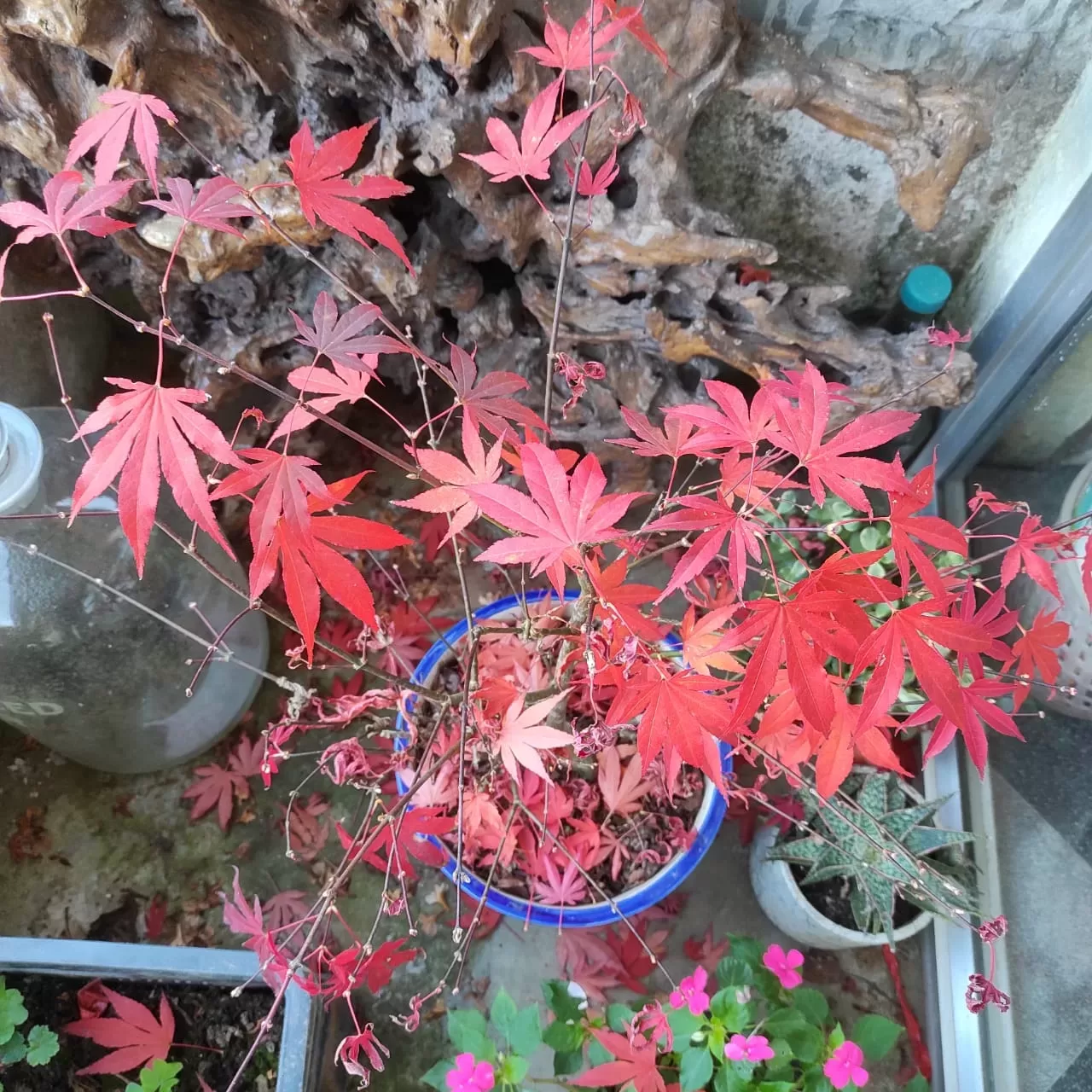

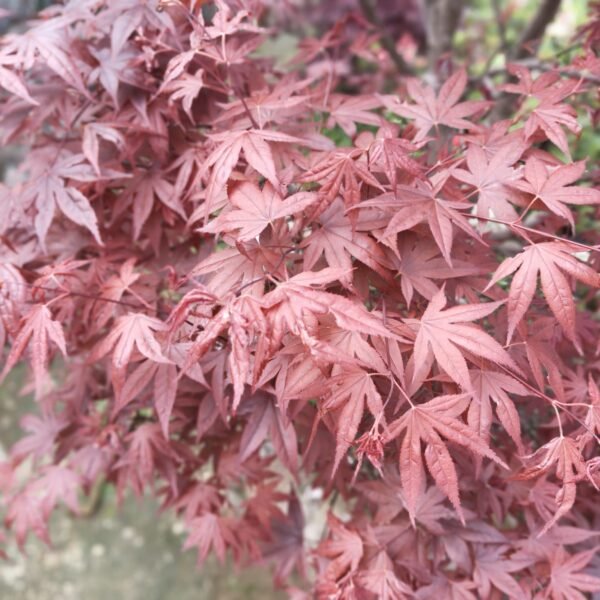
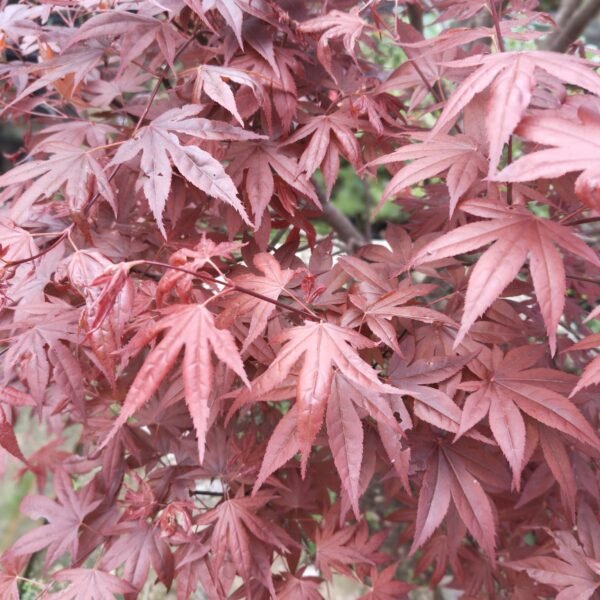
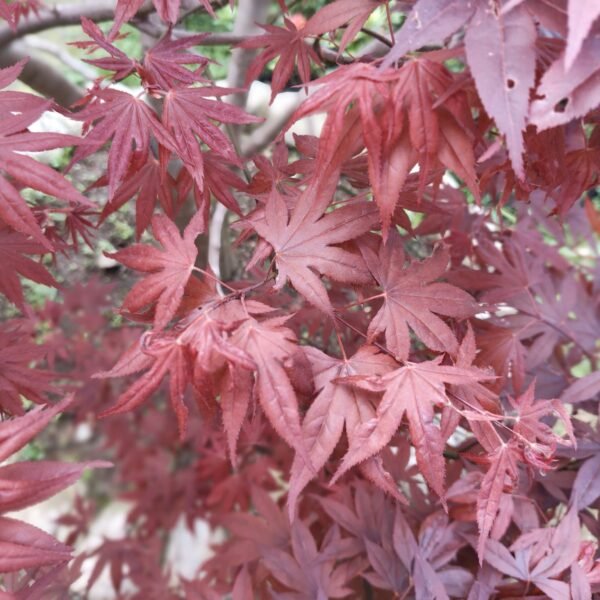









Healthy plant received
Packing was really good . Plan received in healthy condition
Excellent plant.I love the colour,size and spread of the plant sent.
Received it in very good condition. Will be eagerly waiting for next autumn.