


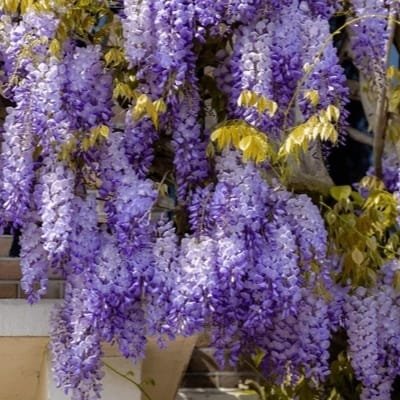
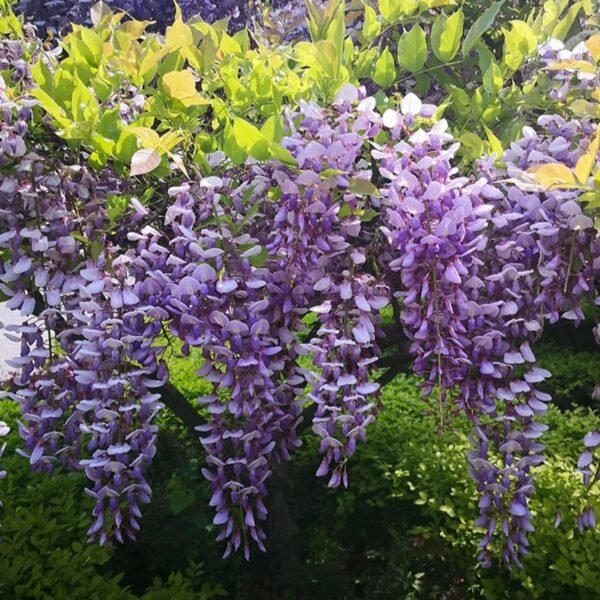

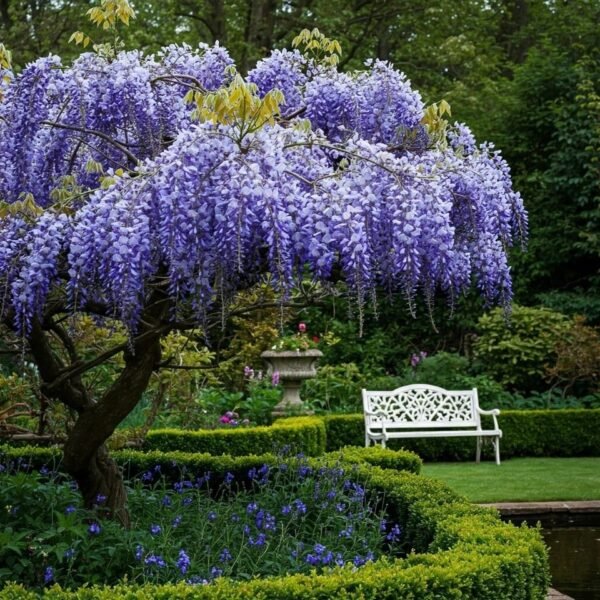
Wisteria Sinensis (Purple) – Fragrant Climbing Vine | Garden Decor
Price range: ₹499.00 through ₹3,499.00

30 Days Replacement & Refund Guarantee
🌱 Bought for the right climate zone? You're fully covered with our 30-day replacement & refund guarantee!
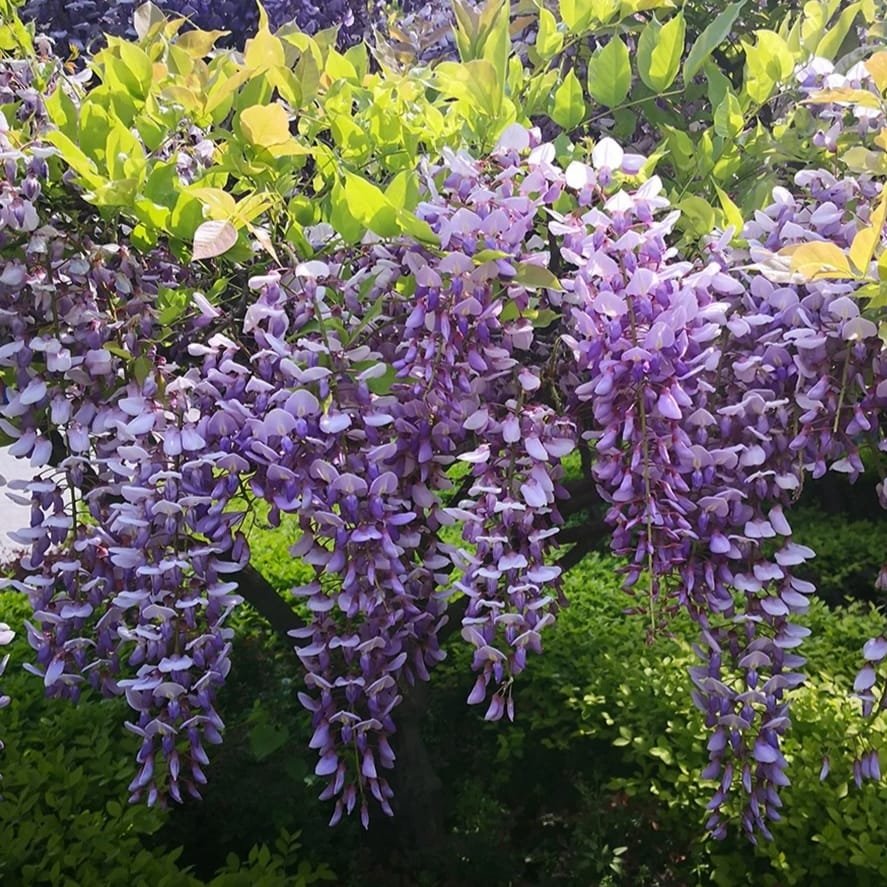
- 🌸 Fragrant cascading flower clusters 15–30 cm long — drooping blue-violet to lavender-purple blooms with a distinctive grape-like scent
- ☀️ Full sun required — at least 6 hours of direct sunlight daily; partial shade reduces or prevents flowering
- 💧 About 1 inch (~25 mm) of water per week — keep soil consistently moist but never waterlogged; well-drained soil essential
- 🌡️ Adaptable across cold to warm climates (−29°C to 43°C); needs a defined cold season to set flower buds reliably
- 📐 Vigorous woody climber — 6–10 m (20–30 ft) in cultivation, twining counterclockwise around any sturdy support
- 🏆 Long-lived perennial — can thrive for over a century with proper pruning, becoming more spectacular each year
Price range: ₹499.00 through ₹3,499.00
Description
━━━━━━━━━━━━━━━━━━━━━━━━━━━━━━━━━━━━━
🎁 GIFTING BADGE
━━━━━━━━━━━━━━━━━━━━━━━━━━━━━━━━━━━━━
🎁 Perfect Gift For:
✔ Housewarming ✔ Birthday
✔ Anniversary ✔ Garden Gift
✔ Wedding Gift ✔ Festival Gift
━━━━━━━━━━━━━━━━━━━━━━━━━━━━━━━━━━━━━
About This Plant
━━━━━━━━━━━━━━━━━━━━━━━━━━━━━━━━━━━━━
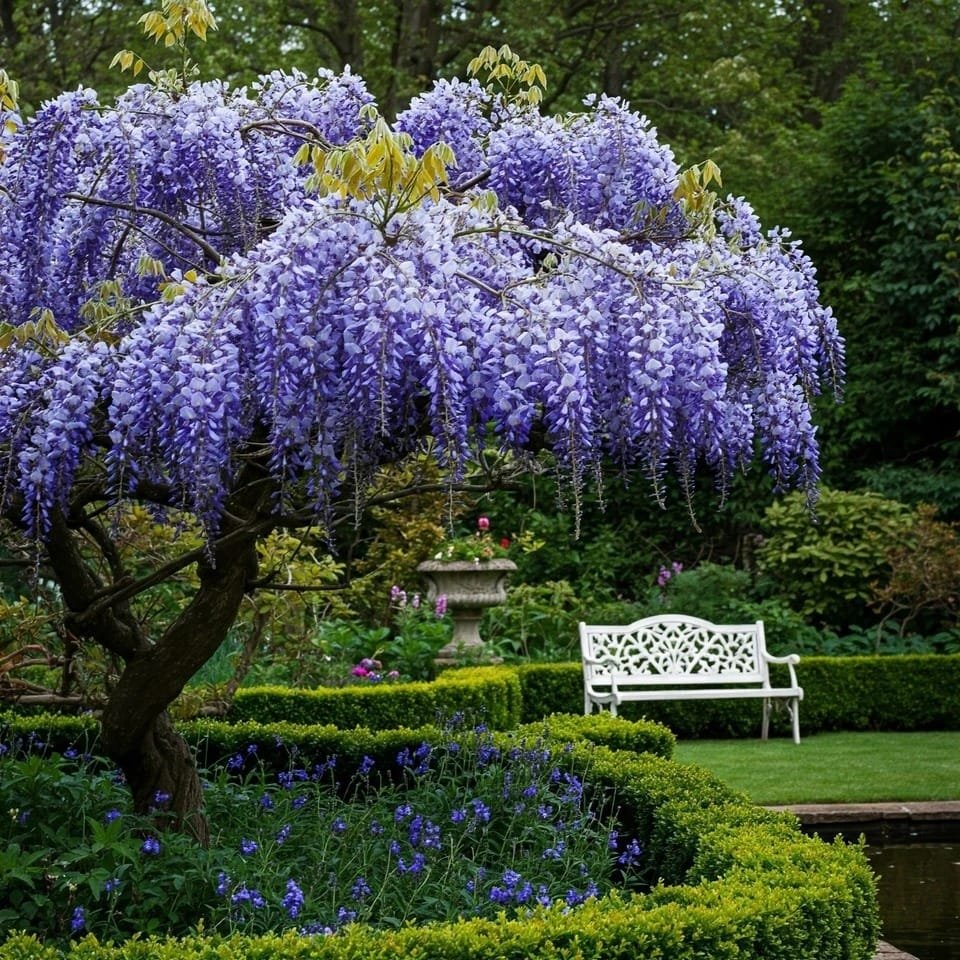
Wisteria Sinensis (Wisteria sinensis) — commonly known as Chinese Wisteria — is one of the most spectacular flowering climbers in the world. Native to seven provinces of central and southern China, this deciduous woody vine produces breathtaking 15–30 cm pendant racemes of fragrant blue-violet to lavender-purple flowers in spring, just as the foliage begins to unfurl. Each raceme opens almost simultaneously, draping pergolas, arches and walls in a cascading curtain of bloom with a distinctive grape-like fragrance.
Steeped in centuries of Asian symbolism, Chinese Wisteria represents love, longevity, immortality and good fortune — a celebrated motif in Chinese marriage art and Japanese Kabuki tradition. A vigorous counterclockwise-twining vine that can reach 20–30 metres in maturity, Wisteria Sinensis has been one of the quintessential ornamental vines of temperate gardens worldwide since the early 19th century. With proper pruning, a single plant can thrive and bloom for over a century, becoming a living heirloom in your garden.
━━━━━━━━━━━━━━━━━━━━━━━━━━━━━━━━━━━━━
✨ Key Benefits
━━━━━━━━━━━━━━━━━━━━━━━━━━━━━━━━━━━━━
🌸 Long drooping flower racemes (15–30 cm) with a sweet, grape-like fragrance
💜 Adds dramatic vertical colour to pergolas, arches, walls and large trellises
🍃 Dense pinnate foliage (9–13 leaflets per leaf) provides lush summer shade
🐝 Highly attractive to bees, butterflies and other pollinators
🏗️ Sculptural twisted woody trunk becomes a striking garden feature in winter
🎋 Auspicious symbol of love, longevity and good luck in Asian garden traditions
━━━━━━━━━━━━━━━━━━━━━━━━━━━━━━━━━━━━━
🌿 Care Instructions
━━━━━━━━━━━━━━━━━━━━━━━━━━━━━━━━━━━━━
☀️ Sunlight: Full sun — minimum 6 hours of direct sunlight daily for reliable flowering
💧 Watering: Roughly 1 inch (25 mm) of water per week; water young plants more often, mature plants only when top 1 cm of soil is dry
🪴 Soil: Moderately fertile, humus-rich, well-drained soil; slightly acidic to neutral pH (6.0–7.0) preferred
🌡️ Temperature: −29°C to 43°C tolerance; thrives at 15–27°C; needs a cold dormancy period to set buds
🧪 Fertilizer: Low-nitrogen, phosphorus-rich formula in spring (high nitrogen promotes leaves, not flowers)
✂️ Pruning: Prune twice yearly — once in late winter (cut side shoots back to 2–3 buds) and again in mid-summer (shorten long shoots to 6 leaves) to maximise flowering
🏗️ Support: Strong, permanent metal or hardwood pergola/trellis — mature vines can weigh several hundred kilograms
━━━━━━━━━━━━━━━━━━━━━━━━━━━━━━━━━━━━━
📏 Size Guide
━━━━━━━━━━━━━━━━━━━━━━━━━━━━━━━━━━━━━
🌱 At Delivery:
Height: 30–60 cm
Pot Size: 5–6 inch nursery pot
Stage: Young, established climber
🌿 After 1 Year:
Height: 1.5–3 m
Spread: 1–2 m
Growth Rate: Fast
🌳 Fully Grown:
Height: 6–10 m (up to 20–30 m on tall structures)
Spread: 3–8 m wide
Time to Mature Flowering: 2–4 years (longer if grown from seed)
📌 Space Needed:
Minimum Pot Size: 18–24 inch (ground planting strongly preferred)
Floor Space: 4–6 sq ft at base, plus overhead structure to climb
━━━━━━━━━━━━━━━━━━━━━━━━━━━━━━━━━━━━━
📅 Seasonal Availability & Behaviour
━━━━━━━━━━━━━━━━━━━━━━━━━━━━━━━━━━━━━
🌸 Spring (Feb – Apr):
Flower buds swell on last year’s wood and open into long pendant racemes before the leaves fully expand. This is peak display season — feed lightly with low-nitrogen fertilizer.
☀️ Summer (May – Jun):
Rapid vegetative growth. Mid-summer pruning of new long shoots back to 6 leaves channels energy into flower bud formation for next spring. Water deeply during dry spells.
🌧️ Monsoon (Jul – Sep):
Foliage is at peak density. Ensure soil drainage is sharp — wisteria roots dislike waterlogging. Check support structures for stress from heavy wet foliage.
🍂 Autumn (Oct – Nov):
Leaves turn golden-yellow and drop. Brown velvety seed pods (10–15 cm) ripen and persist on the vine.
❄️ Winter (Dec – Jan):
Plant is fully dormant and leafless. This is the time for hard structural pruning — cut side shoots back to 2–3 buds. Cold winter exposure is essential for flowering.
🛒 Best Time to Buy & Plant: October to February. Autumn or early winter planting allows roots to establish before the spring flowering and growth surge.
━━━━━━━━━━━━━━━━━━━━━━━━━━━━━━━━━━━━━
🌍 Climate Zone Compatibility
━━━━━━━━━━━━━━━━━━━━━━━━━━━━━━━━━━━
|
Cold hardiness
Down to −29°C
|
Optimal growth temp
Winter −5°C to Summer 32°C
|
Chilling required
Below 7°C in winter
|
|
Temperature range
Winter −29°C to Summer 43°C
|
Heat stress above
Summer 43°C (110°F)
|
Ideal Indian zones
Z2 · Z3 · Z4 · Z6 · Z9
|
━━━━━━━━━━━━━━━━━━━━━━━━━━━━━━━━━━━━━
🏠 Perfect For
━━━━━━━━━━━━━━━━━━━━━━━━━━━━━━━━━━━━━
👤 Who: Hill-station gardeners, heritage garden enthusiasts, pergola owners, climber-vine collectors
📍 Where: Pergolas, arches, garden walls, large trellises, boundary fences, gazebos
🎯 Why: Spectacular cascading fragrant blooms, dramatic vertical garden statement, decades-long lifespan, sculptural winter trunk
━━━━━━━━━━━━━━━━━━━━━━━━━━━━━━━━━━━━━
📦 What You Get
━━━━━━━━━━━━━━━━━━━━━━━━━━━━━━━━━━━━━
1 healthy Wisteria Sinensis (Purple) plant
Carefully packed for safe pan-India delivery
Nursery grown for hardy establishment
Free plant care guide
100% healthy plant guarantee
━━━━━━━━━━━━━━━━━━━━━━━━━━━━━━━━━━━━━
❓ Frequently Asked Questions
━━━━━━━━━━━━━━━━━━━━━━━━━━━━━━━━━━━━━
Q: Will the plant survive shipping?
A: Yes! We use special packaging designed for live plants. Dormant or semi-dormant wisteria vines travel very well — bare stems and minimal leaves in cooler months are completely normal.
Q: Is this plant safe for pets and children?
A: No. All parts of Wisteria sinensis — leaves, stems, flowers, and especially the seeds and pods — contain toxic compounds (lectin and wisterin). Keep out of reach of pets, livestock and small children. Ingestion can cause vomiting, diarrhoea and dehydration.
Q: What colour will I get?
A: This is the Purple variety — blue-violet to lavender-purple cascading flower racemes. Exact shade may vary slightly with soil pH and seasonal light intensity.
Q: Can I grow this in hot Indian cities?
A: Hot plains zones (Z13, Z15, Z16, Z17, Z18) with peak summers of 46–50°C are not recommended — extreme summer heat kills emerging foliage. Tropical and coastal zones (Z11, Z12, Z14) lack the 400-hour chilling period wisteria needs to flower. Wisteria thrives in cold and subtropical hill/highland zones (Z2, Z3, Z4, Z6, Z9). Check the Climate Zone Compatibility table above for your specific zone.
Q: When will it flower for the first time?
A: Usually 2–4 years after planting from a young nursery plant. The first year focuses on root and woody-stem establishment. Plants grown from seed can take 7+ years to flower, which is why we ship vegetatively propagated stock.
Q: Do you provide a care guide?
A: Yes! Every order comes with a free, detailed care guide written specifically for this plant including pruning schedule, fertilizer routine, and training tips.
Q: Is this good for beginners?
A: Yes, in the right climate zone (Z2–Z4, Z6, Z9). The plant is essentially self-sufficient once established — the main “skill” required is the twice-yearly pruning routine, which the care guide walks you through step by step.
Q: Can I keep this indoors?
A: No. Wisteria is an outdoor woody climber that needs full sun, cold winter dormancy, and a strong overhead support to grow on. Indoor cultivation is not viable.
Q: When is the best time to plant this?
A: October to February. Autumn or early winter planting gives the roots time to establish before the spring growth and flowering surge.
Q: How fast does this plant grow?
A: Very fast — once established, vines can put on 2–3 metres of new growth per year. Without regular pruning the plant can quickly overwhelm a small structure, so a strong permanent support and a twice-yearly pruning routine are essential.
Q: What size support structure do I need?
A: A strong, permanent metal or hardwood pergola, arch, or heavy trellis at least 2.5 m tall and rated for at least 100 kg of plant weight at maturity. Do NOT train wisteria onto house gutters, drainpipes, or lightweight wooden fences — mature vines can damage them. Keep the vine at least 1 m away from house walls.
Q: What does Wisteria Sinensis symbolise?
A: In Chinese culture, Wisteria symbolises love, longevity, immortality and good fortune — its long-lived nature and cascading blooms make it a popular gift for weddings and anniversaries. In Japanese tradition, it represents grace, tenderness, and enduring love. A celebrated motif in Asian art for centuries.
Care & Guide
 Height

| HeightPlants height without pot height | 10-12 Inches, 14-16 Inches, 18-20 Inches, 22-24 Inches, 26-28 Inches, 30-32 Inches, 34-36 Inches, 6-8 Inches |
|---|
Placement

| Climate Zone | Cold Alpine (Min -20°C to Max 20°C), Cold Hills (Min 1°C to Max 25°C), Cool Tropical Highland (Min 0°C to Max 25°C), Subtropical Highland (Min -5°C to Max 30°C), Subtropical Hills (Min 5°C to Max 28°C), Subtropical Hot Arid (Min 4°C to Max 50°C), Subtropical Hot Semi Arid Continental (Min 4°C to Max 48°C), Subtropical Humid (Min 8°C to Max 42°C), Subtropical Monsoon (Min 8°C to Max 38°C), Subtropical Monsoon Highland (Min 7°C to Max 30°C), Subtropical Semi-Arid (Min 5°C to Max 44°C), Tropical Hot Semi-Arid (Min 14°C to Max 47°C), Tropical Mid-Elevation Monsoon (Min 9°C to Max 38°C), Tropical Monsoon Coastal (Min 14°C to Max 38°C), Tropical Wet-Dry ‘savanna’ (Min 11°C to Max 40°C), Tropical Wet-Dry ‘savanna’ Coastal (Min 17°C to Max 40°C), Tropical Wet-Dry Savanna Cool Plateau (Min 14°C to Max 36°C), Tropical Wet-Dry Savanna Hot Interior (Min 11°C to Max 48°C) |
|---|---|
| HeightPlants height without pot height | 10-12 Inches, 14-16 Inches, 18-20 Inches, 22-24 Inches, 26-28 Inches, 30-32 Inches, 34-36 Inches, 6-8 Inches |
Humidity

| Climate Zone | Cold Alpine (Min -20°C to Max 20°C), Cold Hills (Min 1°C to Max 25°C), Cool Tropical Highland (Min 0°C to Max 25°C), Subtropical Highland (Min -5°C to Max 30°C), Subtropical Hills (Min 5°C to Max 28°C), Subtropical Hot Arid (Min 4°C to Max 50°C), Subtropical Hot Semi Arid Continental (Min 4°C to Max 48°C), Subtropical Humid (Min 8°C to Max 42°C), Subtropical Monsoon (Min 8°C to Max 38°C), Subtropical Monsoon Highland (Min 7°C to Max 30°C), Subtropical Semi-Arid (Min 5°C to Max 44°C), Tropical Hot Semi-Arid (Min 14°C to Max 47°C), Tropical Mid-Elevation Monsoon (Min 9°C to Max 38°C), Tropical Monsoon Coastal (Min 14°C to Max 38°C), Tropical Wet-Dry ‘savanna’ (Min 11°C to Max 40°C), Tropical Wet-Dry ‘savanna’ Coastal (Min 17°C to Max 40°C), Tropical Wet-Dry Savanna Cool Plateau (Min 14°C to Max 36°C), Tropical Wet-Dry Savanna Hot Interior (Min 11°C to Max 48°C) |
|---|---|
| HeightPlants height without pot height | 10-12 Inches, 14-16 Inches, 18-20 Inches, 22-24 Inches, 26-28 Inches, 30-32 Inches, 34-36 Inches, 6-8 Inches |
Soil pH

| Climate Zone | Cold Alpine (Min -20°C to Max 20°C), Cold Hills (Min 1°C to Max 25°C), Cool Tropical Highland (Min 0°C to Max 25°C), Subtropical Highland (Min -5°C to Max 30°C), Subtropical Hills (Min 5°C to Max 28°C), Subtropical Hot Arid (Min 4°C to Max 50°C), Subtropical Hot Semi Arid Continental (Min 4°C to Max 48°C), Subtropical Humid (Min 8°C to Max 42°C), Subtropical Monsoon (Min 8°C to Max 38°C), Subtropical Monsoon Highland (Min 7°C to Max 30°C), Subtropical Semi-Arid (Min 5°C to Max 44°C), Tropical Hot Semi-Arid (Min 14°C to Max 47°C), Tropical Mid-Elevation Monsoon (Min 9°C to Max 38°C), Tropical Monsoon Coastal (Min 14°C to Max 38°C), Tropical Wet-Dry ‘savanna’ (Min 11°C to Max 40°C), Tropical Wet-Dry ‘savanna’ Coastal (Min 17°C to Max 40°C), Tropical Wet-Dry Savanna Cool Plateau (Min 14°C to Max 36°C), Tropical Wet-Dry Savanna Hot Interior (Min 11°C to Max 48°C) |
|---|---|
| HeightPlants height without pot height | 10-12 Inches, 14-16 Inches, 18-20 Inches, 22-24 Inches, 26-28 Inches, 30-32 Inches, 34-36 Inches, 6-8 Inches |
Fertilizer
| Weight | N/A |
|---|---|
| Climate Zone | Cold Alpine (Min -20°C to Max 20°C), Cold Hills (Min 1°C to Max 25°C), Cool Tropical Highland (Min 0°C to Max 25°C), Subtropical Highland (Min -5°C to Max 30°C), Subtropical Hills (Min 5°C to Max 28°C), Subtropical Hot Arid (Min 4°C to Max 50°C), Subtropical Hot Semi Arid Continental (Min 4°C to Max 48°C), Subtropical Humid (Min 8°C to Max 42°C), Subtropical Monsoon (Min 8°C to Max 38°C), Subtropical Monsoon Highland (Min 7°C to Max 30°C), Subtropical Semi-Arid (Min 5°C to Max 44°C), Tropical Hot Semi-Arid (Min 14°C to Max 47°C), Tropical Mid-Elevation Monsoon (Min 9°C to Max 38°C), Tropical Monsoon Coastal (Min 14°C to Max 38°C), Tropical Wet-Dry ‘savanna’ (Min 11°C to Max 40°C), Tropical Wet-Dry ‘savanna’ Coastal (Min 17°C to Max 40°C), Tropical Wet-Dry Savanna Cool Plateau (Min 14°C to Max 36°C), Tropical Wet-Dry Savanna Hot Interior (Min 11°C to Max 48°C) |
| HeightPlants height without pot height | 10-12 Inches, 14-16 Inches, 18-20 Inches, 22-24 Inches, 26-28 Inches, 30-32 Inches, 34-36 Inches, 6-8 Inches |
Toxicity

| Climate Zone | Cold Alpine (Min -20°C to Max 20°C), Cold Hills (Min 1°C to Max 25°C), Cool Tropical Highland (Min 0°C to Max 25°C), Subtropical Highland (Min -5°C to Max 30°C), Subtropical Hills (Min 5°C to Max 28°C), Subtropical Hot Arid (Min 4°C to Max 50°C), Subtropical Hot Semi Arid Continental (Min 4°C to Max 48°C), Subtropical Humid (Min 8°C to Max 42°C), Subtropical Monsoon (Min 8°C to Max 38°C), Subtropical Monsoon Highland (Min 7°C to Max 30°C), Subtropical Semi-Arid (Min 5°C to Max 44°C), Tropical Hot Semi-Arid (Min 14°C to Max 47°C), Tropical Mid-Elevation Monsoon (Min 9°C to Max 38°C), Tropical Monsoon Coastal (Min 14°C to Max 38°C), Tropical Wet-Dry ‘savanna’ (Min 11°C to Max 40°C), Tropical Wet-Dry ‘savanna’ Coastal (Min 17°C to Max 40°C), Tropical Wet-Dry Savanna Cool Plateau (Min 14°C to Max 36°C), Tropical Wet-Dry Savanna Hot Interior (Min 11°C to Max 48°C) |
|---|---|
| HeightPlants height without pot height | 10-12 Inches, 14-16 Inches, 18-20 Inches, 22-24 Inches, 26-28 Inches, 30-32 Inches, 34-36 Inches, 6-8 Inches |
Frequently Bought Together

Wisteria Sinensis (Purple) – Fragrant Climbing Vine | Garden Decor
- 🌸 Fragrant cascading flower clusters 15–30 cm long — drooping blue-violet to lavender-purple blooms with a distinctive grape-like scent
- ☀️ Full sun required — at least 6 hours of direct sunlight daily; partial shade reduces or prevents flowering
- 💧 About 1 inch (~25 mm) of water per week — keep soil consistently moist but never waterlogged; well-drained soil essential
- 🌡️ Adaptable across cold to warm climates (−29°C to 43°C); needs a defined cold season to set flower buds reliably
- 📐 Vigorous woody climber — 6–10 m (20–30 ft) in cultivation, twining counterclockwise around any sturdy support
- 🏆 Long-lived perennial — can thrive for over a century with proper pruning, becoming more spectacular each year


Reviews
15 reviews for Wisteria Sinensis (Purple) – Fragrant Climbing Vine | Garden Decor
Customer photos and videos
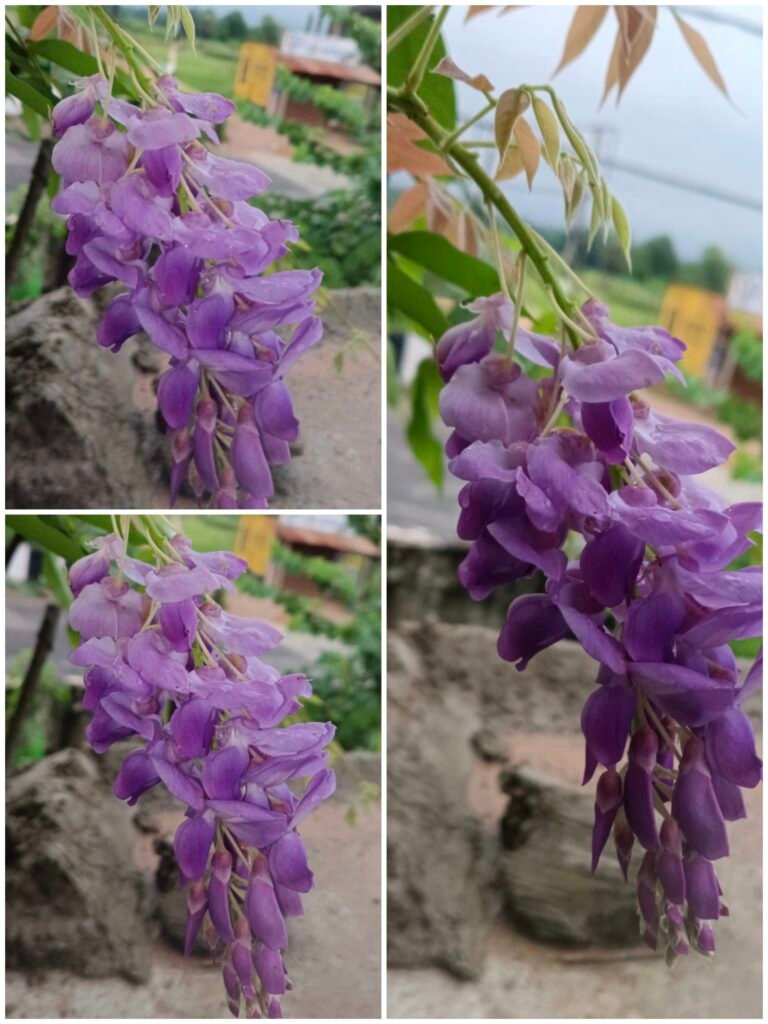


 Wisteria Sinensis (Purple) - Fragrant Climbing Vine | Garden Decor



 PEBBLES
 PLANTS GROWTH
 PLANTHING MATERIALS
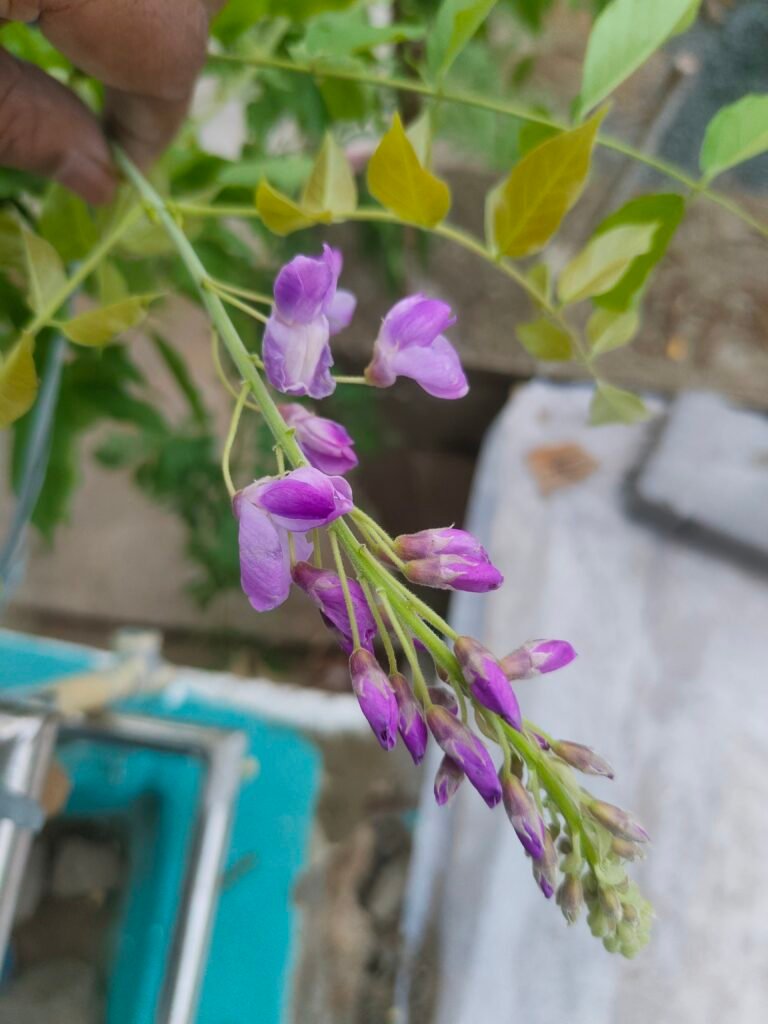
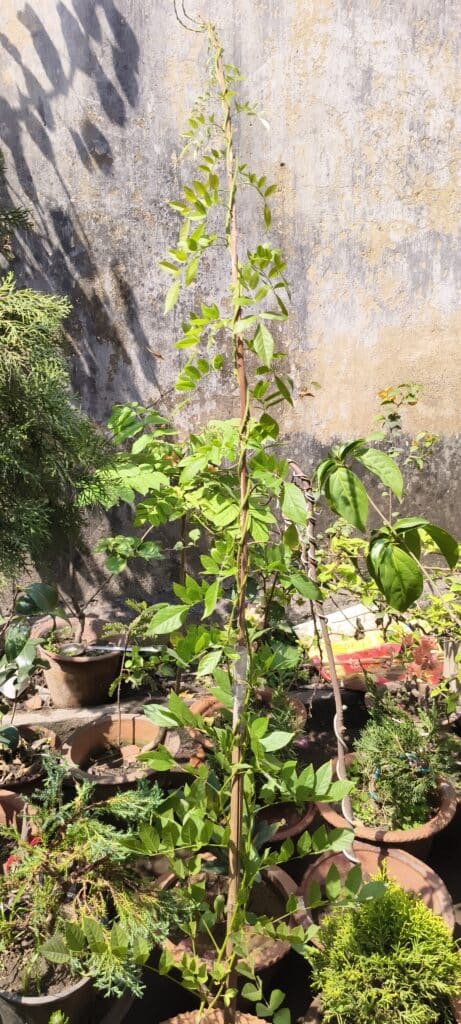
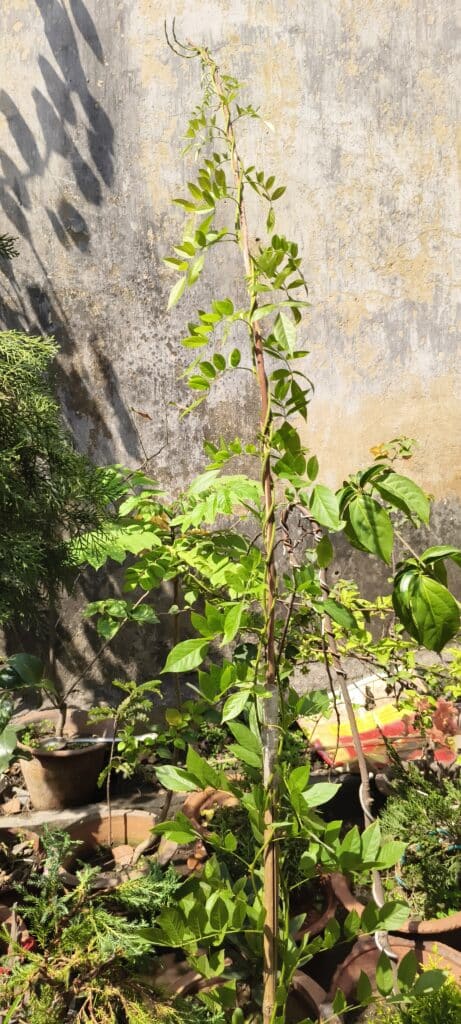
Ordered this plant last year and started blossoming.. beautiful color and growing very well. After 8 months ot started bloosoming .
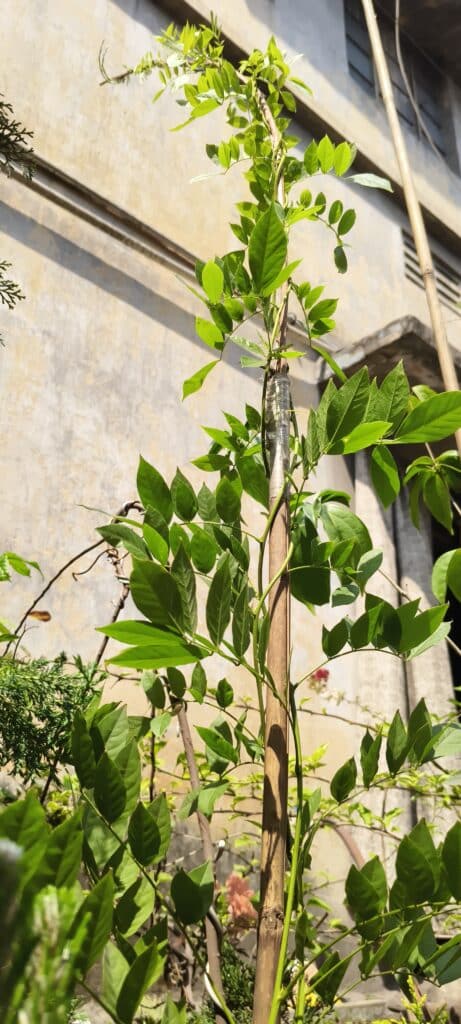
Very Fast growing plant 😊
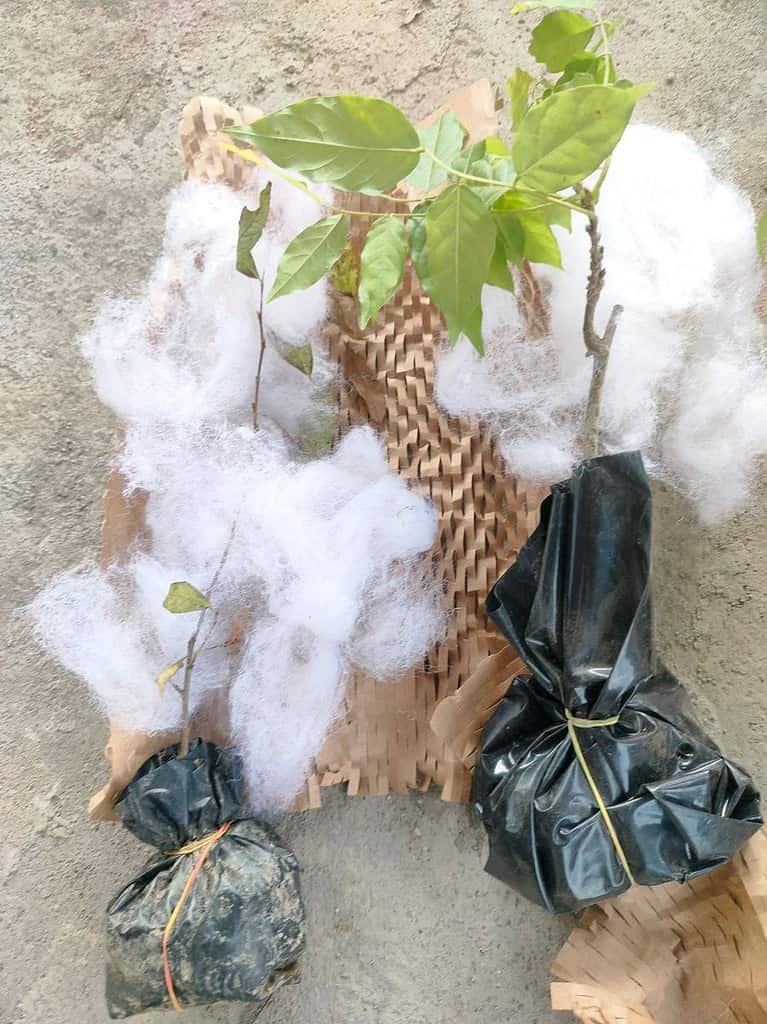
Well packaged.No leaves,completely bare.Plant with good root system.Whether will survive or not is to sent.Photos after potting.
Very well packaged.Plant without any leaves.Root well developed. Smaller in size not what shown in the pictures. Let’s see whether it survives or not.
Plant is healthy ,covered with adequate leaves
Good plant..waiting for new buds
Perfectly healthy plant
Small,but healthy one received
Got healthy plants with great packaging on time
Good healthy plant