

Bright Indirect Sun Light


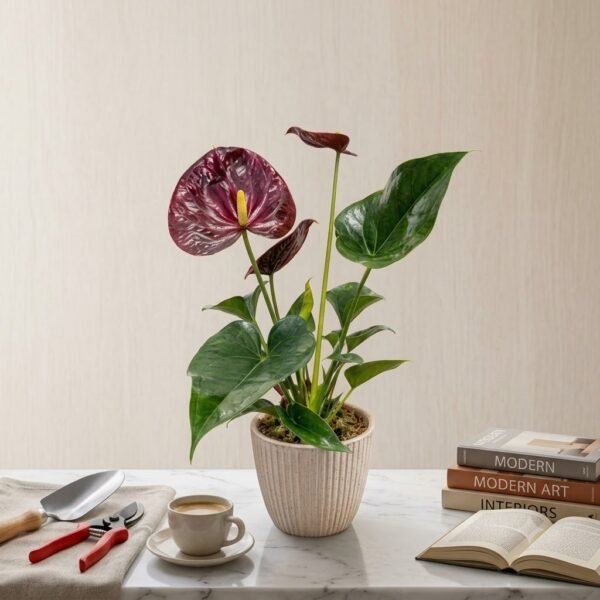
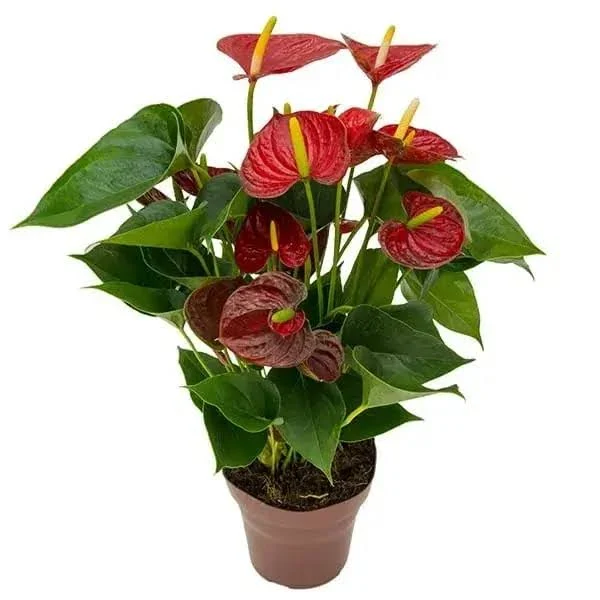

Anthurium Banderola Lava
🌿 Designer Anthurium with fiery lava-red & orange bicolour blooms
☀️ Bright, indirect light — no harsh direct sun
💧 Water when top 2 cm of soil feels dry (about every 4–6 days)
🏠 Statement indoor plant — perfect for living rooms, shelves & gifting
🌡️ Thrives in warm, humid Indian climate (18–30°C)
📏 Compact grower — 25–35 cm tall when fully mature
📦 1 healthy Anthurium Banderola Lava in a 4-inch nursery pot
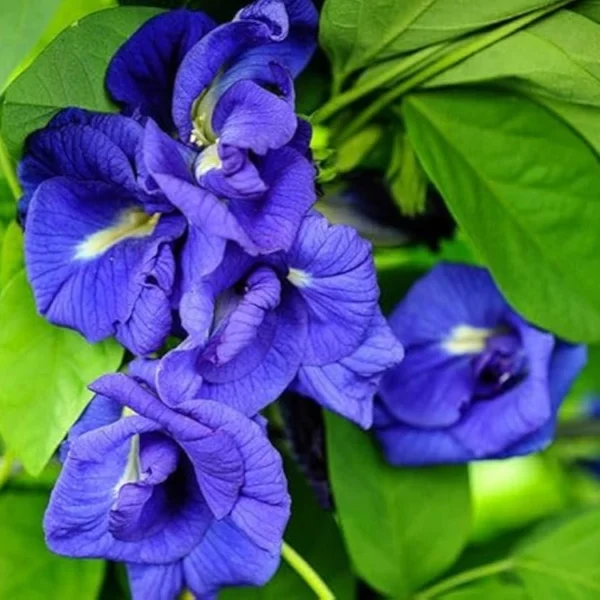
Aparajita Double Bloom Live Plant (Blue Color)
- 🦋 Deep blue double blooms 4–5 cm across, carried almost continuously through the warm months — the classic Aparajita used for blue tea
- ☀️ Full sun — at least 6 hours of direct sunlight daily for heavy flowering
- 💧 Water when the top 2–3 cm of soil dries; never waterlog — this legume hates soggy roots
- 🌡️ Temperature Tolerance: 16°C – 36°C (best growth 24–32°C; frost kills the top growth, but a woody plant regrows from the base)
- 📐 Fast-growing twining climber 2–3 m — ideal for fences, arches and balcony trellises
- 🏆 Nitrogen-fixing legume — it feeds the soil it grows in and needs very little fertilizer


Chamaedorea Elegans Palm – Indoor Decoration with Neanthe Bella Palm
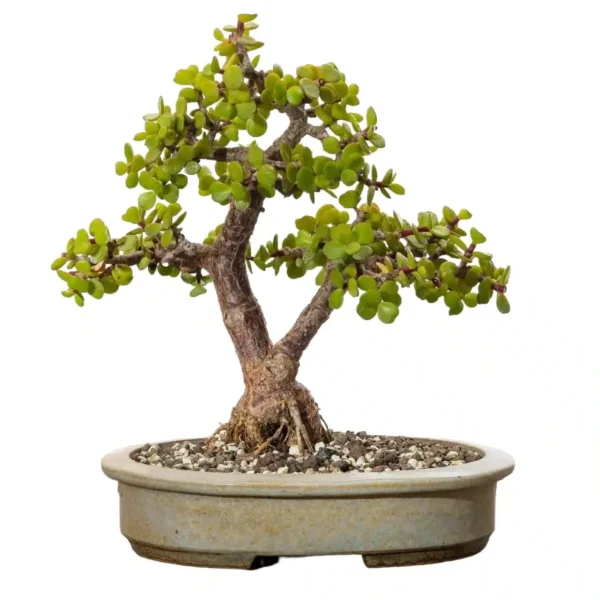
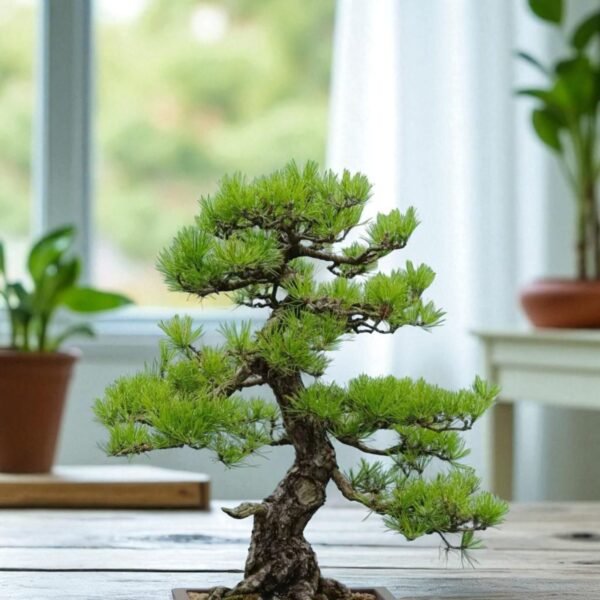
Japanese Black Pine (Pinus Thunbergii) – Resilient Evergreen Tree for Landscaping and Bonsai
| Placement | Outdoor |
| Sun Exposure | Full |
| Ideal Temperature | 15 to 35° Celsius |
| Min-Max Temperature | -5 to 41° Celsius |
| Soil Type | Well drain, moisture-retentive soil + garden compost or well-rotted manure. |
| Soil pH | neutral to slightly alkaline (between 6.5 and 7.5. ) |
First Image is for reference only. Actual images are shown in select height option.


Neon Pothos (Epipremnum Aureum Neon)
- 🌿 Dazzling electric lime-green leaves — Neon Pothos has an intense, glowing lime-green colour unlike any other common houseplant
- 💡 Low to medium indirect light — thrives anywhere indoors; more light = more vivid neon colour
- 💧 Moderate watering — water when top 3 cm dries; very tolerant of irregular watering
- 🌡️ Thrives in warm indoor conditions (15°C to 38°C); perfect across all of India
- 📐 Trailing or climbing vine — cascades beautifully from shelves and hanging baskets
- 🏆 The most vivid coloured Pothos variety — the electric lime-green makes any space feel alive

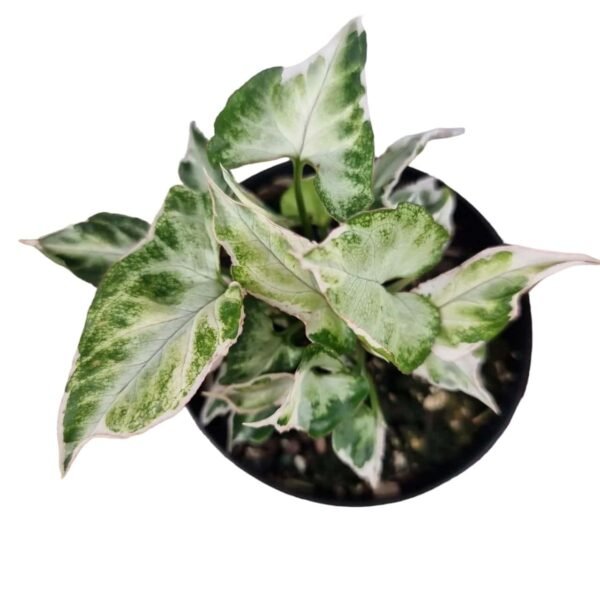


Many popular houseplants grow best in bright indirect light, which is bright light without direct sun hitting the leaves. Monstera, rubber plant, philodendron, peperomia, calathea and fiddle leaf fig are common choices. What is in stock changes, so the products above show what we have today.
Bright Indirect Light at a Glance
| Need | What to do |
|---|---|
| What it means | A bright room where the plant does not get direct sun for hours. A spot a metre or two from a window, or near a window with a curtain, is typical. |
| Too little light | Leggy, stretched growth, small leaves and faded colour. |
| Too much light | Pale, scorched or crispy patches on the leaves, especially in afternoon sun. |
| Windows | East windows usually give gentle morning sun. West and south windows are stronger, so use a curtain or move the plant back. |
| Water | Plants in brighter light use more water. Check the soil and water when the top few centimetres are dry. |
Bright Indirect Light FAQs
What is bright indirect light?
Bright light without direct sun on the leaves. You can read easily in the room, and the plant does not cast a sharp shadow.
Which plants need bright indirect light?
Monstera, rubber plant, philodendron, peperomia, calathea and fiddle leaf fig.
Is an east window bright indirect light?
Often, yes. East windows give gentle morning sun that most houseplants like.
How can I soften a strong window?
Use a sheer curtain or move the plant a little back from the glass.
How do I tell if my plant has too much light?
Look for scorched, pale or crispy patches. Move the plant back or add a curtain.
See also: indoor plants and low light plants.
 PEBBLES
 PLANTS GROWTH
 Planting Materials