

Bonsai Plants in India: Care Guide for Beginners

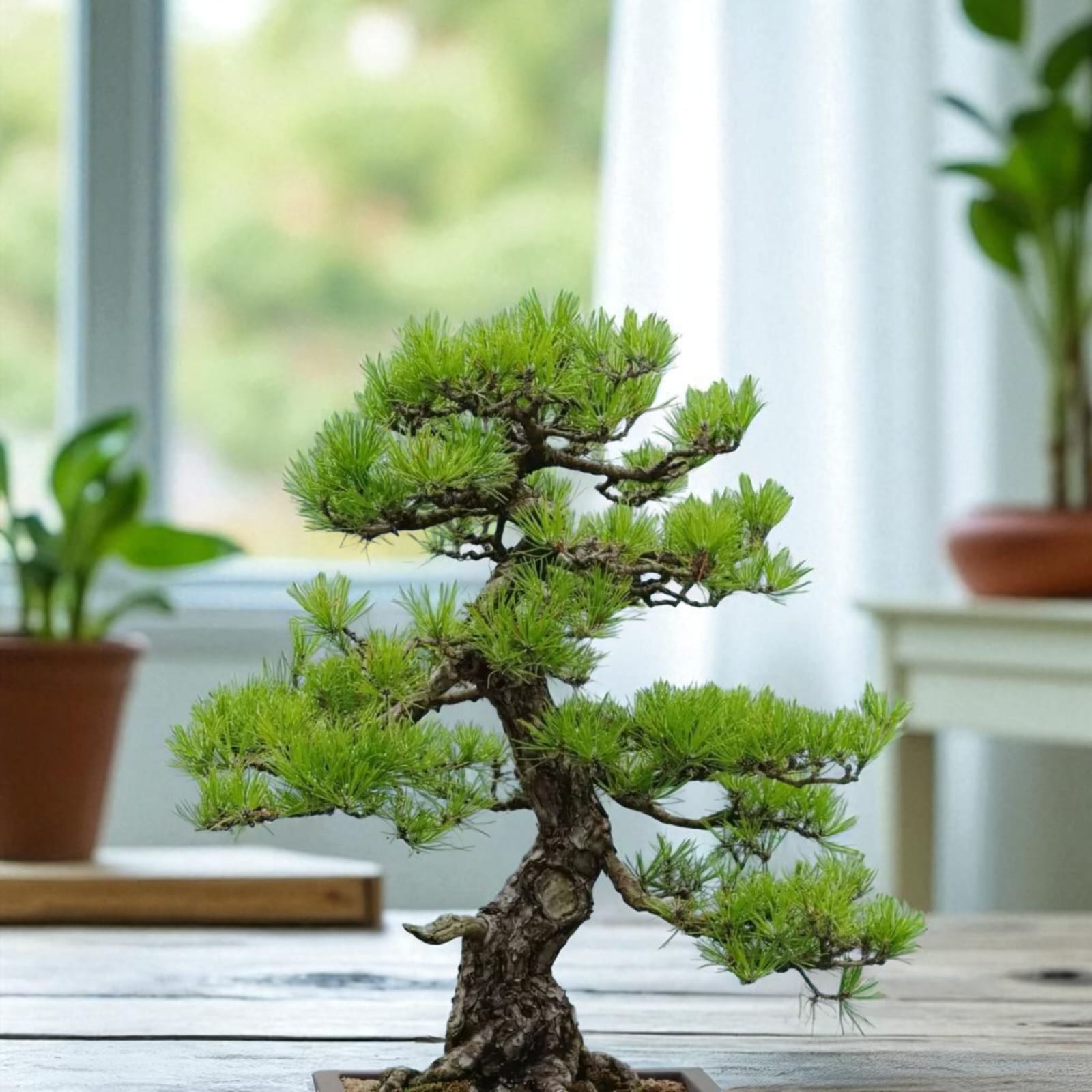
A bonsai is a normal tree or shrub grown in a small pot and kept small by pruning and root trimming. It is not a special dwarf species. In India, bonsai is a popular hobby because many suitable plants grow well in our climate. This guide explains which bonsai trees are easiest to start with and how to keep them healthy.
Indoor and Outdoor Bonsai: Know the Difference
The most common mistake is keeping an outdoor bonsai inside. Pines and junipers need outdoor sun and a cool winter rest, and they decline quickly in a room. Tropical trees such as ficus, jade plant and Chinese elm can live in a bright indoor spot near a window. Buy a bonsai that suits the place you can give it.
Best Bonsai Plants for Beginners
- Ficus (banyan, peepal, ficus microcarpa): tolerant, grows fast and recovers well from pruning.
- Jade plant (Crassula): a succulent bonsai that stores water and forgives missed waterings.
- Chinese elm: fine leaves and a natural tree shape, works indoors in bright light.
- Bougainvillea: flowers in full sun and suits a sunny balcony.
- Japanese black pine and juniper: classic outdoor bonsai that need patience and full sun.
You can browse our current range in bonsai plants.
Bonsai Care at a Glance
| Need | What to do |
|---|---|
| Light | Outdoor bonsai need full sun for most of the day. Indoor bonsai need the brightest window you have, ideally with a few hours of direct light. |
| Water | Water when the top of the soil starts to dry, then water until it drains from the holes. Bonsai pots are shallow and dry fast, so check daily in summer. |
| Soil | Use a well-draining bonsai mix. Normal garden soil holds too much water and rots the roots. |
| Pruning | Trim new shoots back to two or three leaves to keep the shape. Remove dead and crossing branches at any time. |
| Repotting | Repot young trees every year or two, and older trees every few years, in spring. Trim about a third of the roots and replace the soil. |
| Feeding | Feed lightly every few weeks in the growing season. Do not feed a stressed or newly repotted tree. |
Common Bonsai Problems
Yellow leaves usually mean overwatering or poor drainage. Leaf drop after you buy it is often the tree adjusting to new light, so keep conditions steady and do not repot straight away. Dry, crispy leaves mean the pot dried out too far, so water more often. White cottony spots are mealybugs; wipe them off or use a mild soap spray.
A Simple Routine
Check the soil every day, water when needed, turn the pot a little every week so all sides get light, and trim new growth every few weeks. Bonsai rewards regular small attention, not big changes now and then.
Frequently Asked Questions
Which bonsai is best for beginners in India?
Ficus and jade plant are the easiest. They tolerate mistakes and can live indoors in bright light.
Can I keep a bonsai indoors?
Some can. Ficus, jade plant and Chinese elm do well indoors in bright light. Pine and juniper must stay outdoors.
How often should I water a bonsai?
When the top of the soil begins to dry, not on a fixed schedule. In summer that can be every day.
How long does a bonsai live?
With good care a bonsai can live for decades, and some are passed down for generations.
Is bonsai a different kind of plant?
No. It is an ordinary tree or shrub kept small by pruning, root trimming and a shallow pot.
Also see: indoor plants and Japanese maple.
 PEBBLES
 PLANTS GROWTH
 Planting Materials