

Cactus Care Guide for India: Light, Water, Soil & Common Problems

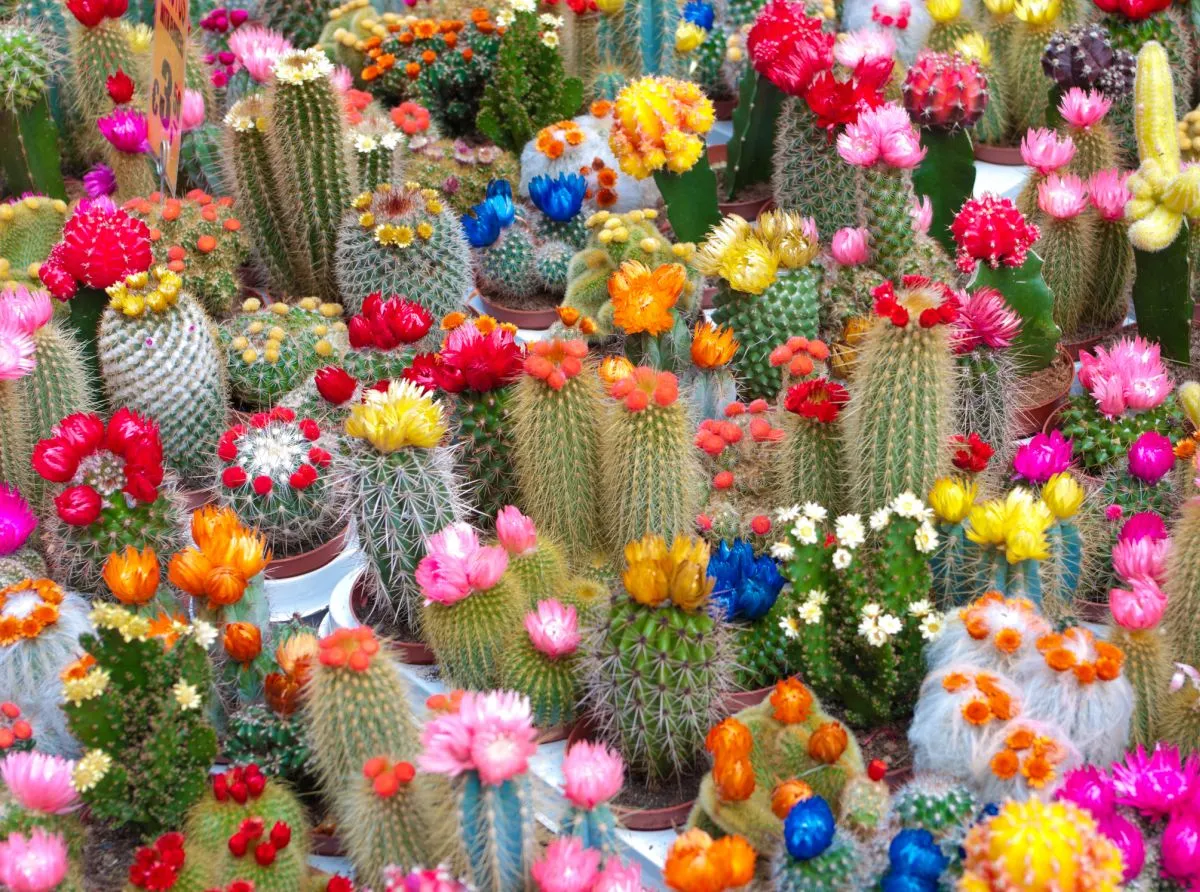
Cacti are among the easiest plants to keep alive, and the easiest to kill with kindness. Almost every cactus that dies in a home dies from too much water or too little light, not from neglect. This guide covers sun, watering through the Indian seasons, soil, repotting, propagation and the problems to watch for.
Cactus Care at a Glance
| Need | What most cacti want |
|---|---|
| Light | Several hours of bright light, and direct sun for most desert types. A cactus that stretches or leans needs more light. |
| Water | Only when the soil has dried out completely. Water much less in the monsoon and in winter. |
| Soil | A gritty, fast-draining cactus mix. Regular potting soil blended with plenty of sand, perlite or pumice also works. |
| Pot | Must have a drainage hole. A clay pot dries out faster and is forgiving. |
| Feeding | A diluted cactus fertilizer about once a month in spring and summer. |
| Repotting | Every 2 to 3 years, or when roots fill the pot. |
| Handling | Use thick gloves or folded paper to hold a spiny cactus. |
How Much Sun Does a Cactus Need?
Most cacti come from open, sunny places and need as much bright light as you can give them, including some direct sun. Indoors, the brightest window (usually south or west facing) is best. A cactus that grows tall and thin, pale or leaning toward the window is not getting enough light.
Sudden changes in light cause sunburn, which shows as pale or brown patches. If your cactus has been indoors or in a shaded nursery, move it to stronger sun gradually over a week or two. In the hottest weeks of summer in the plains, a little shade in the afternoon helps some species.
How Often to Water a Cactus in India
Use the soak-and-dry method. Water thoroughly until water runs from the drainage hole, then wait until the soil is completely dry before watering again. In hot, dry weather that may be every week or two. In the monsoon the air is humid and the soil stays wet, so water far less and protect the plant from heavy rain. In winter many cacti need very little water, especially in cooler regions.
If you are unsure, wait. A thirsty cactus gets wrinkled but usually recovers. A cactus with rotten roots often does not.
Best Soil and Pot for a Cactus
Cacti need soil that drains quickly. Use a ready-made cactus mix, or blend regular potting soil with sand, perlite or pumice so that most of the mix is gritty. Always use a pot with a drainage hole, and never leave the pot standing in a saucer of water.
Feeding and Repotting
Cacti do not need much food. A diluted cactus fertilizer about once a month in spring and summer is enough. Repot every 2 to 3 years, or when roots fill the pot, ideally at the start of the growing season. After repotting, wait about a week before watering so any damaged roots can heal. Hold spiny plants with folded newspaper or thick gloves.
How to Propagate a Cactus
- Offsets (pups): many clumping cacti produce small plants at the base. Separate one with a clean knife, let the cut end dry for a few days, then plant it in dry cactus mix.
- Stem or pad cuttings: columnar cacti and prickly pear (Opuntia) can be grown from a cutting. Let the cut end form a dry callus, which takes one to two weeks, then plant it in dry mix and water only lightly once roots start to grow.
Forest Cacti: Zygo Cactus Is Different
Zygo cactus (Christmas cactus or Schlumbergera) is a forest cactus, not a desert one. It grows on trees in the wild, so it wants bright but filtered light, rich well-draining soil, and slightly more regular watering than a desert cactus. See our guide to growing and caring for zygo cactus for details.
Common Cactus Problems
| Symptom | Likely cause | What to do |
|---|---|---|
| Yellow, soft or mushy stem | Overwatering and rot | Stop watering. If the base is mushy, cut away the rotten part, let it dry, and repot into dry gritty mix. |
| Tall, thin, pale or leaning growth | Too little light | Move to a brighter spot gradually. |
| Pale or brown patches | Sunburn | Move to partial shade and re-introduce sun gradually. The scar stays but the plant recovers. |
| Brown, corky base | Natural ageing | Normal on older plants. Check the base is firm, not mushy. |
| Shrivelled or wrinkled body | Underwatering or root problems | Water thoroughly. If it does not plump up, check the roots. |
| White cottony spots | Mealybugs | Dab with a cotton swab dipped in rubbing alcohol and repeat until gone. |
| No flowers | Not enough light, or no cool dry winter rest | Give bright light and water very little in winter. |
Are Cacti Safe for Pets and Children?
Most true cacti are not poisonous, but the spines can hurt, so keep them out of reach of pets and small children. Some plants sold as cacti are actually look-alike succulents such as Euphorbia, which have an irritating milky sap, so wash your hands after handling and keep those away from pets as well.
Cactus FAQs
How often should I water a cactus in India?
Check the soil, not the calendar. Water only when it is completely dry. In hot, dry weather that may be every week or two, and in the monsoon and winter it is much less often.
Can a cactus live indoors?
Yes, if it gets a very bright spot, such as a sunny south or west window. If it grows thin and pale, it needs more light.
Why is my cactus turning yellow or soft?
Usually overwatering. Stop watering, check that the pot drains, and if the base is mushy, cut away the rotten part and repot into dry gritty soil.
What is the best soil for a cactus?
A ready-made cactus mix, or regular potting soil blended with plenty of sand, perlite or pumice.
Does a cactus need direct sunlight?
Most desert cacti do well with several hours of direct sun. Move them to stronger light gradually so they do not burn.
Why is my cactus not flowering?
The usual reasons are too little light, a young plant, or no cool, dry winter rest. Give it bright light and water very little in winter.
Buy Cactus Plants Online
Browse our full cactus collection, including Cleistocactus and zygo cactus, or start a collection with the cactus combo of 12 varieties. Availability changes, so check the product page. Read our tips on choosing healthy cactus plants online and our guide to growing and caring for succulents.
 PEBBLES
 PLANTS GROWTH
 PLANTHING MATERIALS