

Money Plant Care Guide for India: Light, Water, Problems & FAQs


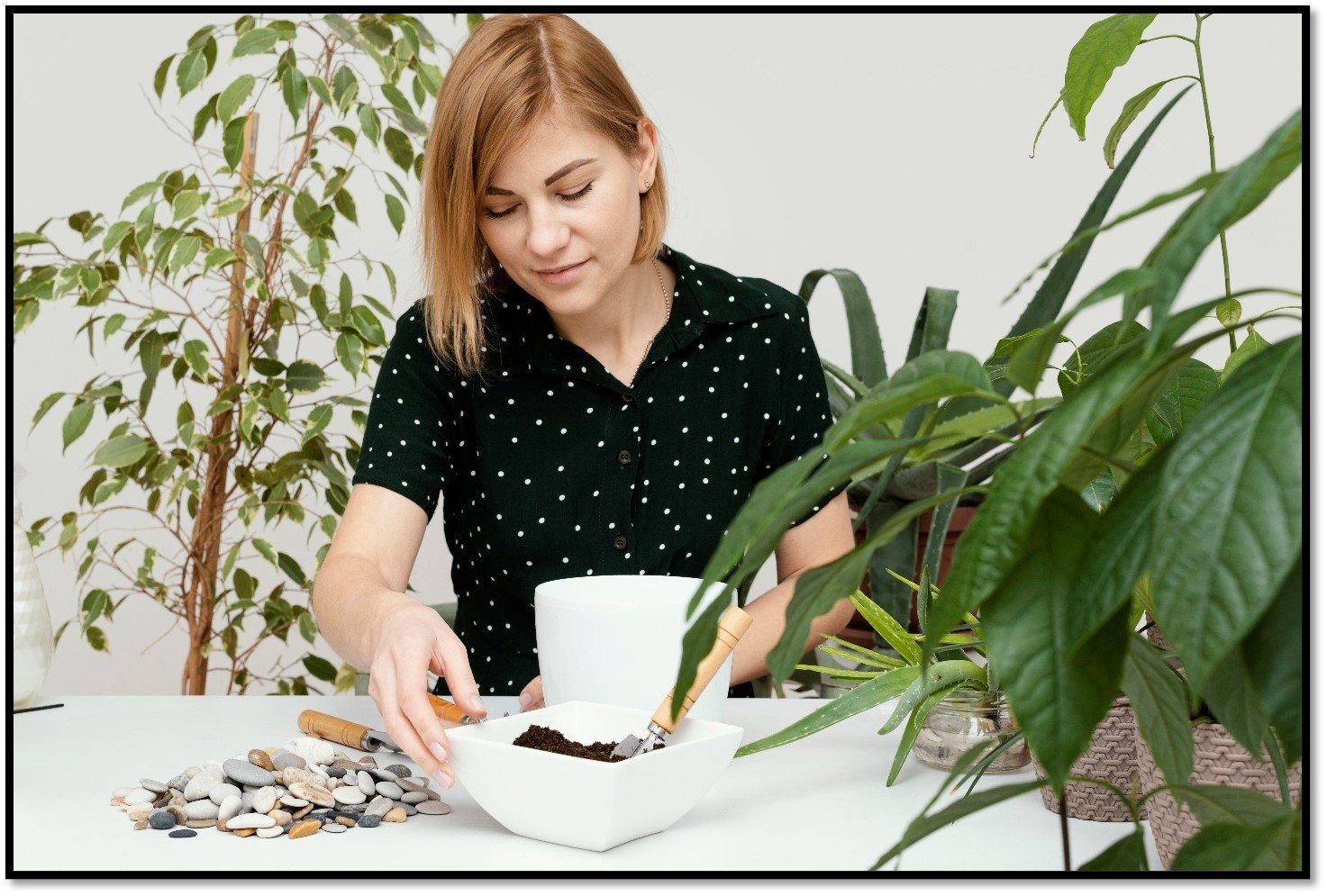
The plant most Indian homes call a money plant is usually golden pothos (Epipremnum aureum). It is one of the easiest houseplants to keep alive, yet yellow leaves, brown tips and droopy vines are still very common. Almost every problem comes down to three things: light, water and drainage.
Money Plant Care at a Glance
| Need | What your money plant wants |
|---|---|
| Light | Bright, indirect light. Grows slower in low light; hot direct sun scorches the leaves. |
| Water | When the top 1–2 inches of soil are dry. In a jar, change the water every 7–10 days. |
| Temperature | 18–30°C. Keep away from cold AC drafts and open windows in winter. |
| Pot and soil | Any pot with a drainage hole and a light, well-draining potting mix. |
| Fertilizer | Balanced liquid fertilizer every 3–4 weeks, spring to early autumn. |
| Pets | Toxic to cats and dogs if chewed. Keep out of reach. |
| Propagation | Stem cutting just below a node, rooted in water or soil. |
How Much Light Does a Money Plant Need?
Money plants like bright, indirect light. A window sill with a sheer curtain is ideal. Strong direct sun can burn the leaves, while a dull corner slows growth. If the leaves turn pale or the vines stretch out, move the plant closer to the light. In a dark room, a small grow light also works.
How Often Should You Water a Money Plant?
Check the soil, not the calendar. Let the top 1–2 inches of soil dry out, then water. Push a finger into the pot: if it feels dry, water; if it is still damp, wait. Soil dries faster in a hot Indian summer and slower in winter, so the gap between waterings changes with the season. Overwatering is the most common way to lose a money plant. If you can, use filtered or rainwater, since tap water can contain chlorine.
Pot, Soil and Growing in Water
Plastic, ceramic or hanging pots all work, as long as there is a drainage hole so extra water can escape. Use a light, well-draining potting mix. Money plants also grow happily in a jar or bottle of water. If you grow yours that way, change the water every 7–10 days, because stagnant water attracts algae and can rot the roots.
Ideal Temperature
Money plants are tropical, so they dislike cold. They do best at 18–30°C, which is normal indoor weather in most Indian homes. Keep them away from chilly AC drafts and open windows in winter.
Fertilizer: Feed Lightly
A balanced liquid fertilizer every 3–4 weeks during the growing season (spring to early autumn) is plenty. Too much fertilizer burns the roots and shows up as yellow leaves. For an organic option, try compost tea, diluted cow dung water or a mild seaweed solution.
Pruning, Training and Cleaning
- Prune: snip off dead or yellow leaves and shorten leggy vines. Cuttings can be replanted, and pruning encourages bushier growth.
- Train: money plants love to climb. Guide the vines up a moss stick, trellis or window grill, or hang the pot high and let them trail.
- Clean: wipe the leaves with a soft damp cloth every week or two. Dust blocks light from reaching the leaf.
What Your Money Plant’s Leaves Are Telling You
| Symptom | Likely cause | What to do |
|---|---|---|
| Yellow leaves | Overwatering or poor drainage | Let the soil dry, check the drainage hole, water less often. |
| Brown, crispy edges | Too much direct sun or dry air | Move to bright indirect light and away from heat. |
| Pale leaves, long gaps between leaves | Not enough light | Move closer to a bright window. |
| Droopy vines | Thirst, or the plant needs pruning | Check the soil and water if dry; trim leggy vines. |
How to Propagate a Money Plant
- Cut a healthy vine just below a node (the small bump where a leaf grows out).
- Put the cutting in a jar of water in a bright, indirect spot.
- Roots appear in a week or two.
- When the roots are 2–3 inches long, pot the cutting in soil, or keep it in water if you like the glass-jar look.
Indoor vs Outdoor Money Plants
- Indoors: easy care and a good fit for homes and offices. Keep it near a window or bright spot.
- Outdoors: more growth and thicker leaves, but keep it in shade because direct sun can scorch it.
Moving your money plant outside for a few weeks can give it a fresh boost.
Is a Money Plant Safe for Pets?
No. Golden pothos is toxic to cats and dogs, and the sap can irritate the mouth and skin in people. Keep it on a high shelf or in a hanging pot, away from pets and small children. If a pet chews on it, contact a vet.
Money Plant FAQs
How often should I water a money plant?
Water when the top 1–2 inches of soil are dry. Check with your finger instead of following a fixed schedule, because the right gap depends on the season, pot and light.
Why are my money plant’s leaves turning yellow?
Most often from overwatering or a pot without a drainage hole. Let the soil dry out, make sure extra water can drain, and water less often. Too much fertilizer can also cause yellow leaves.
Can a money plant live in water only?
Yes. Keep the roots submerged in a clean jar and change the water every 7–10 days to stop algae and root rot.
Does a money plant need direct sunlight?
No. Bright, indirect light is best. Direct hot sun can scorch the leaves, and very low light makes the plant grow slowly with long, stretched vines.
Is a money plant safe for cats and dogs?
No. It is toxic to cats and dogs if chewed. Keep it out of their reach.
Is the money plant the same as the Chinese money plant?
No. The common money plant is a trailing vine (golden pothos). The Chinese money plant is a different plant with round, coin-like leaves.
Buy Money Plants Online
If you want to start fresh or add a new variety, you can buy healthy, potted money plants online from PlantsHub. Browse the full money plants collection, or start with a popular pick such as Neon Pothos, N’Joy Pothos, Philodendron Brasil (variegated) or the Chinese money plant.
More Plant Care Guides
- Top 10 low maintenance plants for beginners
- Snake plant care guide
- Air purifying plants for home and office
- Lucky plants for home
Last updated: November 2026
 PEBBLES
 PLANTS GROWTH
 PLANTHING MATERIALS